



1. White Rice → Millets
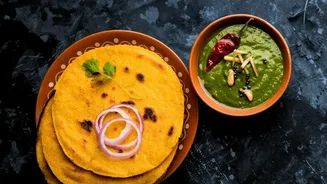
Polished white rice, a staple for generations, is now often being replaced by a variety of millets like ragi, jowar, and bajra. Once considered the food of rural India, these ancient grains are making a major comeback in urban kitchens. Prized for being nutrient-dense,
high in fibre, and gluten-free, millets help in maintaining stable blood sugar levels and promoting satiety. Their resurgence has been supported by a government push and their rebranding as climate-resilient superfoods.
2. Refined Sugar → Jaggery and Natural Sweeteners
The jar of white, refined sugar is increasingly making way for traditional and natural sweeteners. Jaggery (gur), raw honey, and date syrup are leading the charge. Consumers are drawn to jaggery for its unrefined nature, which retains minerals like iron and magnesium. While still a form of sugar, these alternatives are seen as more wholesome choices. Other options like stevia and monk fruit are also gaining ground among those seeking zero-calorie sweetness.
3. Potato Chips → Roasted Makhana
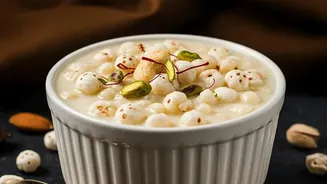
The go-to snack for satisfying a crunchy craving is changing. Instead of fried potato chips, many are reaching for roasted makhana (fox nuts). This traditional fasting food has transformed into an everyday, guilt-free snack. Low in calories but high in protein and essential minerals, makhana offers a satisfying crunch without the excess oil and sodium found in many packaged snacks. Available in a variety of flavours, they cater to modern tastes while retaining their health benefits.
4. Refined Vegetable Oils → Cold-Pressed Oils
The choice of cooking oil is becoming more deliberate. Highly processed refined oils are being swapped for cold-pressed varieties of coconut, groundnut, mustard, and sesame oil. The cold-pressing technique avoids high heat and chemical processing, which helps retain the oil's natural nutrients, flavour, and aroma. This shift is driven by health-conscious consumers, especially younger generations who value transparency and minimally-processed ingredients.
5. Dairy Milk → Plant-Based Milks
The dairy aisle looks different these days, with a growing presence of plant-based milks made from oats, almonds, and soy. This trend is fuelled by rising instances of lactose intolerance, ethical considerations, and general health awareness. While still a developing market in India, plant-based dairy has found a firm footing in urban households and cafes, with soy and almond milk leading in popularity.
6. White Bread → Sourdough and Multigrain Breads
The standard loaf of white bread is being replaced by artisanal options like sourdough and whole-grain varieties. Sourdough, in particular, is gaining popularity in cities due to its perceived health benefits, including better digestibility from the fermentation process. This move is part of a broader trend towards baked goods that are seen as more natural and wholesome, made with better-quality flours.
7. Instant Noodles → Millet Noodles
The quick, convenient bowl of instant noodles made from refined flour (maida) now has a healthier competitor: millet noodles. As consumers look for healthier versions of their favourite convenience foods, brands are offering alternatives made from ragi, jowar, and other ancient grains. This allows people to enjoy a quick meal without the associated blood sugar spikes and empty calories of traditional instant noodles.
8. Sugary Breakfast Cereals → Oats
Breakfast habits are also evolving. Many are ditching colourful, sugar-laden breakfast cereals for the simple versatility of oats. Oats have moved beyond just being a porridge base and are now used in savoury dishes, overnight oats, and pancakes. Their high fibre content provides sustained energy, making them a more nutritious start to the day compared to sugary alternatives.
9. Fried Namkeen → Roasted Chana and Seed Mixes
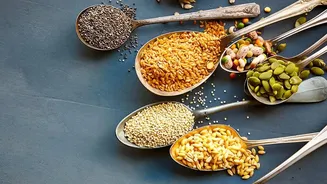
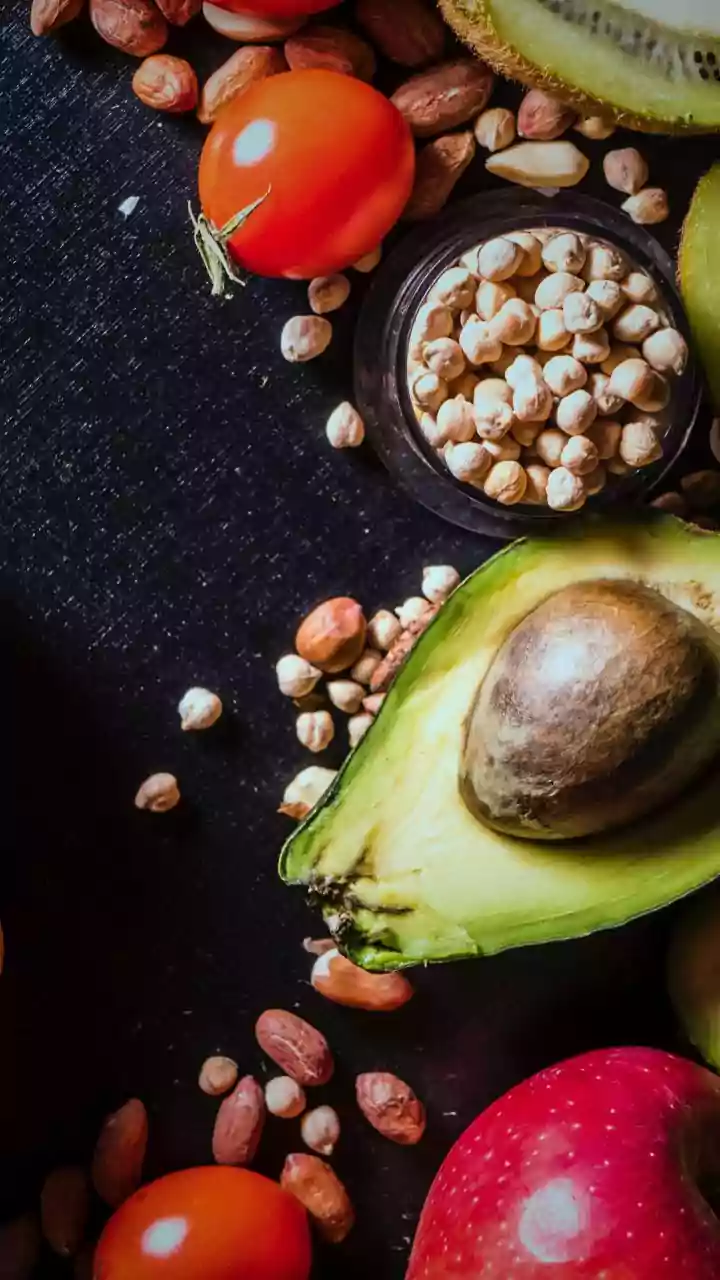
The traditional evening tea-time snack of fried namkeen is getting a healthy makeover. Many are now opting for roasted snacks like bhuna chana (roasted chickpeas), or mixes of nuts and seeds like pumpkin and sunflower. These options provide protein and fibre, offering a feeling of fullness without the unhealthy fats of their deep-fried counterparts.
10. Sugary Soft Drinks → Kombucha and Coconut Water
To quench their thirst, consumers are looking beyond sugary fizzy drinks. Gut-friendly beverages like kombucha are gaining traction, especially among younger, health-conscious demographics. There is also a renewed appreciation for natural hydrators like coconut water. This shift reflects a greater understanding of the impact of sugary drinks on health and a move towards beverages that offer functional benefits.