




Swap Heavy Curtains for Light Cotton
Thick, opulent fabrics like velvet and heavy polyester absorb ambient moisture, making them prone to mildew and musty smells during the rainy season. The simple solution is to switch to lightweight, breathable materials. Thin, woven cotton or sheer voile
curtains are ideal choices. They don't hold onto dampness, allow for better air circulation, and dry quickly, which is crucial when humidity levels are high. This simple swap can instantly make a room feel lighter, brighter, and fresher, combating the gloomy feeling of a grey, rainy day.
Embrace Airy Linen and Khadi
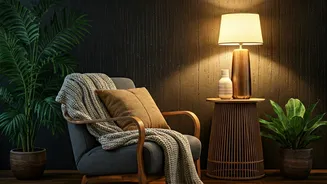
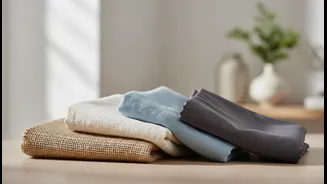
Linen is a champion fabric for humid weather. Made from flax, it naturally resists moisture buildup and dries quickly, preventing the stale odours that plague other textiles. Use linen for cushion covers, sofa throws, and even bedding. Its crisp texture adds a touch of breezy elegance that feels perfect for the season. Similarly, khadi, the hand-spun and handwoven cotton native to India, is incredibly breathable. It allows moisture to be absorbed and released quickly, making it another excellent choice for throws, light quilts, and cushion covers.
Incorporate Natural Fibres Like Jute and Rattan
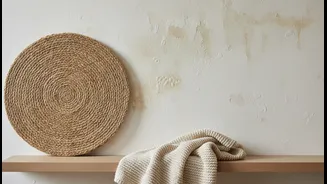
Natural fibres bring an earthy, grounding element to interiors, and many are well-suited to handle humidity. Jute, used in rugs and runners, is breathable and its coarse texture is great for high-traffic areas. However, it should be kept away from areas with direct water exposure as it can retain moisture if soaked. Rattan and cane furniture are excellent choices because their open-weave construction promotes airflow, preventing heat and moisture from getting trapped. While natural rattan is best used indoors or in covered spaces away from direct rain, modern PE (polyethylene) rattan is engineered to be water-resistant and is perfect for balconies and patios.
Consider High-Performance Synthetics
For furniture that sees a lot of use, especially in households with children or pets, performance fabrics are a game-changer. Materials like solution-dyed acrylics and polyester blends are engineered to be hydrophobic, meaning they repel moisture at the fibre level instead of absorbing it. Brands like Sunbrella and Crypton offer textiles that are not only resistant to water but also to stains, mildew, and fading. Once reserved for outdoor furniture, these fabrics now come in a wide variety of soft textures, including velvets and chenilles, making them a practical yet stylish choice for indoor sofas and chairs.
Rethink Your Floors and Walls
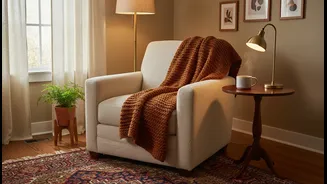
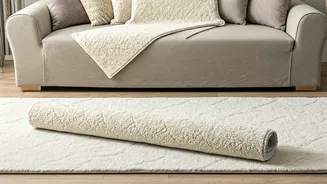
Heavy carpets are notorious for trapping moisture and can become a breeding ground for mould and mildew in the monsoon. It’s a good time to roll them up and store them in a dry place. Opt instead for lighter, washable cotton dhurries or jute rugs that are easier to clean and dry. For walls, especially those prone to dampness, consider using moisture-resistant paints or textured finishes. These create a protective barrier that helps prevent seepage and the unsightly appearance of damp patches, keeping your home looking and feeling clean.
Accessorise with Non-Porous Materials
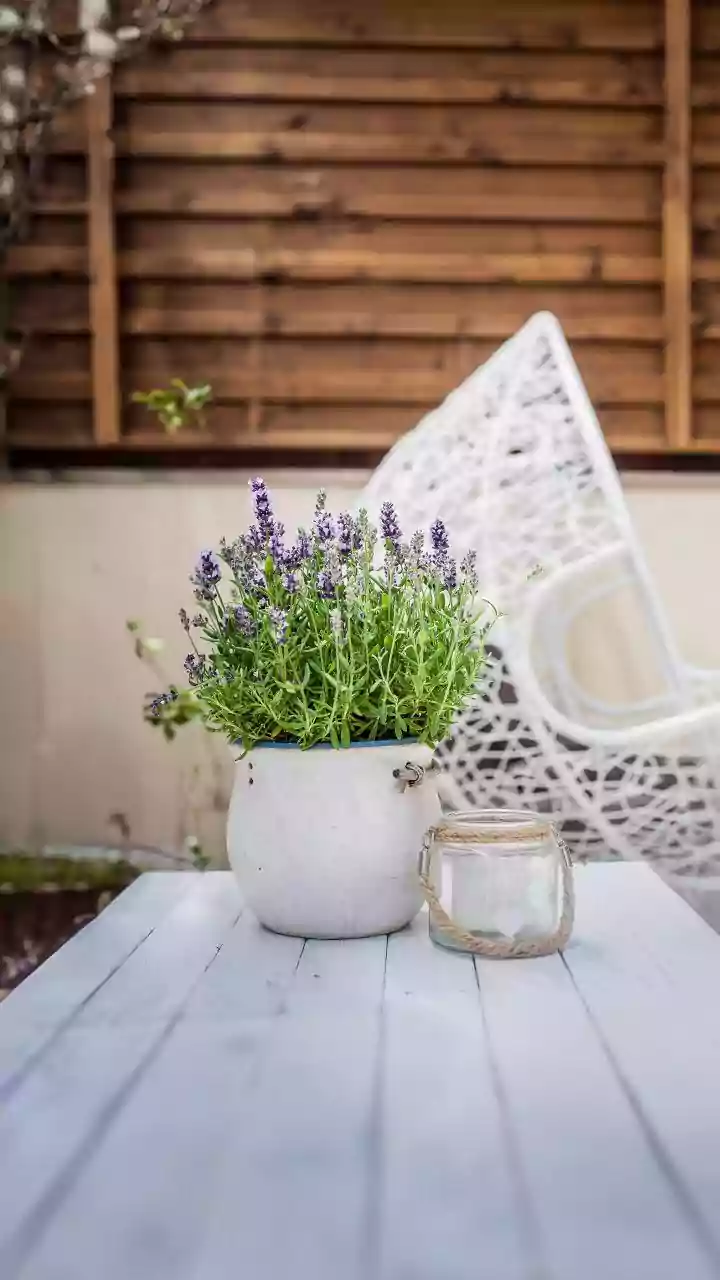
Finally, pay attention to your decorative accents. Soft, porous accessories can contribute to the overall feeling of dampness in a room. Swap out fabric-heavy decor for items made from glass, ceramic, terracotta, or metal. These materials don't absorb moisture and can be easily wiped clean. They add visual interest and texture without contributing to the humidity problem, helping to maintain a crisp and inviting atmosphere throughout the wet weeks.