




The Smoke Point Showdown
When you're searing, frying, or making a tadka, the temperature in your pan gets high. The smoke point of a fat is the temperature at which it stops shimmering and starts smoking, breaking down and creating harmful compounds. This is where ghee has a distinct
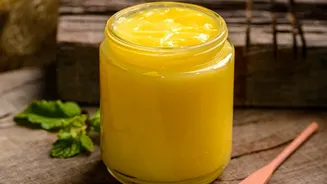
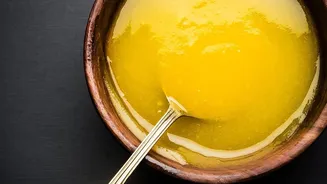
advantage. With a smoke point of around 250°C (482°F), it is incredibly stable for high-heat cooking. This means you can fry puris or temper spices without the fat degrading. Cold-pressed oils have a more varied reputation. While many assume they have low smoke points, it depends on the oil. Cold-pressed mustard oil, a staple in many Indian homes, also boasts a high smoke point near 250°C. However, other popular choices like cold-pressed coconut oil and sesame oil have lower smoke points around 177°C, making them better suited for sautéing at medium heat rather than deep frying.
A Deep Dive Into Nutrition
For decades, ghee was unfairly villainised for its saturated fat content. Today, we understand its nutritional profile is more complex. Ghee is a potent source of fat-soluble vitamins like A, D, E, and K, and contains butyric acid, a short-chain fatty acid that supports gut health. On the other hand, cold-pressed oils are celebrated for their unsaturated fats, including monounsaturated (MUFA) and polyunsaturated (PUFA) fats. The cold-pressing process helps retain antioxidants and nutrients that are often stripped away during the refining process. Cold-pressed mustard oil is a valuable source of omega-3 fatty acids, which are crucial for managing inflammation, while cold-pressed groundnut oil is rich in Vitamin E. The consensus among nutritionists is not to pick one over the other, but to use them in rotation to get a wide spectrum of nutrients.
The All-Important Flavour Profile
Beyond health, the choice of fat profoundly impacts the taste of a dish. Ghee offers a rich, nutty, and slightly caramelized flavour that is the soul of countless Indian preparations, from dal tadka and biryanis to laddoos and halwas. Infusing ghee with spices like cardamom, garlic, or herbs takes this a step further, creating a complex finishing fat that can elevate a simple dish. Cold-pressed oils, in contrast, carry the distinct flavour of their source. The sharp pungency of mustard oil is non-negotiable for authentic Bengali fish curries and North Indian pickles. The sweet, tropical aroma of coconut oil is the foundation of South Indian and coastal cuisines, while the nutty taste of groundnut oil is perfect for frying snacks like samosas and bhajis. Choosing between them is often a matter of honouring the traditional flavour profile of the recipe.
The Art of the Infusion
The term 'infused ghee' has gained traction, but it's a practice rooted in Ayurveda. Infusing ghee involves gently heating it with aromatic or medicinal herbs and spices, such as turmeric, garlic, rosemary, or brahmi. The primary goal is not to change its cooking properties like the smoke point, but to imbue the fat with the flavour and therapeutic qualities of the botanicals. According to Ayurvedic principles, ghee acts as an effective carrier (anupana), helping to deliver the benefits of herbs deeper into the body's tissues. For a home chef, an infused ghee can be a secret weapon. A spoonful of garlic-infused ghee can instantly upgrade a simple khichdi, while cardamom-infused ghee can add a delicate aroma to pancakes or kheer.
The Home Chef's Practical Verdict
So, what should the modern Indian home chef stock in their pantry? The answer is not a simple choice of one over the other, but a smart combination of both. For high-heat applications like deep frying, ghee and cold-pressed mustard oil are the safest and most effective choices. For everyday sabzis, dals, and light sautéing, the choice can be guided by the dish's regional origin and desired flavour—be it the neutrality of groundnut oil, the pungency of mustard oil, or the richness of ghee. Infused ghee serves a more specialised role as a finishing fat, adding a final layer of flavour. Ultimately, a versatile kitchen embraces the stability and rich tradition of ghee alongside the unique nutritional benefits and distinct flavours of a variety of cold-pressed oils.