

The Underrated Power of Kalonji
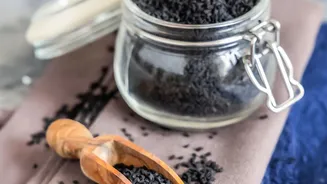
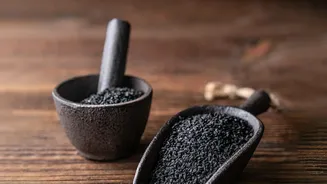
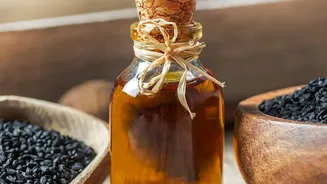
Known as kalonji in India, nigella seeds are a staple in Middle Eastern and South Asian cuisines. Often mistaken for black sesame or onion seeds, they have a unique flavour profile all their own. Raw, the seeds can be sharp, with a peppery, slightly bitter,
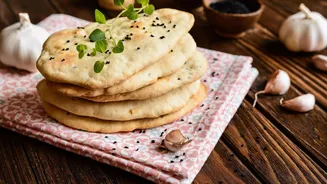
and onion-like taste. However, when treated with heat, this sharpness softens, giving way to a warmer, nuttier, and more complex aroma. While many are familiar with seeing them pressed onto the surface of flatbreads like naan or kulcha, their role is often perceived as purely decorative. This overlooks their ability to transform a loaf from the inside out.
Beyond a Simple Topping
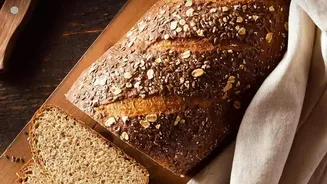
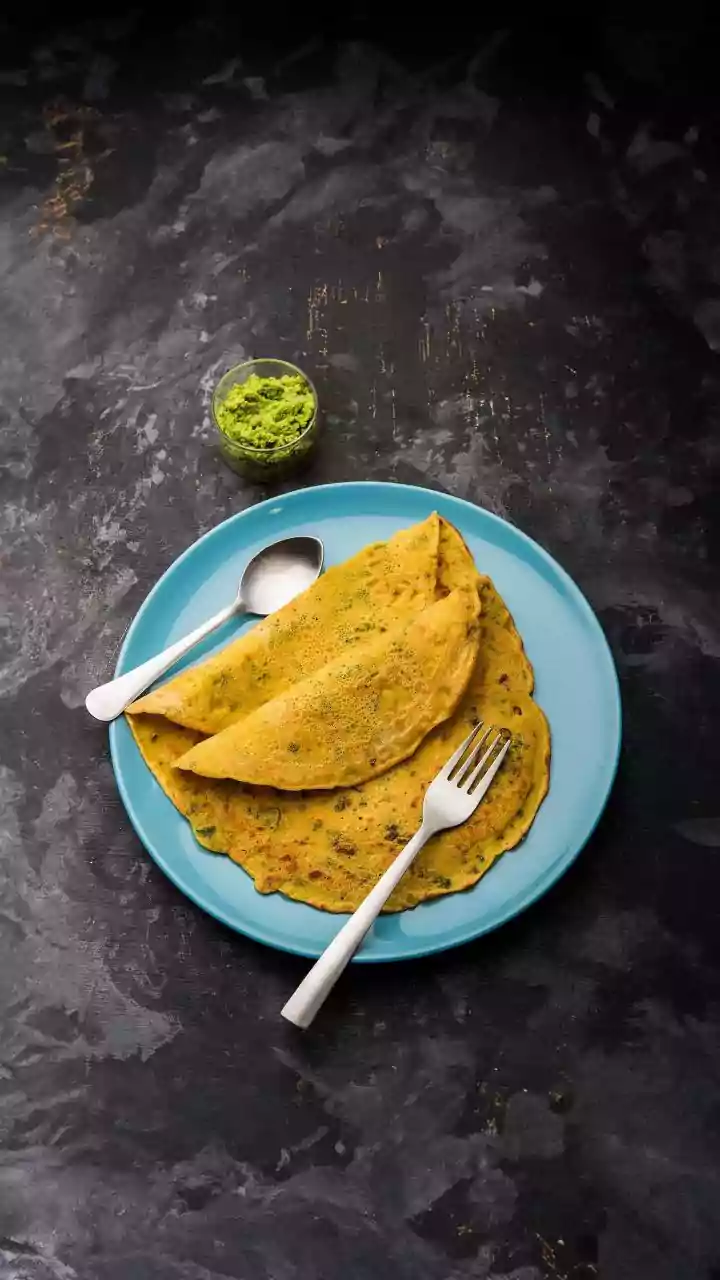
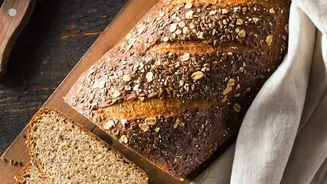
Sprinkling seeds over a loaf just before baking is the most common approach, but it has its limits. The flavour remains largely on the crust, offering a burst of taste in one bite and none in the next. The seeds can also fall off easily during baking or slicing, leaving you with a plain loaf and a seedy countertop. While this method adds texture and visual appeal, it creates a superficial flavour experience. The true magic happens when the seeds become an integral part of the dough itself, a technique used in many traditional recipes for flatbreads like kalonji paratha.
The Science of Kneading In
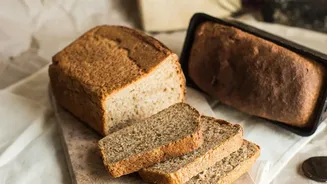
When you knead nigella seeds directly into your dough, you are doing more than just distributing them evenly. The mechanical action of kneading gently crushes the seeds, helping to release their essential oils. These aromatic oils then infuse the entire dough mass, carried by the moisture within the flour. Instead of a few crunchy, flavourful spots on the crust, every single bite of the finished bread carries the nutty, peppery notes of the kalonji. The flavour becomes deeper, more aromatic, and seamlessly integrated throughout the crumb.
A Practical Guide to Infusion
Incorporating seeds is simple, but timing is important. For many doughs, especially those requiring significant gluten development like sourdough, it's best to add the seeds during the final stages of kneading or during an early stretch-and-fold. Adding them too early can sometimes interfere with gluten formation. A good starting point is about one to two tablespoons of seeds per standard loaf. For an even more profound flavour, you can lightly toast the seeds in a dry pan for about 30 to 60 seconds before adding them. Wait until they become fragrant and start to pop, then remove them from the heat immediately to prevent scorching, which can create a harsh bitterness.
The Perfect Breads for This Method
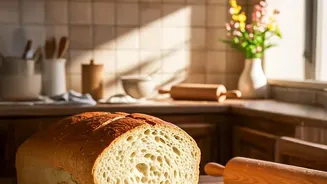
While this technique is famous for its use in Indian flatbreads, its application is incredibly versatile. It works beautifully in rustic, crusty loaves where the earthy flavour of the seeds can complement the tang of a sourdough or the simplicity of a white loaf. Try kneading them into focaccia dough before it proofs, allowing the dimples to trap the fragrant oils. They are also a fantastic addition to savoury scones, buns, and crackers, providing a consistent flavour that a simple topping cannot match. Experimenting is key; the subtle complexity of nigella seeds pairs well with a surprisingly wide array of baked goods.