


Meet the ‘Burnt’ Cheesecake
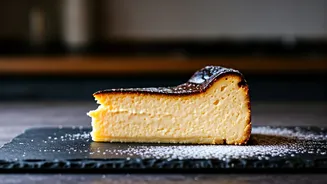
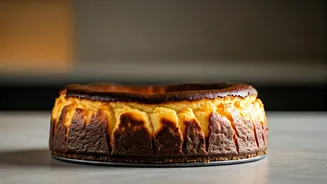
At first glance, it defies everything we know about cheesecake. There’s no crumbly biscuit base. Its top is a dark, almost-burnt mahogany. And its sides are crinkled and imperfect from the parchment paper it was baked in. This is the Basque cheesecake,
and its charm lies in its rustic, unpretentious appearance. Unlike its dense and polished cousin, the New York cheesecake, the Basque version is intentionally baked at a very high temperature. This process creates a deeply caramelised, protective outer layer while leaving the inside incredibly soft, light, and custardy—a textural marvel that melts in your mouth.
From a Spanish Bar to Global Fame
This dessert isn't a new invention; it's a classic with a cult following. Its story begins in the 1990s at a humble pintxos bar called La Viña in San Sebastián, a city in Spain's Basque Country renowned for its culinary scene. The original 'tarta de queso' was famous among locals for its simple ingredient list—cream cheese, heavy cream, sugar, eggs, and flour—and its revolutionary high-heat baking method. For decades, it remained a local secret. But in the age of social media and global food blogs, secrets like this don't last. Food writers and travelling chefs discovered it, recreated it, and broadcast its unique beauty to the world, sparking a global obsession that has now firmly taken root in India.
The Appeal of Perfect Imperfection
So, why has this specific dessert captured the imagination of Indian bakers and cafe-goers now? Part of the answer lies in its aesthetic. In a world of perfectly filtered Instagram feeds, the Basque cheesecake’s rugged, ‘perfectly imperfect’ look stands out. Its dark, dramatic top and gooey centre make for a compelling photo, signalling a move towards more authentic and less fussy food. Furthermore, its relatively simple recipe made it a breakout star during the pandemic baking boom. Home bakers found it more forgiving than other complex French pastries, allowing them to create a restaurant-quality dessert with a wonderfully rustic outcome.
A Revolution in Flavour and Texture
The appeal goes far beyond looks. The Basque cheesecake offers a complex flavour profile that resonates with a modern palate. The high-heat baking process triggers the Maillard reaction and caramelisation, giving the crust a slightly bitter, toffee-like note that beautifully balances the rich, tangy, and not-too-sweet creaminess of the interior. It’s lighter and less cloying than many traditional cheesecakes, making it feel like a more sophisticated, grown-up treat. This complexity has made it a favourite, appealing to diners looking for desserts that offer more than just a sugar rush.
Finding Its Place on Indian Menus
Across Mumbai, Delhi, Bengaluru, and beyond, pastry chefs have embraced the Basque cheesecake, making it a staple on their menus. While the classic version reigns supreme, we're also seeing creative Indian-inspired adaptations. Think Basque cheesecakes infused with saffron and cardamom, drizzled with jaggery caramel, or even incorporating the flavour of filter coffee. These local twists show that the trend isn't just being copied; it's being adapted and integrated into the Indian culinary landscape. It has proven to be a versatile canvas, satisfying both purists and those seeking a familiar, local flavour in a new format.