
The Flavour Showdown
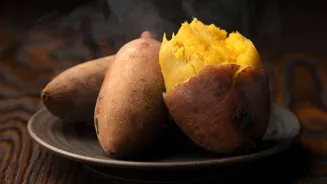
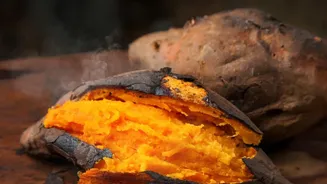
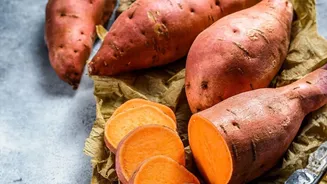
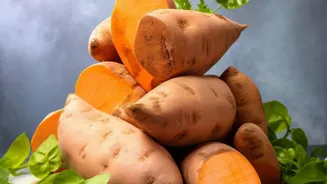
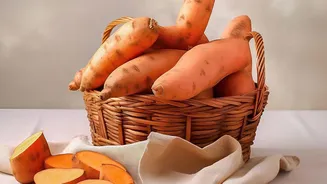
At first glance, both offer a comforting sweetness, especially when roasted. But the sweet potato is unequivocally the sweeter of the two. Its flavour is pronounced, starchy, and becomes deeply caramelised when cooked. Butternut squash, while also sweet,
offers a more complex and milder flavour profile. It has a distinctly nutty undertone that balances its sweetness, making it taste less like a dessert ingredient and more like a savoury vegetable. While a sweet potato’s taste is direct and sugary, a butternut squash is more subtle and earthy.
Texture: Creamy and Starchy vs. Silky and Smooth
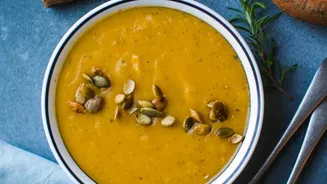
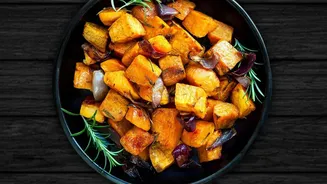
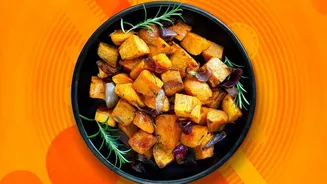
Texture is where these two kitchen workhorses really diverge. A sweet potato is a dense, starchy root vegetable. When cooked, its texture is thick and creamy, similar to a regular potato but softer. This density allows it to hold its shape well when cubed for roasting and makes it ideal for creating hearty, thick mashes or fries. Butternut squash, on the other hand, is a fruit with higher water content. This makes its cooked texture lighter and more fibrous. It breaks down more easily, which is why it excels in creating silky, smooth soups and purées where a sweet potato might become too thick or heavy.
A Nutritional Snapshot
Both sweet potatoes and butternut squash are packed with nutrients, but they differ in notable ways. If you're watching your calorie and carbohydrate intake, butternut squash is the clear winner, with roughly half the calories and carbs of a sweet potato for the same serving size. Butternut squash also contains significantly less sugar. However, sweet potatoes fight back with more protein and are often higher in certain nutrients like vitamin A, potassium, and fiber, making them more satiating. Ultimately, neither is 'healthier' overall; the better choice depends on your specific dietary goals.
Best in the Kitchen: When to Use Which
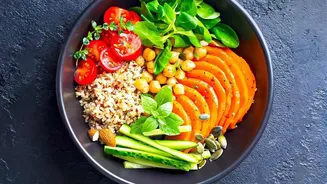
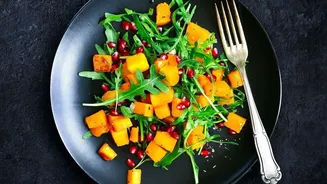
Choosing the right one for your dish is simple once you know their strengths. Reach for a sweet potato when you want a substantial, sweet, and starchy element that holds its shape. It's the star in dishes like roasted wedges, loaded baked sweet potatoes, hearty casseroles, and homemade fries. Its pronounced sweetness also makes it a natural fit for pies and other baked goods. Opt for butternut squash when you desire a lighter, silkier texture and a more delicate, nutty sweetness. It is the champion of blended soups, creamy risottos, and pasta sauces. Its ability to become incredibly tender makes it perfect for purées or as roasted cubes tossed into salads where you don't want an overwhelmingly starchy component.
The Preparation Factor
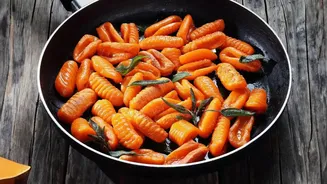
From a practical standpoint, there's a difference in prep work. Sweet potatoes are straightforward: a quick scrub and they can be cooked with the skin on, or easily peeled with a standard vegetable peeler. Butternut squash, with its tough, pale skin and bell shape, can be more intimidating. Peeling it requires a sharp, sturdy peeler or a knife, and you have to scoop out the seeds from the bottom bulb. While this extra step might seem like a hassle, many grocery stores now offer pre-cut butternut squash cubes, making it just as convenient as its root vegetable rival.