




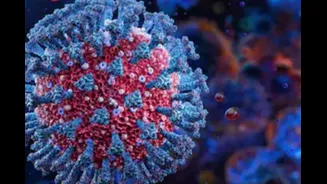

What is the PJ.2.1 Variant?
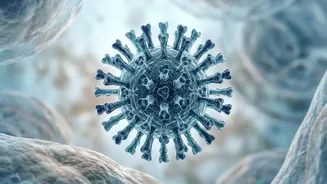
PJ.2.1 is a descendant of the JN.1 lineage, which itself is part of the wider Omicron family of SARS-CoV-2. Scientists have labelled it a 'saltation variant', which means it appeared with a large number of new genetic changes all at once, rather than
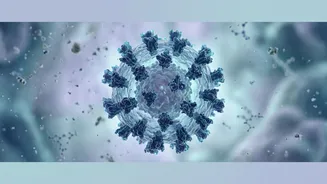
evolving slowly over time. Many of these changes—over 25 of them—are on the virus's spike protein, the tool it uses to enter human cells. This has drawn scientific interest because mutations in the spike protein can potentially alter how the virus behaves. Despite its many mutations, the World Health Organization (WHO) has not yet classified PJ.2.1 as a Variant of Interest or a Variant of Concern. For now, it is one of many variants that global health bodies are monitoring.
Where Has It Been Detected?
Since it was first identified from a sample in Ontario, Canada, in May 2026, PJ.2.1 has shown a rapid intercontinental spread. It was detected in the United States by the end of June, starting in New York City and later appearing in states like California, Florida, and Colorado. The variant has also been confirmed in several other countries, including Australia, Singapore, Spain, France, New Zealand, and Israel. While there is currently no official confirmation that PJ.2.1 has been detected in India, experts are calling for strengthened genomic surveillance to track its potential arrival and circulation. Bodies like the Indian SARS-CoV-2 Genomics Consortium (INSACOG) are responsible for monitoring genetic changes in the virus across the country.
Is It More Dangerous?
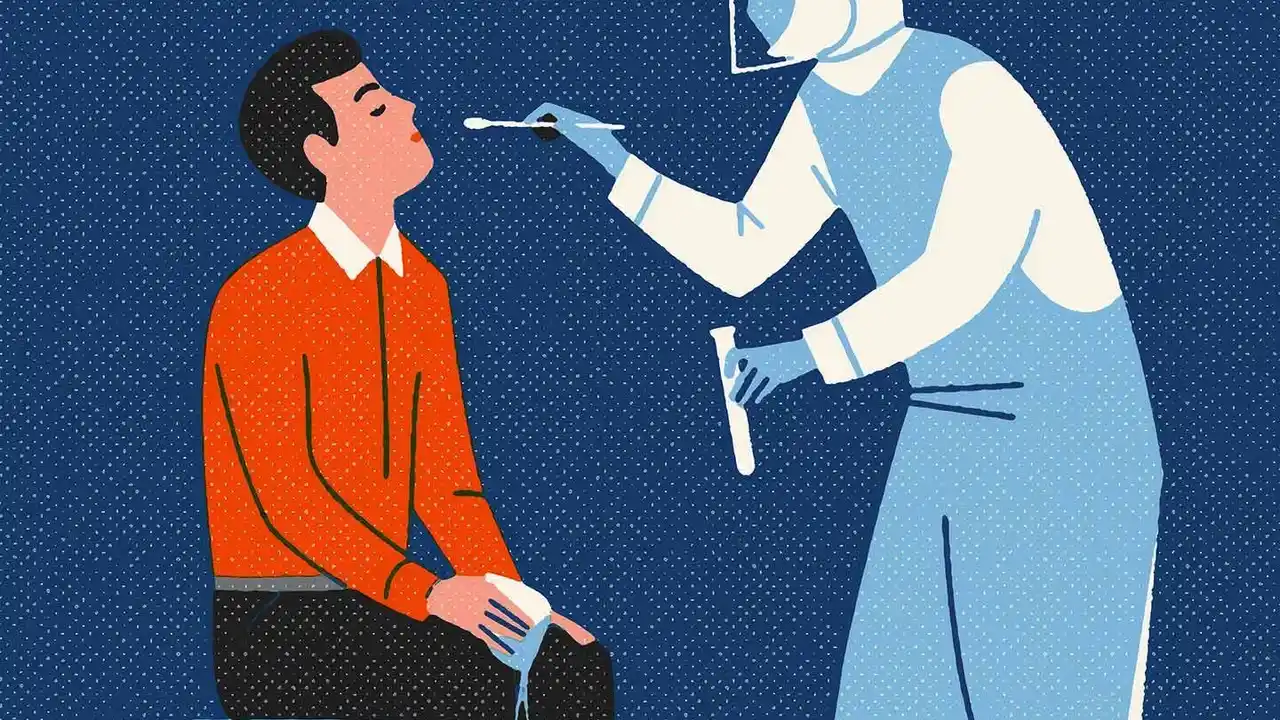
This is the most critical question, and the current answer is reassuring. As of now, there is no evidence to suggest that PJ.2.1 causes more severe disease, higher rates of hospitalisation, or increased mortality compared to other circulating variants. Laboratory studies have found that its mutated spike protein may bind more effectively to the ACE2 receptor, a doorway into human cells. While this could theoretically help it spread, it does not automatically translate to more severe illness in people. The WHO has cautioned that the symptoms associated with PJ.2.1 are very similar to those of the common cold and flu, including fever, sore throat, cough, headache, and fatigue. This makes it impossible to identify the variant based on symptoms alone; only a diagnostic test can confirm a COVID-19 infection.
Do Vaccines Still Offer Protection?
Early findings on immune evasion are also guardedly optimistic. Laboratory research published in the Journal of Infection in October 2026 indicated that PJ.2.1 does not appear to be significantly better at evading antibodies generated by updated vaccines compared to other variants. One study noted that its sensitivity to antibodies from an adapted vaccine was comparable to, or even better than, that of other variants tested. While this is encouraging, it's important to remember that these are lab findings. Real-world data is still needed to fully understand vaccine effectiveness against PJ.2.1. However, the initial signs suggest that existing immunity from vaccination and prior infection continues to provide a crucial line of defence against severe outcomes.
What Should Indians Do?
Indian health experts have advised against panic, urging a focus on caution and preparedness instead. The emergence of PJ.2.1 serves as a reminder that COVID-19 has not disappeared. With the festive season and winter approaching, increased travel and social gatherings can create more opportunities for respiratory viruses to spread. Experts recommend that high-risk individuals—such as the elderly, those with underlying health conditions like diabetes or heart disease, and people with weakened immune systems—should be particularly careful. Basic precautions remain relevant: wear a mask in crowded indoor spaces, practice good hand hygiene, and isolate if you develop symptoms. If symptoms like fever, persistent cough, or breathing difficulty arise, it is wise to consult a doctor.