






In India, the love for gold is a timeless affair, a tradition woven into the fabric of our culture. But in an age of digital convenience, a new choice has emerged: physical, handcrafted jewellery versus intangible digital gold. Which one truly holds value?
The Enduring Allure of Tangible Gold
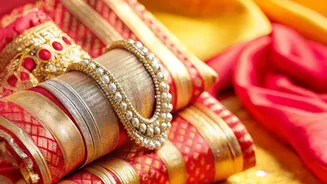
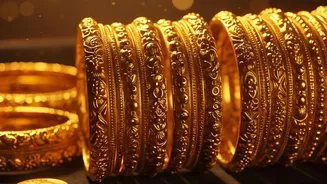
For millennia, gold has been more than just a precious metal in India; it's a symbol of prosperity, purity, and divine blessings. It is considered auspicious and plays a central role in festivals like Dhanteras and Akshaya Tritiya, and is an essential part of weddings, signifying security and good fortune for the bride. This deep-rooted cultural and spiritual significance is something you can feel when you hold a piece of gold jewellery. It’s not just an asset but a family legacy, with pieces passed down through generations, each carrying emotional weight and stories. This tangible connection, the ability to see, touch, and wear your wealth, is a powerful form of security that resonates deeply within Indian households.
The Rise of the Digital Contender
Digital gold has emerged as a modern, convenient alternative, allowing people to invest in 24K gold online with amounts as low as one rupee. Platforms like MMTC-PAMP and SafeGold offer the ability to buy, sell, and accumulate gold without the hassles of physical storage or the risk of theft. For many young, tech-savvy investors, this is an appealing proposition. It eliminates making charges, which can range from 8% to 25% for jewellery, and offers high liquidity, as you can sell it instantly online. The gold is supposedly stored in secure, insured vaults, giving a sense of modern security to an age-old investment.
A Question of Trust: Code vs. Craft
Herein lies the critical difference. The security of physical gold lies in its possession. You hold it, you control it. The primary risk is physical theft, which can be mitigated with lockers. The security of digital gold, however, relies on trust in a third-party platform. A significant concern is that the digital gold market in India is not directly regulated by bodies like SEBI or the RBI. In November 2025, SEBI issued a warning about these unregulated products, highlighting risks such as the lack of verification for the physical gold backing, platform failures, and no official grievance redressal mechanism. Investors are essentially trusting the platform's integrity without the safety net of regulatory oversight, a stark contrast to the tangible certainty of a gold bangle in hand.
The Irreplaceable Prestige of Craftsmanship
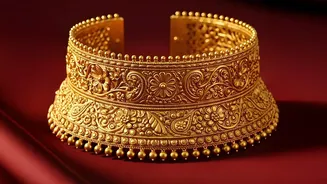
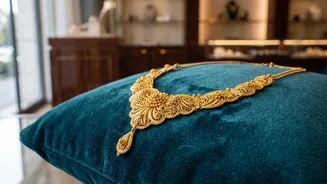
The headline's mention of 'craft' is crucial. The prestige of gold jewellery comes not just from its material value, but from its artistry. Indian goldsmiths are renowned for their intricate craftsmanship, with techniques like Kundan, Meenakari, and temple jewellery design being celebrated forms of art. A handcrafted necklace is not a commodity; it's a unique piece of wearable art that signifies status, taste, and identity. This artistic and human element adds a layer of prestige that a digital certificate, representing a fraction of a gold bar in a vault, simply cannot replicate. The value is in the design and the skill of the artisan, which often makes a piece more than the sum of its parts.
Can You Pass Down Pixels as Heirlooms?
Perhaps the most profound difference is the role of gold as an heirloom. A grandmother's necklace or a father's ring carries immense sentimental value, connecting generations through a shared, tangible object. This emotional resonance is a cornerstone of its prestige. Can a digital account, no matter how secure, be passed down with the same love and ceremony? While digital gold is a practical tool for investment and accumulation, it struggles to fulfill this deeply human need for connection and legacy. The act of gifting gold is a blessing, a transfer of love and security that feels fundamentally different when it's a physical object versus a line of code in an app.