






The Festival: Indie Beats in a Heritage Valley
Held in the stunning Apatani cultural landscape of Arunachal Pradesh, the Ziro Festival of Music is a celebrated four-day event showcasing a vibrant mix of independent artists. The 2026 edition, scheduled from September 24th to 27th, continues this tradition,
featuring over 40 artists from across India and the globe. Unlike mainstream festivals, Ziro is known for its eco-conscious ethos, with stages built from local bamboo, and a deep connection to the Apatani community. It’s an intimate gathering where music lovers, artists, and travellers converge against a backdrop of golden paddy fields. The vibe is relaxed, the focus is on discovery, and the experience is as much about the culture and landscape as it is about the music.
The Work Setup: Getting Connected in the Hills
The biggest question for any digital nomad is connectivity. While Ziro was once an internet-dark zone, recent years have seen significant improvements. Most homestays, hotels, and cafes in the main areas now offer Wi-Fi, which is generally sufficient for emails and standard work tasks. However, it's wise to set realistic expectations. Heavy data usage or seamless video calls might be challenging, especially when thousands of festival-goers strain the local networks. Mobile connectivity from providers like Jio and Airtel has also become more reliable in and around Ziro town. For a successful workation, securing accommodation with confirmed Wi-Fi is key, and bringing a power bank is non-negotiable as charging points can be limited, especially at campsites.
Your Basecamp: Choosing the Right Accommodation
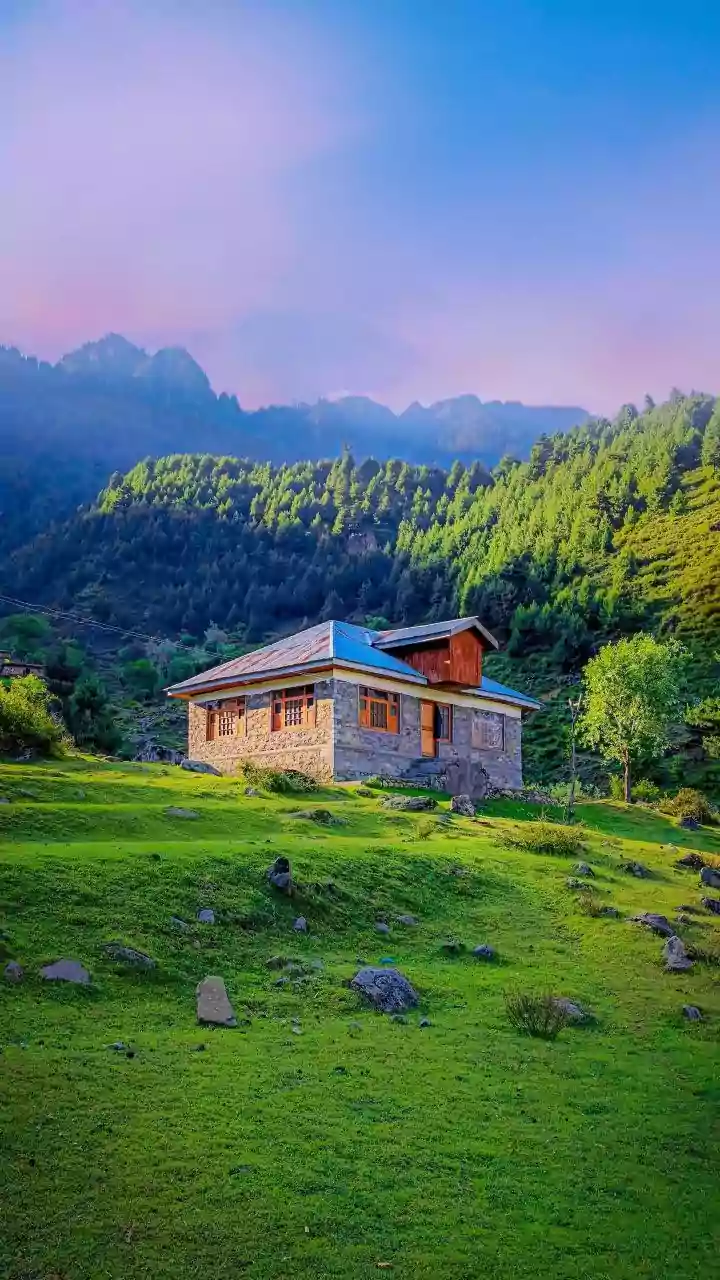
Where you stay will define your work-life balance. Ziro offers two main options: campsites and homestays. Campsites, often located near the festival grounds, immerse you in the event's social atmosphere but come with basic amenities like shared portable toilets and can get cold at night. For a workation, a homestay is often the more practical choice. Located in villages like Hari or Hong, homestays provide a comfortable bed, home-cooked meals, and a quieter environment to focus. Many now explicitly cater to remote workers, advertising Wi-Fi and desk-friendly spaces. Booking is crucial. With the festival's popularity, accommodations fill up months in advance, so plan ahead to secure a spot that meets your work needs.
The Paperwork: Securing Your Inner Line Permit
Entry into Arunachal Pradesh is regulated for all non-residents. Indian citizens require an Inner Line Permit (ILP), while foreign nationals need a Protected Area Permit (PAP). The good news is that obtaining an ILP is now a streamlined online process. You can apply through the official government portal by uploading a valid ID and a passport-sized photograph. The cost is minimal, and approvals are often granted quickly. It is mandatory to carry multiple printed copies of your ILP, as you will be required to present them at various checkpoints upon entering the state. Do not rely on digital copies, as mobile connectivity can be unreliable at entry gates.
Balancing Beats and Bandwidth: A Daily Plan
A successful workation at Ziro is all about structure. The festival grounds typically come alive in the early afternoon, leaving mornings free for work. A productive schedule involves dedicating the morning hours, from roughly 8 AM to 2 PM, to your job. This is when the valley is quietest and internet bandwidth is likely at its most stable. After wrapping up your work, you can head to the festival grounds to catch the evening performances, explore the food stalls, and soak in the atmosphere. Pack your work essentials—laptop, chargers, and a universal power strip—but also your festival gear. Gumboots are a must, as the grounds can get muddy with rain. A waterproof jacket and warm layers are also essential, as temperatures drop significantly after sunset.