
What Is Pododermatitis?
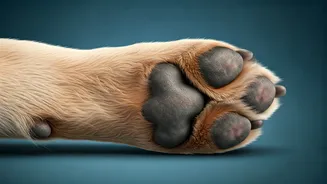
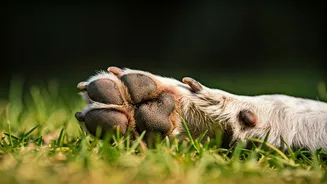
Pododermatitis is not a specific disease, but rather a general term for inflammation of the skin on the paws. It can affect the paw pads, the skin between the toes, the nail folds, and even the nails themselves. The condition can be frustrating for pets
and owners, as it can be painful and prone to recurring. While any dog can develop it, some breeds with certain paw conformations may be more susceptible. The inflammation itself is often a sign of a deeper issue, ranging from infections to allergies.
The Rainy Season Connection
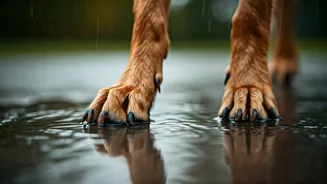
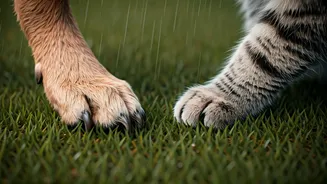
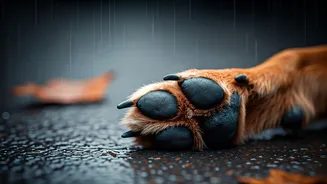
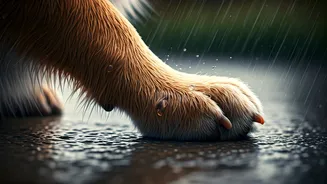
July, particularly a rainy one, creates the perfect storm for paw problems. Constant moisture is a major culprit. When paws are frequently wet from walking on damp ground or through puddles, the skin softens, making it more vulnerable to injury and infection. This damp, warm environment between the toes is an ideal breeding ground for bacteria and fungi, such as yeast, which are common causes of pododermatitis. Puddles and mud can also hide sharp objects or irritants that can cause small cuts, allowing infections to take hold.
Spotting the Warning Signs
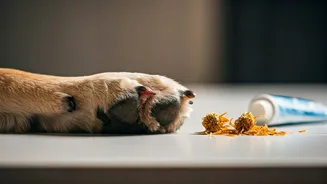
The most obvious sign of pododermatitis is a pet constantly licking or chewing at its paws. This is a direct response to itching and discomfort. Upon closer inspection, you might notice other symptoms. Look for redness, swelling, and inflammation, particularly in the webbing between the toes. You may also see hair loss, nodules or bumps, sores, or a foul-smelling discharge. In light-coloured dogs, reddish-brown fur staining on the paws from saliva is another common sign. If the condition is painful, your dog may start limping or be reluctant to walk.
Beyond the Rain: Other Causes
While moisture is a key factor during the monsoon, pododermatitis can have many underlying causes that may be aggravated by the weather. Allergies are a very common trigger, whether to food or environmental allergens like pollen and dust mites. Parasitic infections, such as those from Demodex mites, can also be the root cause. In some cases, a foreign body like a thorn or a grass seed might be lodged in the paw. Other potential causes include autoimmune diseases, hormonal imbalances, and even certain types of tumors, although these are less common.
Prevention Is the Best Medicine
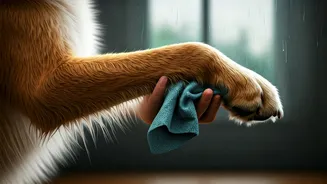
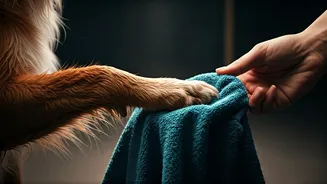
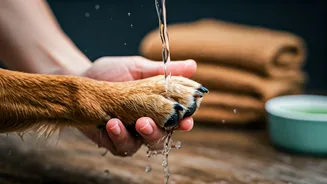
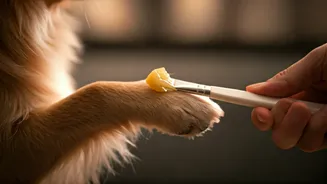
Proactive paw care is essential during rainy months. The most important step is to keep your pet's paws as clean and dry as possible. After every walk, thoroughly wash and dry their paws, paying close attention to the area between the toes. Keeping the hair around the paw pads trimmed can help prevent moisture from getting trapped. For extra protection, consider using dog booties on wet walks. Regularly inspecting your dog's paws for any cuts, redness, or swelling allows you to catch problems early before they become severe.
When to See the Veterinarian
While minor irritation can sometimes be managed at home, persistent or worsening symptoms require a trip to the vet. If your dog is in pain, limping, or if the paws have open sores or a bad odour, it's time to seek professional help. A veterinarian will perform a thorough examination to diagnose the underlying cause, which may involve skin scrapings, cytology, or other tests. Treatment depends on the cause and may include topical medicated wipes, oral antibiotics or antifungals for infections, or allergy management. Since pododermatitis can be complex, proper diagnosis is key to effective treatment and preventing recurrence.