





The Weight of Cultural Ambassadorship
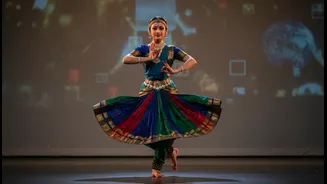
For many young dancers growing up outside India, learning a classical form like Bharatanatyam or Kathak is a primary connection to their heritage. Parents often enrol their children in dance schools to preserve cultural identity and pass down language,
values, and mythology. This places a significant weight on these young performers. They are not just learning an art form; they are often seen as custodians of a tradition and cultural ambassadors within their multicultural communities. This pressure can foster a deep sense of responsibility to maintain the authenticity and discipline of the dance form, ensuring its core techniques and spiritual essence are preserved. Many feel a heightened appreciation for their cultural heritage precisely because they are living away from its source.
From Devotion to Dialogue
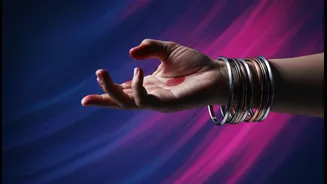
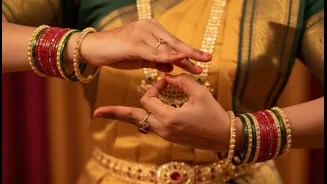
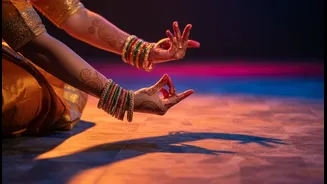
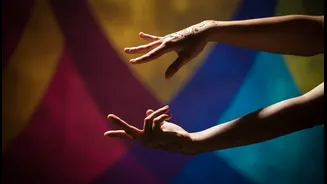
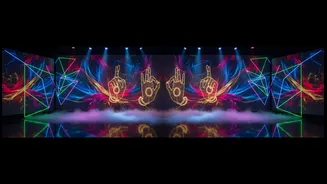
Historically rooted in temple rituals and devotional storytelling, Indian classical dance abroad is often presented in secular, ticketed venues to diverse audiences. This shift in context fundamentally alters how the art is framed. While the spiritual core remains, performers must also create connections with viewers who may not be familiar with Hindu mythology or the specific cultural narratives behind the pieces. This encourages young dancers to explore thematic work, focusing on universal emotions and contemporary stories. The emphasis moves from pure devotion to a dialogue with the audience, using the dance's expressive vocabulary, including hand gestures (mudras) and facial expressions (abhinaya), to tell stories that resonate across cultural backgrounds.
A Crucible for Innovation and Fusion
Geographic distance from India creates space for what some academics call "introspection and divergent evolution." Exposed to different art forms, social norms, and aesthetic sensibilities, young diaspora dancers are uniquely positioned to innovate. This isn't about diluting the tradition but expanding its vocabulary. Some artists experiment with fusion, blending the rigorous framework of a classical form with contemporary dance or other styles, as seen with celebrated artists like Akram Khan, who fuses Kathak with modern dance. These explorations allow dancers to tackle contemporary themes like identity, social justice, and mental health, making an ancient art form a vehicle for expressing their lived realities as hybrids of multiple cultures.
The Rise of the Digital Parampara
The traditional guru-shishya parampara (teacher-student lineage) is also being transformed by technology. Digital platforms like YouTube, Instagram, and Zoom have become crucial tools for learning and dissemination. Aspiring dancers can now learn from renowned gurus in India through online classes, overcoming geographical barriers. Social media has also created a global stage, allowing artists to bypass traditional gatekeepers, build communities, and reach new audiences. This digital ecosystem allows for unprecedented visibility and cultural exchange, though it also raises questions about the potential for oversimplification and commodification when an intricate art form is adapted for short-form content.