







The Right Wardrobe for Wet Weather
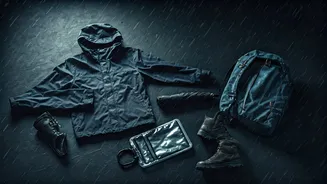
The foundation of enjoyable monsoon travel is staying comfortable, and that starts with your clothing. Heavy fabrics like denim are a mistake; they get soaked easily and take ages to dry. Instead, the focus should be on lightweight, synthetic, and quick-drying
clothes. Fabrics such as polyester and nylon are ideal because they don't hold onto moisture. Packing a few extra sets of clothes in a waterproof bag is a non-negotiable strategy to ensure you always have something dry to change into. Footwear is equally critical. Good-quality waterproof shoes or sandals with a strong grip are essential for navigating slippery, uneven surfaces. Forgetting them often leads to an uncomfortable trip and buying a new pair midway.
Gear Up: Waterproofing Your Essentials
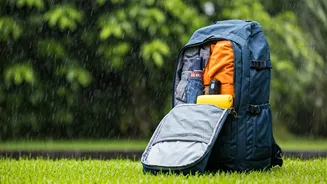
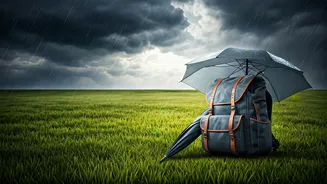
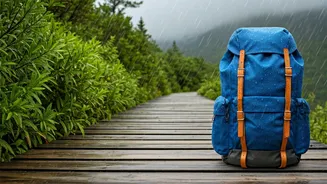
In today's world, protecting your electronics is as important as protecting yourself. A sudden downpour can be a disaster for phones, cameras, and laptops. The solution is multi-layered. A high-quality waterproof backpack or at least a reliable rain cover for your existing bag is the first line of defence. For smaller gadgets, documents, and wallets, waterproof pouches or even simple zip-lock bags can be lifesavers. Many seasoned travellers swear by dry bags, which are designed to be fully submersible and offer the best possible protection for expensive electronics and important papers like your passport. A portable power bank is another must-have, as power outages can be more frequent during the monsoon season.
Navigating the Roads Safely
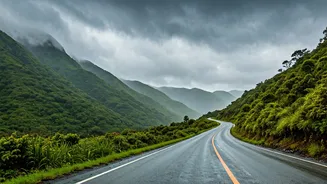
Driving during the monsoon requires a completely different level of awareness. Roads become slippery, and visibility can drop to near zero in an instant. Before you even start your journey, a pre-monsoon check for your vehicle is crucial. Ensure your tyres have adequate tread, your brakes are in top condition, and your windscreen wipers are not worn out. Once on the road, reduce your speed significantly and double the safe following distance you’d normally keep in dry conditions. Using your low-beam headlights, even during the day, makes you more visible to other drivers. One of the biggest dangers is waterlogged roads. If you're unsure about the depth of a flooded patch, it is always safer to find an alternative route than to risk it.
Health and Hygiene on the Go
The rainy season can bring a host of health concerns, from common colds to water-borne diseases and mosquito-borne illnesses like dengue and malaria. Carrying a well-stocked first-aid kit is essential. It should include basics like antiseptic wipes, band-aids, pain relievers, and any personal medications. Mosquitoes are rampant during this time, so a good insect repellent is a must. Food and water safety are paramount. Avoid street food that has been left in the open and drink only bottled, boiled, or purified water to prevent stomach infections. If you get drenched, taking a shower as soon as you get back to your accommodation can help prevent fungal infections and colds.
Choosing Your Monsoon Destination
Part of rain-safe travel is choosing a destination that thrives in the monsoon. While some regions are prone to landslides and heavy flooding, others are at their most beautiful. Places in the Western Ghats like Coorg, Munnar, and Mahabaleshwar become spectacularly lush and are filled with roaring waterfalls. Destinations like Goa offer a quieter, more relaxed atmosphere with lower prices and fewer crowds. Conversely, some areas like Ladakh and Spiti Valley lie in a rain-shadow region, meaning they stay mostly dry while the rest of the country experiences heavy rainfall, making them an excellent alternative for those who want to avoid the wet weather altogether. Always check weather forecasts and local conditions before and during your trip.