








Why We Feel Different in Monsoon
According to Ayurveda, the monsoon season, or *Varsha Ritu*, brings significant changes to our environment that directly impact our bodies. The damp, cool atmosphere is believed to aggravate the *Vata dosha* (the energy associated with air and space),
which can lead to issues like joint pain, bloating, and indigestion. More importantly, Ayurveda teaches that our digestive fire, or *agni*, is naturally at its weakest during this time. A weak *agni* means our body struggles to digest food properly, leading to the accumulation of *ama* (toxins), which manifests as that familiar feeling of heaviness, low energy, and a weakened immune system. This is the core reason why our grandmothers instinctively switched up the family menu when the rains began.
It's Not 'Detox,' It's Digestive Reset
The modern idea of a 'detox' often involves extreme measures like juice fasts or restrictive diets. The Indian kitchen approach is far gentler and more sustainable. The goal isn't to shock the system but to support it. The focus is on rekindling that weakened digestive fire (*agni*) and preventing the build-up of toxins in the first place. Instead of deprivation, it’s about choosing foods and cooking methods that are easy on the gut. This traditional 'detox' is a nourishing reset, designed to help your body function optimally during a challenging season. It’s about working with your body’s natural rhythm, not against it.
The Power of the Masala Dabba
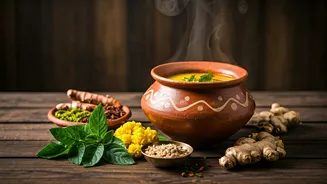
Your spice box is your best friend during the monsoon. Spices aren't just for flavour; they are potent digestive aids and immunity boosters. Ginger (*adrak*) is phenomenal for firing up digestion and soothing sore throats. Turmeric (*haldi*), with its anti-inflammatory and antiseptic properties, becomes even more crucial. A pinch of black pepper (*kali mirch*) not only adds heat but also enhances the bioavailability of turmeric. Cumin (*jeera*) and carom seeds (*ajwain*) are excellent for preventing and relieving gas and bloating. Even a simple *tadka* of these spices in your dal or sabzi is a mini-detox in itself, helping your body process food more efficiently.
Eat Light, Warm, and Well-Cooked
Monsoon diet wisdom is all about digestibility. This is why heavy, fried, and oily foods are traditionally avoided. They are simply too hard for a weakened digestive system to handle. Instead, the focus shifts to light, warm, and freshly cooked meals. Think comforting bowls of moong dal khichdi, warm vegetable soups, and steamed or lightly sautéed vegetables. Raw foods, like salads, are generally discouraged as they are considered cooling and difficult to digest. Fermented foods like idli and dosa are also consumed in moderation. The logic is simple: give your gut a break by feeding it food that requires minimal effort to break down and absorb.
Hydration with a Herbal Twist
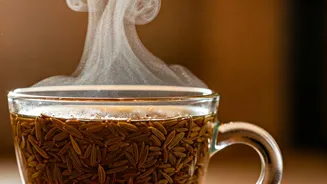
While staying hydrated is always important, monsoon wisdom suggests being mindful of *how* you hydrate. Cold water is believed to dampen the digestive fire further. Instead, sipping on warm water throughout the day is encouraged. Herbal teas become a staple. A simple brew of tulsi leaves, ginger, and a touch of honey can help ward off colds and coughs. A concoction of boiled coriander, cumin, and fennel seeds (*CCF tea*) is a classic Ayurvedic remedy for improving digestion and flushing out toxins. These simple, warm beverages provide hydration while actively supporting your body’s internal balance.