
A World Washed in Green
The most dramatic change the monsoon brings to Goa is the landscape itself. The rain transforms the sun-baked terrain into a breathtaking canvas of emerald and jade. The Western Ghats, a global biodiversity hotspot, become intensely alive with lush forests,
mist-covered hills, and swollen streams. This is the season when waterfalls, mere trickles in the dry months, roar back to life. The iconic Dudhsagar Falls, whose name translates to 'Sea of Milk', becomes a thundering spectacle, drawing trekkers and sightseers who come to witness its full power. Beyond the famous cascades, countless smaller waterfalls appear along trekking routes, turning a simple hike into a journey of discovery. The countryside, with its verdant paddy fields and quiet villages, offers a tranquil beauty that stands in stark contrast to the high-energy vibe of peak season.
Festivals Born from the Rain
The monsoon is also a time of unique cultural celebrations that you won't find at any other time of year. The most famous of these is Sao Joao, the feast of St. John the Baptist, celebrated on June 24th. It is marked by a tradition found nowhere else in the world: locals, wearing crowns of flowers and leaves called 'kopels', leap into overflowing wells and streams. This act reenacts the story of St. John leaping for joy in his mother's womb. In villages like Siolim, the festival includes colourful boat parades and general merriment fuelled by the local spirit, feni. Later in the season, on the fourth Saturday of August, Divar Island hosts the Bonderam festival, a vibrant parade of flags, floats, and music that commemorates old property disputes between village wards. These festivals offer a rich, authentic glimpse into Goan culture.
Adventure Beyond the Beach
While swimming in the rough seas is banned and many beach shacks close, adventure doesn't stop in the monsoon; it just changes address. The focus shifts from the coast to the rivers and hills. White-water rafting on the Mhadei River becomes a major draw, with rapids offering a thrilling ride through lush jungle scenery. Kayaking in the calm backwaters and through mangrove forests provides a more serene but equally immersive experience. For land-based thrills, trekking and hiking trails in places like the Chorla Ghats and near the Tambdi Surla temple offer misty paths and the chance to spot unique monsoon wildlife. Heritage walks through the rain-washed lanes of Panjim's Latin Quarter, Fontainhas, become even more atmospheric, with the vibrant Portuguese-era houses looking freshly painted.
A Slower, More Intimate Goa
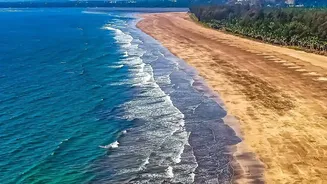
Perhaps the biggest draw for many is the change of pace. The monsoon strips away the crowds, the traffic-choked roads, and the frantic energy of the tourist season. What remains is a quieter, more contemplative Goa. The beaches, though not for swimming, become vast, empty spaces perfect for solitary walks and watching the dramatic stormy skies. It’s a time for cozying up in cafes, indulging in long, leisurely Goan meals, and exploring spice plantations which are at their most fragrant after the rains. This slower tempo allows for more meaningful interactions with locals and a deeper appreciation for the state's natural rhythm. And while it’s no longer a secret, the monsoon still brings the practical benefits of an off-season, including lower prices on flights and luxury accommodations, making a peaceful Goan escape more accessible than ever.