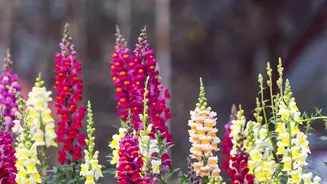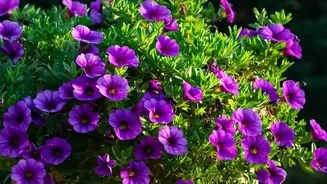

As the summer heat subsides, India's gardens enter their golden season. Cooler, milder weather is perfect for a spectacular array of flowers. This guide will help you cultivate a vibrant winter garden, with a special focus on two reliable stars.
Why Winter is a Gardener's Delight
In many
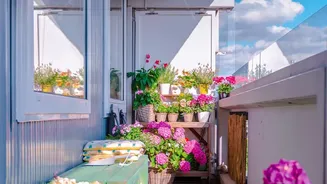
parts of India, winter offers the ideal climate for gardening. The pleasant daytime sun and cool nights create perfect conditions for a wide range of flowering annuals that struggle in the intense summer heat. This season allows for longer blooming periods, often with more intense, richer colours. Pests are also less active in the colder months, making maintenance simpler for both beginners and seasoned gardeners. From November through February, balconies, terraces, and garden beds can be transformed into a riot of colour with the right selection of plants.
The Cheerful and Hardy Pansy
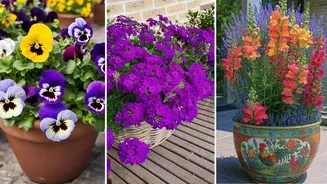
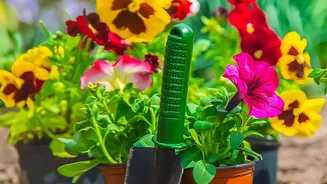
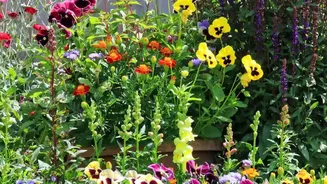
Pansies are cherished for their unique, face-like markings and velvety petals, which come in a wide spectrum of colours like blue, purple, yellow, and maroon. These low-growing plants thrive in cool weather, making them an excellent choice for borders, window boxes, and pots. For best results, sow seeds between late September and mid-November when night temperatures begin to drop. Pansy seeds germinate best in cooler soil, around 18°C, and should be lightly covered. Once seedlings develop a few leaves, they can be transplanted into pots or beds. Ensure they get at least four to six hours of winter sun and are planted in rich, well-draining soil. Keep the soil consistently moist but never waterlogged.
The Prolific and Popular Petunia
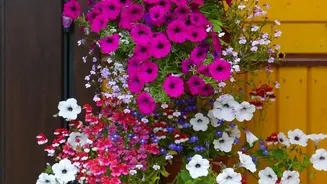
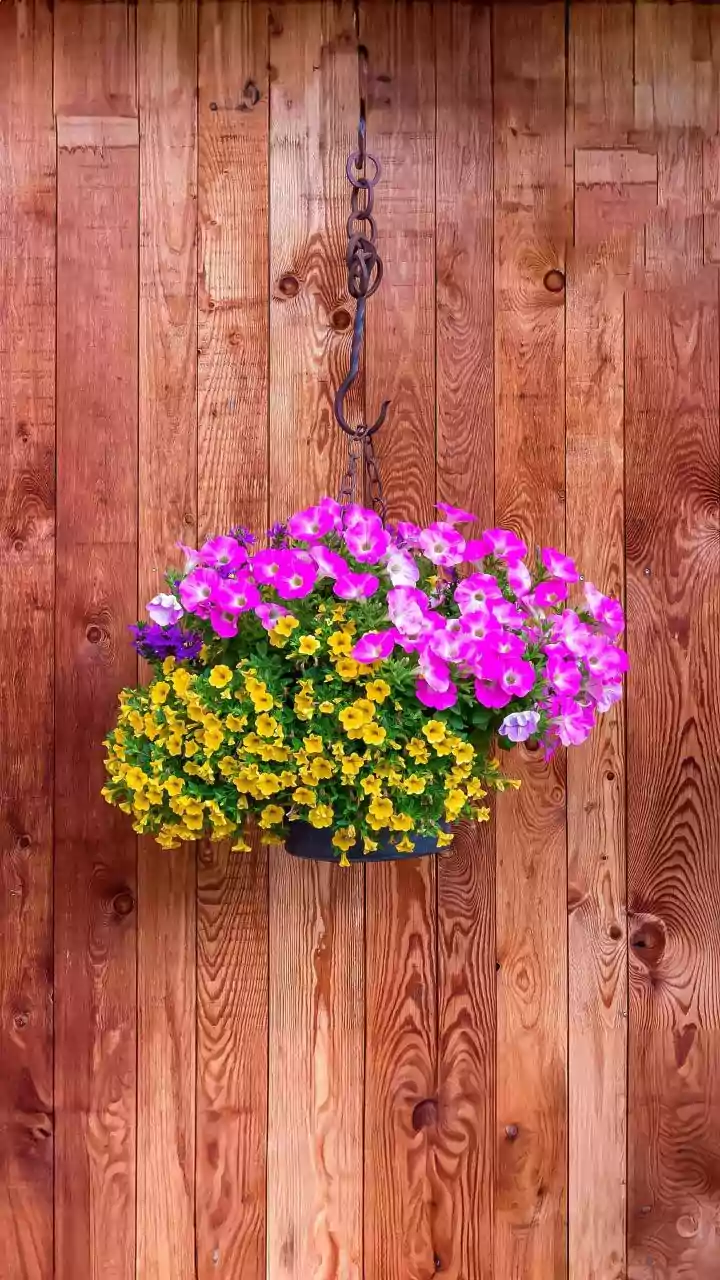
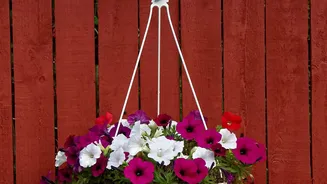
Petunias are undisputed stars of the winter garden in India, available in a stunning range of solid and striped colours. Their trumpet-shaped flowers are perfect for hanging baskets, containers, and garden beds, adding a cascade of colour. Sowing time is crucial; in most of India's plains, planting from late September to November yields blooms from December through March. Petunia seeds are incredibly fine and require light to germinate, so they should be sprinkled on the surface of the soil and not covered. A mix of garden soil, compost, and cocopeat provides the ideal light, well-draining medium these plants need. They are sun-lovers, requiring at least five to six hours of direct sunlight daily to bloom profusely.
Beyond the Basics: Other Winter Wonders
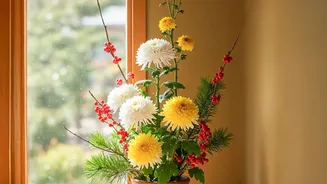
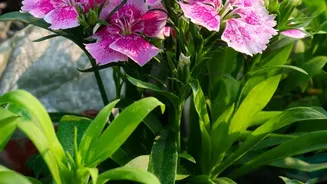
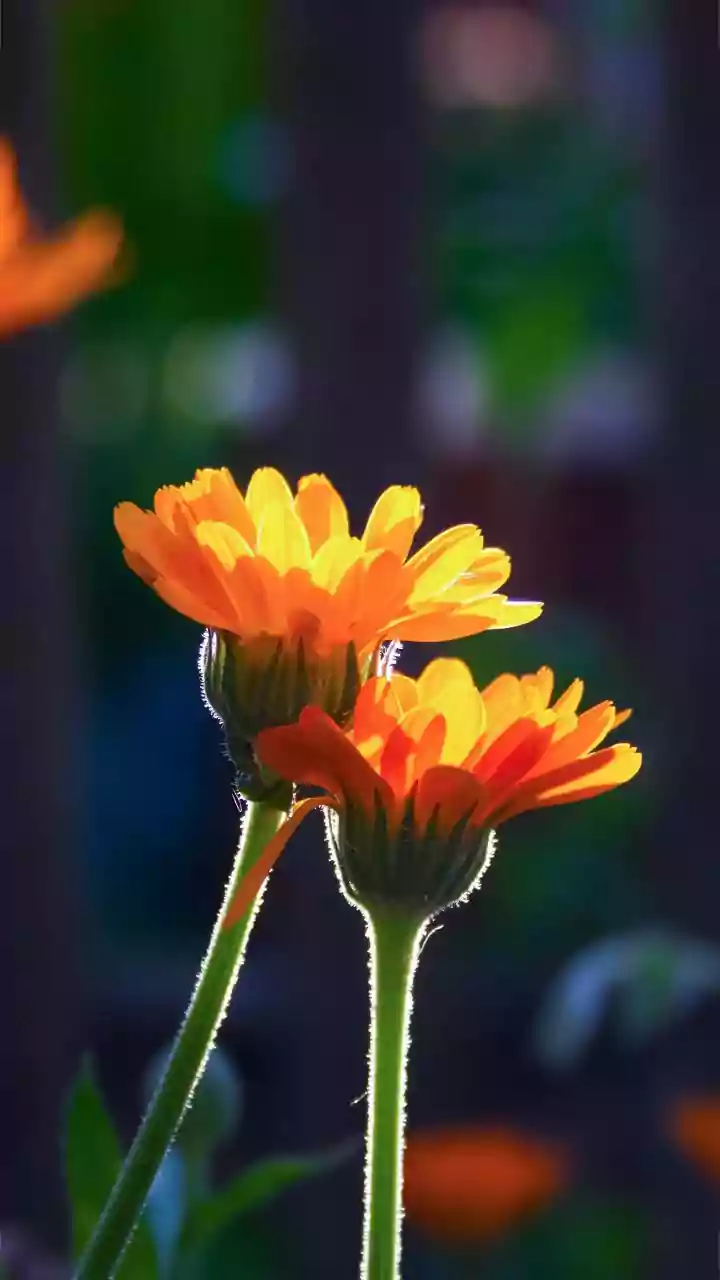
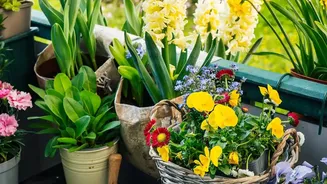
While pansies and petunias are fantastic choices, several other flowers flourish in India's winter. Marigolds (Genda) are incredibly hardy and a cultural staple, with bright yellow and orange blooms. Calendula, or pot marigold, offers sunny yellow and orange daisy-like flowers and is also known for being very cold-tolerant. For those seeking texture and variety, Dianthus produces attractive, fringed flowers in shades of pink and red, while Chrysanthemums (Guldaudi) provide classic, full blooms that are synonymous with the season. These can all be grown alongside pansies and petunias to create a layered, dynamic, and colourful winter display.
Essential Care for a Thriving Winter Garden
Successful winter gardening comes down to a few key practices. First, adjust your watering routine. Cooler weather means soil stays moist for longer, so always check the top inch of soil before watering. Overwatering is a common mistake that can lead to root rot. Most winter annuals need plenty of sunlight to produce abundant flowers, so place your pots in the sunniest spot available. Regularly removing spent or faded flowers, a practice known as deadheading, encourages plants to produce more blooms and extends the flowering season. Finally, a light feed with a balanced fertiliser every few weeks can provide the nutrients needed for healthy growth and continuous flowering.