


Witness the Planet's Rainiest Places
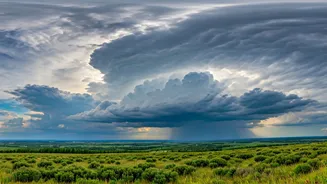
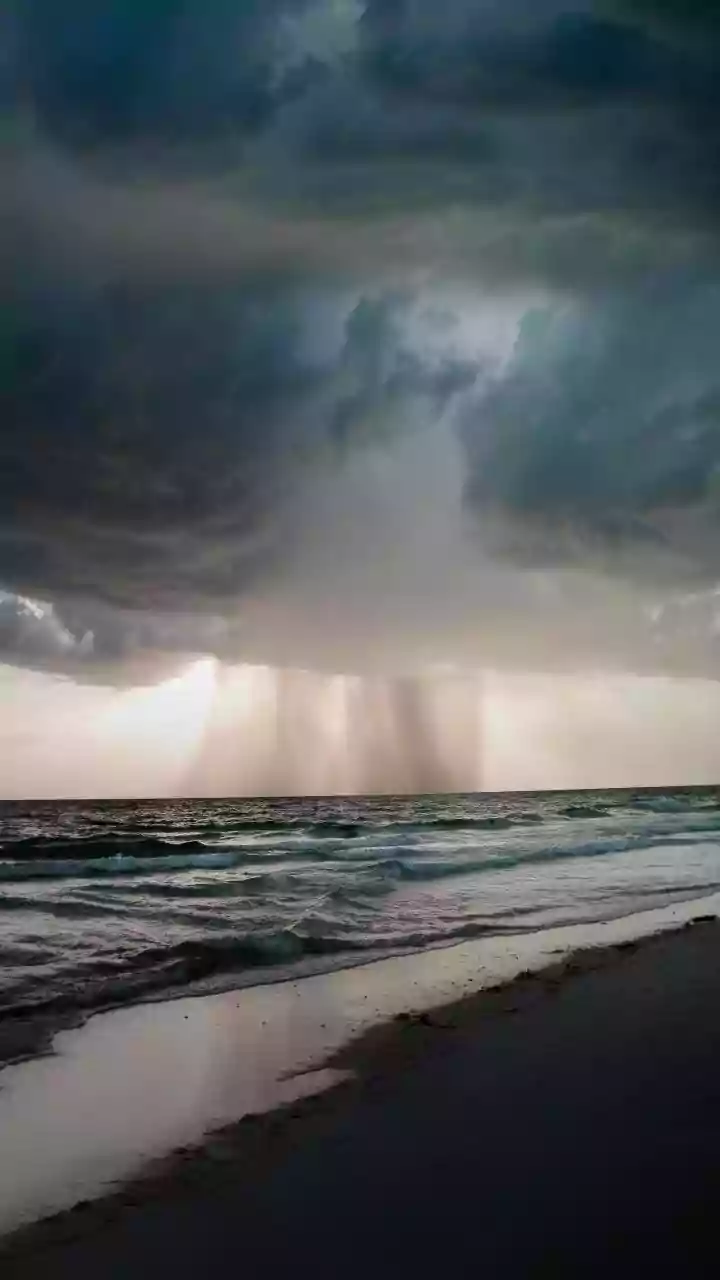
Meghalaya is home to the two wettest places on Earth: Mawsynram and Cherrapunji (Sohra). These villages, located just a short distance from each other, receive the highest average annual rainfall in the world. The reason lies in their unique geography;
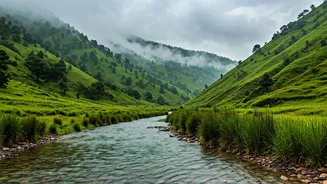
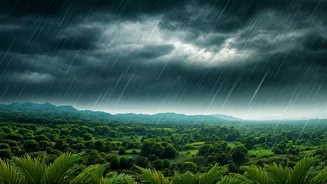
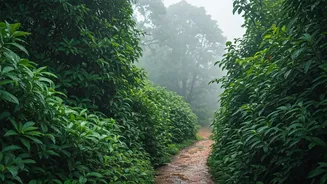
the Khasi Hills trap moisture-laden winds from the Bay of Bengal, forcing them to release torrential rain. During the monsoon (June to September), this is not just a drizzle but a spectacular, continuous downpour that turns the entire landscape into a vibrant, living spectacle. Visiting here is to witness a global climatic phenomenon firsthand. For travelers, this means experiencing rain not as an inconvenience, but as the main event.
Walk Across Living Root Bridges
Imagine bridges that aren't built, but grown. For centuries, the Khasi and Jaintia tribes have guided the aerial roots of rubber fig trees across rivers, weaving them into sturdy, living structures. These bridges, which can take 15 to 30 years to become fully functional, grow stronger over time, resisting the region's powerful monsoons that would wash away conventional structures. The most famous is the magnificent double-decker root bridge in Nongriat village, which requires a trek down thousands of steps. During the monsoon, the journey is even more magical, with lush greenery and swollen streams all around.
Chase Thundering Waterfalls
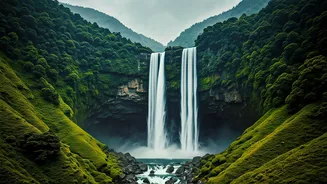
The constant rain feeds hundreds of waterfalls, which are at their most powerful and dramatic during the monsoon. Nohkalikai Falls, India's tallest plunge waterfall, is a breathtaking sight near Cherrapunji, where a single stream of water roars down a cliff into a turquoise pool. Then there are the Seven Sisters Falls (Nohsngithiang Falls), a series of cascades that flow side-by-side down limestone cliffs. Other must-sees include the three-tiered Elephant Falls near Shillong and the stunningly blue Krang Suri Falls in the Jaintia Hills. The sheer volume and power of these falls during the rainy season is an unforgettable experience.
Explore Mist-Shrouded Canyons and Caves
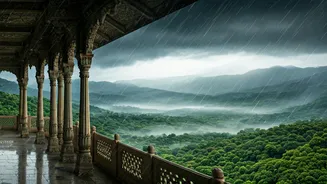
The monsoon transforms the landscape into a dreamscape of rolling mists and clouds. The Laitlum Canyons, which translates to 'end of hills', offers panoramic views of deep, fog-filled gorges that seem to stretch on forever. It's a surreal sight to watch clouds drift right up to your viewpoint. Meghalaya is also riddled with caves, and exploring them during the rains is a unique adventure. Mawsmai Cave, near Cherrapunji, is a well-lit limestone cave system that becomes even more dramatic with streams of water flowing through it during the monsoon. The damp, echoing chambers offer a different perspective on the region's water-shaped geography.
Embrace the Local Monsoon Lifestyle
In Meghalaya, life doesn't stop for the rain; it adapts. For the Khasi people, the monsoon is a part of their culture and daily rhythm. You can see this in their architecture, with sloping roofs designed for heavy downpours, and their use of 'knups'—traditional full-body umbrellas made from bamboo and banana leaves. The monsoon is also the perfect time to cozy up in a Shillong café, sipping on a hot cup of tea while watching the rain outside. The city's blend of colonial-era charm and modern culture feels especially inviting during this season. It’s a chance to slow down and appreciate the simple, profound beauty of the rains.
Essential Travel Tips for a Monsoon Trip
While magical, a monsoon trip to Meghalaya requires preparation. The peak rainy season is from June to September. Pack waterproof everything: a heavy-duty rain jacket or poncho, waterproof footwear with excellent grip, and dry bags for electronics are non-negotiable. Roads can be foggy and slippery, so it's best to travel during daylight hours and hire a local driver who knows the routes well. Leeches are common on trekking trails, so carry leech socks or insect repellent. While there are fewer tourists, it's still wise to book accommodation in advance, especially in popular areas like Cherrapunji and Shillong.