


What Exactly Is Sourdough Discard?
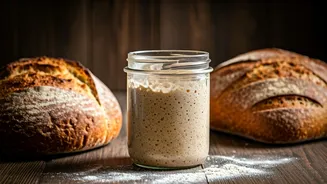
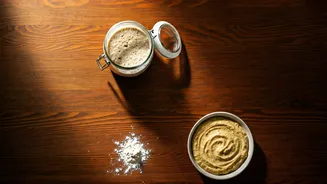
At its core, sourdough discard is the portion of your starter that you remove before each feeding. This process is essential for maintaining a healthy, active starter. Discarding helps manage the starter's size—preventing you from being overrun by a rapidly
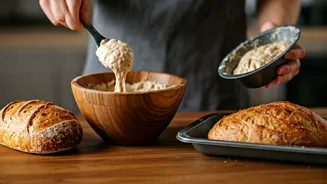
growing flour-and-water pet—and balances its acidity, ensuring your bread has the perfect flavour and rise. While the name implies it should be thrown away, discard is perfectly edible and packed with potential. It’s essentially unfed starter: a mixture of flour and water teeming with the wild yeasts and beneficial bacteria that give sourdough its character, but without the leavening power of a freshly fed, 'active' starter.
From Kitchen Waste to Sustainable Staple
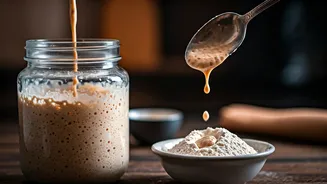
The sustainability of using sourdough discard comes down to one simple, powerful act: reducing food waste. By regularly feeding a starter, bakers can generate a significant amount of discard. Throwing this away contributes to household food waste, which has a broader environmental impact. Instead of tossing it, saving your discard in a jar in the fridge gives you a ready-to-use ingredient for up to a week. This simple habit transforms something that was once considered waste into a valuable kitchen asset. It’s a small but meaningful way to close the loop in your kitchen, making the most of your resources and lessening your environmental footprint one bake at a time. Some gardeners even dilute discard with water to nourish their soil, returning the nutrients to the earth.
The Secret to Deeper Flavour and Better Texture
Beyond sustainability, sourdough discard is a culinary powerhouse. Because it’s fermented, it develops a tangy, complex flavour that is more pronounced than that of an active starter. This depth of flavour, often compared to cultured butter or crème fraîche, can elevate a wide range of recipes. It adds a subtle acidity that balances sweetness in cakes, cookies, and muffins, and provides a savoury tang to crackers, pizza dough, and flatbreads. Discard also improves the texture of baked goods, contributing moisture that results in softer cakes and fluffier pancakes. It even helps create flakier pastries and pie crusts. Using it isn't just about avoiding waste; it's about making your food taste better.
A World of Possibilities Beyond Bread
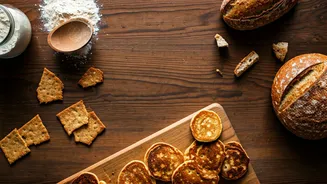
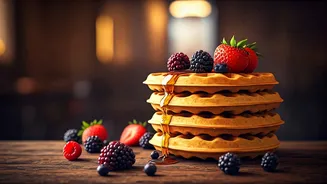
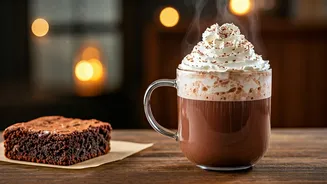
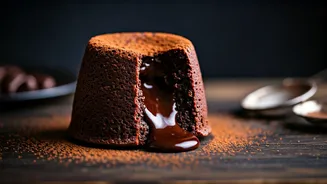
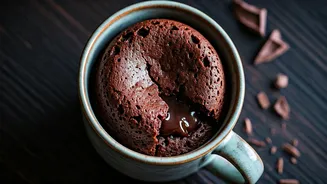
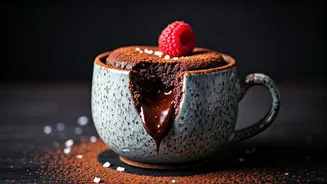
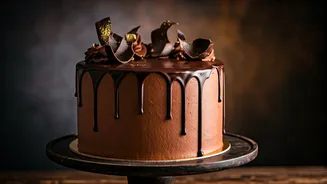
Perhaps the most compelling reason to save your discard is its incredible versatility. It shines in recipes that don’t rely on its leavening power, or where another raising agent like baking powder or yeast is used. The possibilities are nearly endless. For breakfast, sourdough discard can be whisked into batter for tangy pancakes, waffles, and crumpets. For snacks and meals, it forms the base of delicious and easy crackers, pizza crust, and soft pretzels. You can even use it to make fresh pasta dough, thicken gravies and sauces like béchamel, or create a crispy batter for fried chicken. In the world of sweets, discard adds a wonderful complexity to chocolate cake, banana bread, fudgy brownies, and cookies, proving it is far from a one-note ingredient.
Getting Started With Your Discard
Ready to give it a try? Start by collecting your discard in a clean jar and storing it in the refrigerator. It will last for about a week, becoming more sour over time. When you're ready to bake, remember that discard is typically 50% flour and 50% water by weight. For many recipes, like crackers or pancakes, you can simply add it in. For others, you may need to adjust the flour and liquid content slightly. If a recipe needs rise, like biscuits or some quick breads, it will typically call for additional leaveners such as baking soda or powder. Don't be afraid to experiment. Start with a simple recipe like crackers or pancakes to get a feel for its flavour and texture. Once you start, you'll wonder how you ever threw it away.