


The Science of Staying Warm
Dressing for a high-altitude trek isn't about wearing one big, warm jacket. Instead, seasoned mountaineers rely on a 'layering system'. This method involves wearing multiple, distinct layers of clothing, each with a specific job. The goal is to manage
moisture, trap heat, and protect yourself from the elements like wind and snow. This system allows you to adapt by adding or removing layers as your activity level or the weather changes, preventing both overheating and hypothermia. Getting this system wrong at altitude, where weather is notoriously unpredictable, can be dangerous.
Base Layer: Your Second Skin
The layer closest to your skin has one primary function: moisture management. As you exert yourself while trekking, you will sweat. If that moisture stays on your skin, it will cool you down rapidly when you stop moving, significantly increasing your risk of hypothermia. For this reason, cotton is strictly to be avoided as it absorbs moisture and stays wet. The best materials are merino wool or synthetics like polyester and polypropylene. Merino wool is praised for its natural odour resistance and ability to insulate even when damp, while synthetics excel at actively wicking moisture away from the skin and drying quickly. A snug, next-to-skin fit is crucial for this layer to work effectively.
Mid-Layer: The Insulation Engine
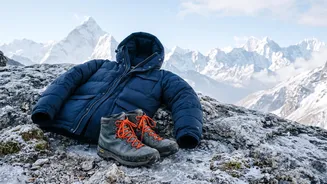
The mid-layer's job is to provide insulation by trapping the warm air your body generates. This is the layer that truly keeps you warm. Common materials include fleece, down, and synthetic fills. Fleece is breathable and stays warm even when it gets a little damp. Down offers the best warmth-to-weight ratio, meaning it's very warm for how light it is, but it loses its insulating properties completely when wet. Synthetic insulation, while slightly bulkier than down, performs much better in damp conditions. Many trekkers will carry both a fleece for active hiking and a puffy down or synthetic jacket to wear during rests or in the cold evenings at the teahouse.
Outer Shell: Your Shield Against the Elements
Your outermost layer, or shell, is your protection from wind, rain, and snow. Its purpose isn't to provide warmth on its own, but to protect the insulating layers underneath. A good shell jacket and pants are non-negotiable in the Himalayas. Without this protection, wind can strip away your trapped body heat in seconds, and moisture from rain or snow can soak your insulating layers, rendering them useless. Shells come in two main varieties: hardshells, which are fully waterproof and windproof (often using materials like Gore-Tex), and softshells, which are more breathable and water-resistant, making them suitable for dry but windy days.
Don't Forget Your Extremities
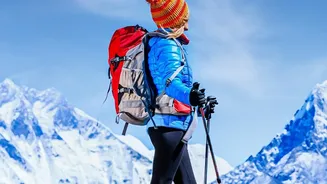
Proper layering extends beyond your torso. Your hands, feet, and head are often the first parts of the body to suffer from the cold and are susceptible to frostbite. A warm hat or beanie is essential, as significant heat can be lost through your head. A buff or neck gaiter provides versatile protection for your face and neck. For your hands, a two-glove system is often best: a thin pair of liner gloves for dexterity and a warmer, waterproof pair of mittens or gloves over them. For your feet, wear wool or synthetic socks—never cotton—inside well-fitting, waterproof trekking boots.