








The Dynamic Currency Conversion Trap
You're at a shop in Paris, and the card machine offers a choice: pay in Euros or Indian Rupees. Choosing INR feels safer, right? Wrong. This is Dynamic Currency Conversion (DCC), and it's a common trap. While it shows you the cost in a familiar currency,
the convenience comes at a steep price. The exchange rate is set by the merchant's payment provider, not your bank, and it's almost always less favourable. On top of this, you might still be charged a foreign transaction fee by your own bank, meaning you pay twice for the same conversion. The golden rule is simple: always choose to pay in the local currency of the country you are visiting.
Rethinking Your Domestic Credit Card
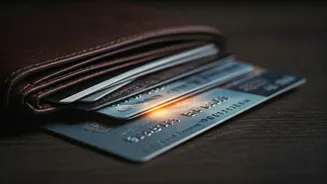
Swiping your regular Indian credit or debit card abroad seems easy, but it can be one of the most expensive ways to pay. Most Indian banks charge a foreign currency markup fee, typically ranging from 2% to 4% on every single transaction. These small percentages add up significantly over the course of a trip, from hotel bills to restaurant meals. While some premium cards offer a lower or zero forex markup, it's crucial to read the fine print. Often, even these cards can have hidden charges or unfavourable conversion rates applied by the card network. Using a domestic card should ideally be reserved for emergencies, not for everyday holiday spending.
Embrace the Forex Card
A prepaid forex card is one of the most effective tools for an international traveller. These cards allow you to load foreign currency before you even leave India, locking in the exchange rate at that moment. This protects you from currency fluctuations during your trip. Most forex cards come with zero foreign transaction markup, as long as you are paying in a currency that is loaded on the card. They are widely accepted at VISA or Mastercard terminals and ATMs worldwide. Think of it as a dedicated travel wallet that is safer than carrying large amounts of cash and more cost-effective than using your everyday credit card.
UPI Goes Global, But With Limits
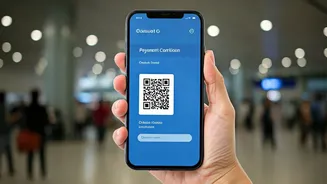
The convenience of UPI has transformed payments within India, and it's now expanding internationally. Indian travellers can use apps like PhonePe, Google Pay, and BHIM to pay at select merchants abroad by scanning a QR code. To do this, you must first activate the 'UPI International' feature within your app for your chosen bank account. The payment is deducted from your Indian bank account in rupees, with the conversion happening on the spot. However, this service is still in its early stages and is only available in a handful of countries and at specific partner merchants. It's a fantastic option where available but cannot be relied upon as your sole payment method just yet.
The Smart Way to Use Cash and ATMs
While cards are convenient, carrying some local cash is essential for small expenses like taxis, street food, or tips. However, avoid exchanging large sums of money at airport kiosks, which are notorious for their poor exchange rates. A better option is to withdraw cash from a local ATM once you arrive. But be smart about it: ATMs can also have high fees. First, your Indian bank may charge a fee, and the local ATM operator might charge another. To minimize costs, withdraw larger amounts less frequently rather than making multiple small withdrawals. And just as with card payments, if the ATM offers to dispense cash using Dynamic Currency Conversion, always decline and choose to be charged in the local currency.
Don't Forget to Inform Your Bank
This is a simple but critical step that many travellers forget. Before you leave, inform your bank about your travel dates and destinations. Banks monitor accounts for unusual activity to prevent fraud. A sudden string of transactions from another country can trigger a security alert, leading them to block your card. A quick phone call or an update via your net banking portal can prevent the nightmare scenario of having your card declined when you need it most. This applies to all the cards you plan to carry, including credit, debit, and forex cards.