







From Prompt to Polished Video
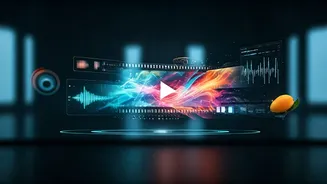
At its core, text-to-video AI is a technology that generates video footage from simple text descriptions. Tools like OpenAI's Sora, Luma Labs' Dream Machine, and Kling use complex machine learning models to interpret a user's prompt and create corresponding
visual scenes, complete with movement, characters, and environments. What once required expensive cameras, editing software, and significant technical skill can now be initiated with a simple sentence. This leap forward compresses the production process, allowing a single person to generate visual drafts, B-roll footage, or entire animated clips in minutes, not days. For creators, this means the distance between an idea and a tangible video asset has never been shorter.
The End of Big Budgets?
One of the most significant impacts of this technology is the democratization of video production. Traditionally, creating high-quality video content has been a costly and time-consuming affair, requiring investment in equipment, locations, and post-production talent. This created a high barrier to entry, leaving many aspiring creators and small businesses on the sidelines. AI video generators are changing that equation by drastically lowering production costs. Reports suggest these tools can reduce average production costs by as much as 91%. This shift doesn't just make video creation cheaper; it makes it economically viable for a much broader range of projects, from social media marketing and educational content to independent filmmaking and rapid prototyping of campaign ideas.
A New Canvas for Indian Storytellers
For the burgeoning Indian creator economy, this technology opens up a world of new possibilities. Content creators can now produce engaging short-form videos for platforms like Instagram Reels and YouTube Shorts at an unprecedented speed, helping them keep up with fast-moving trends. Marketers can create multiple, personalised ad variations for different audience segments without needing to organise new shoots. Educators and ed-tech platforms can develop animated explainer videos to make complex topics more accessible. This technology empowers creators to move beyond logistical constraints and focus more on the core of their craft: storytelling. Human creativity remains the driving force, but AI acts as a powerful partner, handling the technical heavy lifting.
Navigating the Challenges and Concerns
Despite the excitement, the rise of AI video generation is not without its challenges. The quality of AI-generated videos, while rapidly improving, can still struggle with fine details like realistic human motion or complex physics. There are also significant ethical considerations. The potential for creating convincing but fake videos raises concerns about misinformation and the erosion of trust in online content. Furthermore, the industry is grappling with questions around copyright, data privacy, and the potential displacement of jobs in the traditional production sector. While AI is seen more as a co-creator than a replacement, it is undeniably shifting the skills required to succeed in the creative industries.
The Road Ahead for Creators
The future of content creation will likely involve a hybrid model where human ingenuity and AI efficiency work in tandem. Creators who succeed will be those who learn to use these tools effectively—mastering the art of the prompt, understanding which tasks to delegate to AI, and knowing when human oversight is essential. As the technology evolves, we can expect even more sophisticated capabilities, such as real-time video generation and greater personalisation at scale. The key for creators is not to fear being replaced by AI, but to embrace it as a powerful tool that can augment their skills, speed up their workflow, and unlock new creative avenues. The creators who adapt and integrate these AI-assisted workflows will be best positioned to thrive in an increasingly competitive digital landscape.