




The US midterm elections have concluded, but for the rest of the world, the uncertainty is just beginning. A decisive electoral rebuke of President Donald Trump's party has ushered in an era of divided government in Washington.
A New Political Landscape
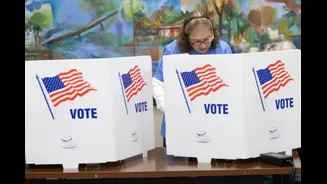
In the midterm elections
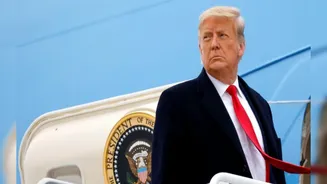
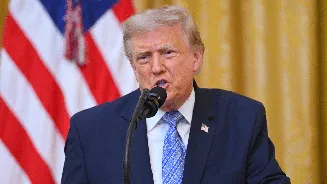
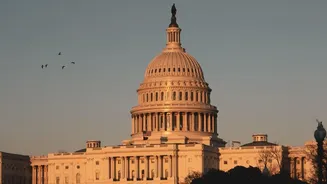
on November 3, 2026, the Democratic Party secured control of both the House of Representatives and the Senate. This result marks a significant shift after two years of unified Republican government and is widely seen as a public reprimand of the Trump administration's policies, particularly concerning the war in Iran and its economic consequences, such as high gas prices. With Democrats now holding the power to set the legislative agenda and control congressional committees, President Trump faces a dramatically altered political reality for the remainder of his term. This new era of divided government will likely lead to increased political gridlock, with more government shutdowns and budget standoffs on the horizon.
The Limits of Presidential Power
While the President of the United States retains significant authority in foreign affairs, a hostile Congress is not without influence. Democrats now have the power of the purse, meaning they can use the appropriations process—deciding how federal money is spent—to place constraints on the administration's foreign policy initiatives. This could manifest as attempts to curb military spending, particularly in relation to the ongoing conflict with Iran, or restore foreign aid that the Trump administration had cut. Furthermore, the new Democratic majority is expected to launch investigations into the administration's foreign policy decisions and use its oversight powers to increase scrutiny on the White House's actions abroad.
Flashpoint Ukraine
US support for Ukraine has been a point of contention. The Trump administration has largely halted direct military and financial aid, despite bipartisan support in Congress for assisting Kyiv in its fight against Russia. While some aid has continued through alternative channels, such as NATO allies paying for US weapons to be transferred to Ukraine, crucial deliveries have been paused. With Democrats in control, Congress may now be able to approve new aid packages that could overcome a potential presidential veto. However, experts caution that President Trump may still seek to end the war on terms unfavorable to Ukraine as part of his legacy, creating a potential clash with the legislature.
The China Conundrum
The relationship with China enters a complex new phase. A tough stance on China enjoys a degree of bipartisan support, but methods differ. Analysts believe a Democratic-controlled Congress could complicate President Trump's ability to negotiate with Beijing, as it may increase pressure on issues like technology restrictions and Taiwan. Congress could push the administration to approve a delayed $14 billion arms sale to Taiwan, a move Beijing strongly opposes. Conversely, some experts suggest a politically weakened Trump might be more eager to secure agreements with China. Ultimately, the divided government may lead to greater scrutiny of Trump's trade policies but not necessarily a full reversal of his tariff-heavy approach.
An Unpredictable Path Forward
Facing domestic constraints, a US president often pivots more forcefully to foreign policy, an arena where they wield more unilateral power. Some analysts predict that President Trump may pursue more adventurous actions abroad to secure quick victories or cement his legacy, potentially reigniting conflicts or attempting bold diplomatic moves. This creates a landscape of deep unpredictability for allies and adversaries alike. Allies in Europe and Asia will be watching closely to see if the US can maintain its commitments or if it will turn further inward, while rivals may seek to exploit the perceived weakness and division in Washington.