



North India: The Heartland's Dairy Delights
In the heart of Braj Bhoomi—Mathura and Vrindavan—the celebrations are steeped in tales of Krishna's childhood. The food offerings directly reflect this. The simplest and most significant prasad is Makhan Mishri, a humble mix of fresh white butter and rock
sugar crystals. It’s a direct homage to Krishna's famous love for butter, which earned him the affectionate name 'Makhan Chor' or butter thief. Another essential preparation is Dhaniya Panjiri. Made by roasting coriander seed powder with ghee, sugar, and a generous helping of dried fruits and nuts, this fragrant sweet is unique to Janmashtami fasting. Since grains are often avoided, coriander powder serves as a flavourful and permissible base, making it a perfect dish to break the fast at midnight.
Maharashtra: A Savoury Homage to Friendship
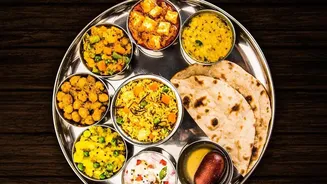
In Maharashtra, Janmashtami celebrations are synonymous with the energetic spectacle of Dahi Handi. The food that complements this tradition is Gopalkala, also known as Dahi Kala. This savoury dish is a rustic mix of flattened rice (poha), curd, cucumber, coconut, and sometimes fruits and peanuts, tempered with green chillies and ginger. Gopalkala is more than just a recipe; it's a recreation of the meals Krishna shared with his cowherd friends (gopas) in the fields. Legend has it that they would pool their tiffins together, creating a flavourful mix that was shared by all. This tradition embodies a spirit of community and equality, making Gopalkala a symbolic dish of friendship and sharing.
South India: Crispy and Sweet Offerings
Down south, Janmashtami, or Gokulashtami, is celebrated with intricate kolam (rangoli) featuring tiny footprints drawn from the entrance to the prayer room, symbolising Krishna's arrival. The culinary offerings are a delightful mix of sweet and savoury snacks. Key among these are Uppu Seedai (salty, fried rice flour balls) and Vella Seedai (their sweet counterpart made with jaggery). These crunchy, bite-sized treats are prepared in homes across Tamil Nadu and Kerala. Another staple is Murukku, a crispy, spiral-shaped snack. Made from rice flour and urad dal, it’s a festival favourite that adds a delightful crunch to the celebratory platter. Sweet preparations like Aval Payasam (poha kheer) are also common, honouring Krishna's love for flattened rice.
East India: Seasonal Bounty from Bengal and Odisha
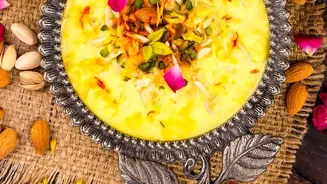
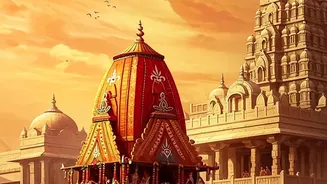
In West Bengal and Odisha, the Janmashtami menu is influenced by the seasonal monsoon bounty. A standout dish is Taler Bora, sweet fritters made from the pulp of the Asian palm fruit (taal), which is abundantly available during this time. These deep-fried delights, made by mixing palm pulp with rice flour and sugar, are so loved that a Bengali saying suggests Lord Krishna starts dancing with joy after eating them. Malpua, a small, sweet pancake fried in ghee and often soaked in sugar syrup, is another popular offering across the region. In Odisha, at the famous Jagannath Temple, the offerings have their own unique character. The prasad includes a variety of local preparations like Arisa Pitha (a sweet cake of rice flour and jaggery) and Khiri (kheer).
Gujarat: Sweet Notes from the West
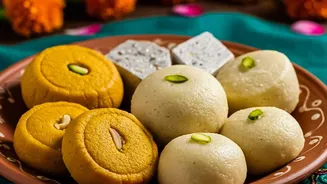
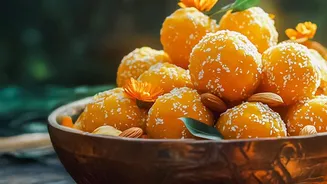
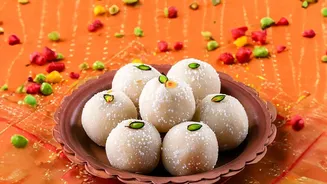
Gujarat, with its deep-rooted connection to Krishna through the city of Dwarka, celebrates Janmashtami with a variety of sweet offerings. Shrikhand, a creamy dessert made from hung curd, sugar, saffron, and cardamom, is a festive staple. Its rich, silky texture and delicate flavours make it a perfect offering. Another common preparation is Panjiri, similar to the North Indian version but sometimes with regional variations in the nuts and spices used. Along with these, households also prepare sweets like Magas (a type of besan ladoo) and various kinds of Peda, a milk-based sweet that is a favourite across India. The emphasis is on rich, dairy-based treats that reflect Krishna's own tastes and the state's legendary sweet tooth.