



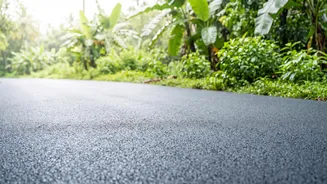
An End to Potholes?
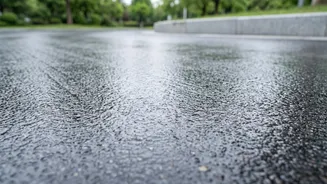
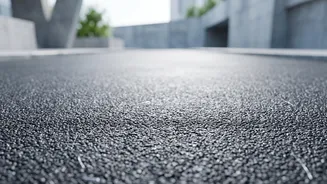
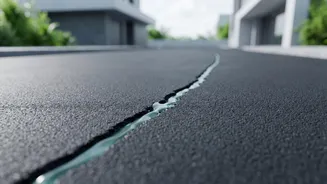
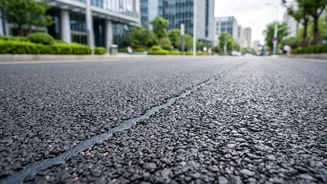
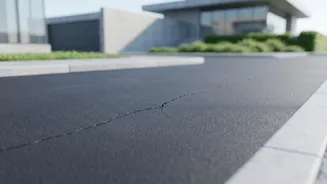
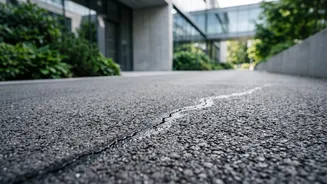
Imagine a road that, when a tiny crack appears, can mend itself before the crack grows into a car-damaging pothole. This isn't science fiction; it's the core idea behind self-healing asphalt. The technology aims to create more durable, sustainable, and
safer roads by embedding restorative properties directly into the pavement. For a country like India, where road networks are expanding rapidly but face immense pressure from heavy traffic and harsh weather like monsoons, this innovation could be transformative. The National Highways Authority of India (NHAI) is already exploring these technologies to tackle the persistent problem of potholes, which are a major cause of accidents.
The Science of Self-Repair
Several methods can give asphalt this remarkable healing ability. One leading approach involves embedding tiny, conductive steel fibres or iron oxide nanoparticles into the asphalt mix. When micro-cracks form, a special maintenance vehicle passes over the surface, using an induction machine to create a magnetic field. This heats the fibres or particles, which in turn soften the surrounding bitumen (the asphalt's binder), allowing it to flow and seal the gaps. Another clever technique uses microcapsules filled with a rejuvenating agent, such as sunflower oil or recycled oils. When a crack ruptures these capsules, the oil is released, softening the asphalt and effectively 'healing' the damage from within.
Greener, Cheaper, and Safer Roads
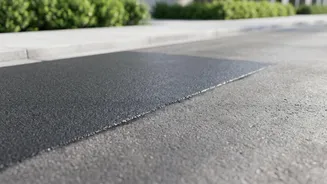
The benefits of self-healing roads extend far beyond a smoother ride. By automatically repairing small cracks, the technology can significantly extend the lifespan of a road, potentially doubling it in some cases. This proactive repair process dramatically reduces the need for frequent, disruptive, and costly maintenance, which could lead to huge long-term savings for infrastructure budgets. From an environmental perspective, longer-lasting roads mean less demand for new raw materials and a lower carbon footprint from fewer repair operations. Many of these technologies also focus on using eco-friendly and recycled materials, such as bio-binders from algae, agricultural waste, or recycled plastics, making the entire road lifecycle more sustainable. Ultimately, better-maintained roads are also safer roads, reducing the risk of accidents caused by potholes and other surface defects.
The Road Ahead for India
While countries like the Netherlands and China have already started deploying this technology, India is taking promising first steps. Research bodies like the Central Road Research Institute (CRRI) and IIT Madras are actively experimenting with variants tailored for Indian conditions, focusing on polymer-modified and bio-bitumen formulas that can withstand tropical climates and heavy loads. The NHAI's interest signals a potential shift in national strategy, aligning with missions like Bharatmala to build not just more roads, but smarter, more resilient ones. The main hurdle, for now, is the higher initial installation cost, which can be up to 25% more than conventional asphalt. However, proponents argue that this is easily offset by the massive reduction in long-term maintenance expenses.