




The Current State of the Queue
For many Indians dreaming of visiting family, attending a conference, or simply vacationing in the United States, the reality of 2026 is a lengthy and often confusing wait for a visa interview. As of mid-2026, first-time applicants for a B1/B2 visitor
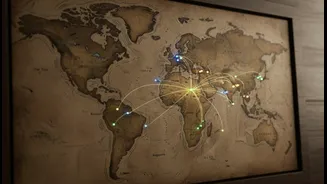
visa are facing significant delays across India. Recent data shows wait times can range from approximately four months to nearly ten months, depending on the consulate. Cities like Mumbai and Hyderabad are reporting the longest queues, with waits around 9.5 months. New Delhi follows with about a 7.5-month wait, while Chennai is slightly better at around 5.5 months. Kolkata currently offers the shortest wait among the major posts, averaging about four months. These figures represent a dramatic improvement from the post-pandemic peaks, which saw wait times exceeding 800 days, but the path to securing an appointment remains a major planning challenge for travelers.
Why the Long Delays Persist
The persistent queues are a result of a classic supply-and-demand mismatch. Following the global travel shutdown, a massive wave of pent-up demand for tourism, business travel, and family visits surged. This was compounded by the fact that many Indian nationals waiting for delayed permanent residency (Green Card) processing are also applying for B1/B2 visas as a temporary way to visit family in the US. On the supply side, US consulates in India, while processing a record number of visas, are still working through backlogs and are limited by staffing and the capacity to conduct interviews. Each consulate manages its own appointment calendar, leading to the significant variation in wait times from one city to another. The U.S. Mission to India has made substantial efforts, including hiring more consular officers and holding special interview days, which helped issue a record one million visas in fiscal year 2024 and bring the wait times down from their crisis levels.
Decoding 'Official' Wait Times
One of the most confusing aspects for applicants is understanding the official data. The U.S. Department of State website provides an estimated wait time to receive an interview appointment. This number, usually given in calendar days or months, reflects the average time applicants waited in the past month between paying the visa fee and their interview date. It is not a live guarantee but an estimate based on recent workload and staffing. It's also crucial to distinguish between different visa categories. The longest waits are typically for first-time B1/B2 visitor visas. Other categories, such as student (F, M, J) or certain work visas (H, L, O, P, Q), often have much shorter queues, sometimes just a few weeks or months. Furthermore, applicants eligible for an interview waiver, often called the "dropbox" process, face a much shorter timeline, typically two to six weeks for processing without an in-person interview.
Navigating the Appointment System
For those facing a long wait, there are a few strategies to keep in mind. The most important advice is to plan far ahead—in the current climate, this means applying many months, or even a year, before your intended travel date. After you book an initial appointment, it is crucial to check the scheduling system frequently. Consulates regularly release new appointment slots due to cancellations or added capacity, and persistent applicants can often find and switch to an earlier date. Another strategy is flexibility. Indian applicants are generally allowed to schedule their interview at any of the five consulates in India, regardless of where they live. This means someone from a city with a 9-month wait could potentially book an appointment in a city with a 4-month wait to expedite the process. For truly urgent travel, such as a medical emergency, it is possible to request an expedited appointment, though this requires strong justification and is not guaranteed.