






The Rise of the Educated Coffee Drinker
The days of choosing between generic instant coffee and traditional filter kaapi are fading fast. A new generation of Indian consumers is driving a massive shift towards specialty and single-origin beans. Fuelled by global exposure and a growing curiosity,
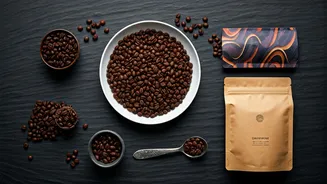
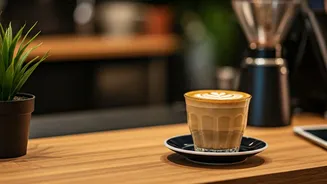
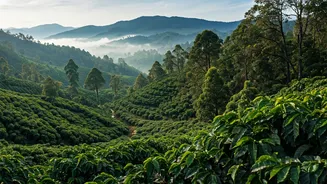
coffee lovers are becoming more knowledgeable about terms like 'Arabica', 'pour-over', and 'roast profiles'. This has spurred the growth of homegrown micro-roasters and brands like Blue Tokai and Araku Coffee, which emphasize transparency and quality. Consumers can now trace their coffee back to specific estates in Coorg or Chikmagalur, appreciating the unique flavour notes imparted by the region's terroir. This demand for a premium experience is pushing the entire industry to focus on craftsmanship, with the specialty coffee market in India projected to grow significantly.
Technology in Your Coffee Cup
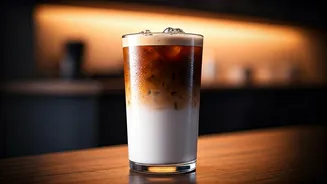
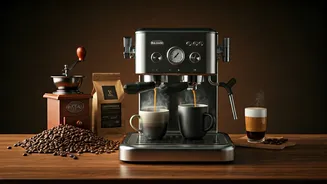
The upgrade isn't just about the beans; it's also about how we brew them. Technology is making it easier than ever to achieve a cafe-quality cup at home. Smart coffee machines that can be controlled via smartphone apps, precision grinders that ensure the perfect consistency, and temperature-controlled kettles are moving from niche gadgets to mainstream appliances. Innovations like the AeroPress and sophisticated pour-over kits are also gaining popularity among home-brewing enthusiasts who want meticulous control over their coffee. Even cold coffee is getting a tech-focused makeover with methods that offer speed without sacrificing flavour, like flash-chilling and advanced cold brew systems. This embrace of technology allows for greater personalisation and consistency, ensuring every cup is brewed exactly to your liking.
The Cafe as a 'Third Place'
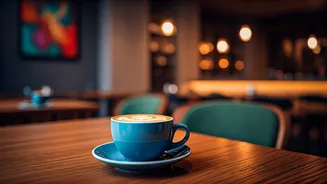
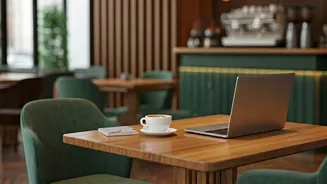
Cafes are transforming from simple beverage counters into dynamic social hubs. They have become the modern Indian's 'third place'—a space outside of home and work to relax, socialise, and be productive. This trend has given rise to 'experiential cafes' that offer more than just food and drink. These venues might feature art galleries, host workshops, or provide spaces for community events, creating a multi-sensory experience. The design of these cafes now prioritises comfort and flexibility, with varied seating for solo work sessions or group conversations. This shift is especially prominent in Tier-2 and Tier-3 cities, where aspirational young consumers are eager for the same premium experiences found in metropolitan areas.
A More Conscious Cup
The final, and perhaps most important, upgrade to coffee culture is a growing emphasis on sustainability and ethical sourcing. Today's consumers are increasingly concerned about the environmental and social impact of their purchases. They want to know that their coffee is not only high-quality but also grown in a way that is fair to farmers and kind to the planet. In response, many Indian coffee brands are highlighting their sustainable farming practices and direct trade relationships with coffee growers. The use of plastic-free, compostable packaging is also becoming a key expectation for consumers. This move towards a more conscious and transparent supply chain is building a stronger, more resilient coffee ecosystem that benefits everyone from the farmer to the drinker.