




Fortify Your Home’s Exterior
The first line of defence against monsoon moisture is a strong exterior. Before the rains intensify, inspect your roof and walls for any cracks or leaks. Even small fissures can allow a surprising amount of water to seep in over time. Applying a fresh
coat of waterproof paint or sealant to external walls can create an effective barrier against moisture. Also, ensure that your drainage system, including gutters and pipes, is clear of debris. Clogged drains can cause water to overflow and pool around your home’s foundation, leading to dampness in the lower walls.
Control Indoor Air and Humidity
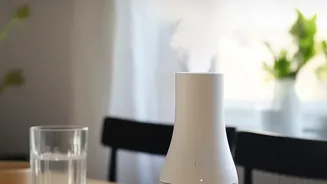
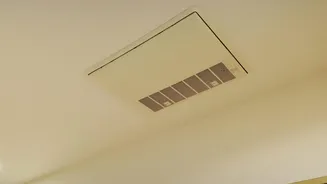
Even with a sealed exterior, humidity will find its way indoors. The key is to manage it effectively. Cross-ventilation is your best friend; open windows and doors for at least 15-30 minutes on dry, sunny days to let fresh air circulate and push stale, moist air out. For rooms without good airflow, like bathrooms and kitchens, always use the exhaust fan to expel steam and moisture. An electric dehumidifier is a highly effective tool for pulling excess moisture from the air. If you prefer a natural approach, placing bowls of rock salt or pieces of charcoal in damp corners can help absorb moisture.
Protect Furniture and Wardrobes
Wooden furniture and clothes are particularly vulnerable during the monsoon. Wood can swell and warp, while clothes can develop a persistent musty smell. To protect your furniture, try to keep it a few inches away from damp walls, which prevents moisture from being absorbed directly. Avoid placing wooden items near windows where they might be exposed to rain. Inside your wardrobes, prevent fungal growth and odours by placing moisture absorbers like silica gel packs or naphthalene balls. Camphor is another excellent option. Airing out your cupboards regularly can also make a significant difference.
Prevent and Combat Mould
Damp environments are breeding grounds for mould and mildew, which can cause health issues and damage surfaces. Prevention starts with controlling humidity and ensuring good ventilation. Keep an eye on areas prone to dampness, such as bathroom corners, under sinks, and behind large furniture. If you spot mould, it's important to clean it safely. A simple solution of white vinegar and water can be used to wipe down affected surfaces, which kills the mould and helps prevent its return. Tea tree oil, known for its natural anti-fungal properties, can also be added to your cleaning solution for extra effectiveness.
Adopt Smart Daily Habits
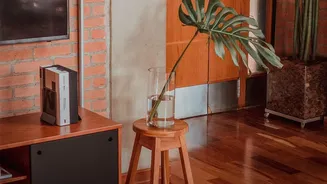
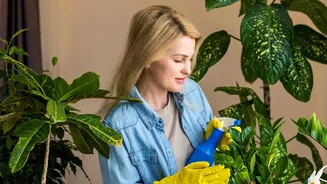
Small, consistent actions can have a big impact on keeping your home dry. When you come in from the rain, leave wet umbrellas and shoes near the entrance on a mat to prevent water from being tracked through the house. Promptly wipe up any water spills. If your home has carpets, consider rolling them up and storing them for the season. Carpets can trap a large amount of moisture, contributing to dampness and a musty smell. Finally, while indoor plants can beautify a space, some can increase humidity. If your home feels excessively damp, consider moving your plants to a balcony or a single, well-ventilated area.