




Understanding the Agony of Muscle Cramps
That sudden, involuntary, and painful contraction of a muscle is known as an exercise-associated muscle cramp (EAMC). For decades, the prevailing theory has been that they are caused by a combination of dehydration and an imbalance of electrolytes lost
through sweat. When you exercise in the summer heat, you sweat more, losing vital minerals like sodium, potassium, calcium, and magnesium. These electrolytes are crucial for proper muscle function, helping to regulate fluid balance and nerve signals. When their levels dip too low, the communication between nerves and muscles can go haywire, leading to the painful spasms we all dread. While muscle fatigue is also a major factor, maintaining hydration and electrolyte balance remains a key strategy for prevention.
Coconut Water: Nature's Electrolyte Drink?
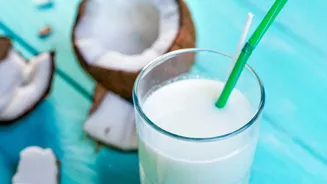
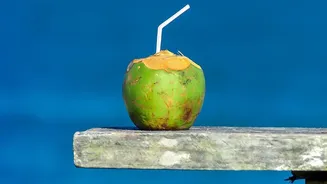
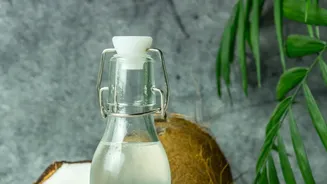
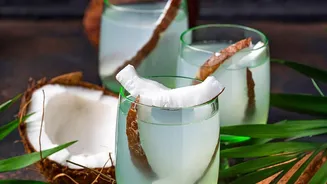
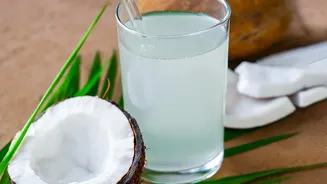
Coconut water has gained immense popularity as a natural alternative to sugary sports drinks, and for good reason. It is naturally rich in electrolytes, particularly potassium. A single cup can contain more potassium than a banana, an electrolyte that plays a vital role in muscle relaxation. It also contains smaller amounts of magnesium, calcium, and phosphorus. This profile makes it an excellent choice for general hydration and for replenishing potassium stores, which can help reduce the risk of cramping. However, compared to commercial sports drinks formulated for intense exercise, natural coconut water is relatively low in one of the most critical electrolytes lost in sweat: sodium.
The Crucial Role of a Pinch of Salt
This is where the pinch of salt comes in. Sodium is the primary electrolyte you lose through sweat, and it is absolutely essential for maintaining fluid balance in the body. It helps your body absorb and retain the water you drink, ensuring it gets to your muscles and cells where it's needed most. Without adequate sodium, you could drink litres of water and still become dehydrated at a cellular level. By adding a small amount of salt (sodium chloride) to potassium-rich coconut water, you are essentially creating a more complete, natural electrolyte drink. You are combining the high potassium of the coconut water with the sodium it lacks, creating a beverage that more closely mimics the balance of minerals lost in your sweat.
Your Pre-Workout Cramp-Busting Elixir
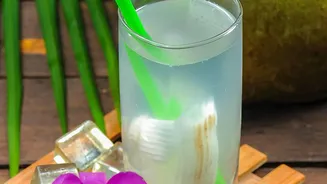
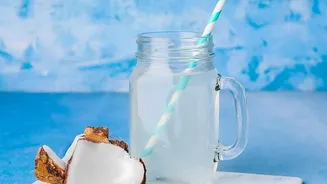
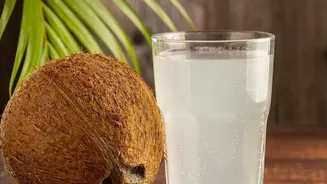
Creating this drink is simple. For a standard glass (around 250-300 ml) of unsweetened coconut water, a small pinch of sea salt or Himalayan pink salt—about 1/8 to 1/4 of a teaspoon—is generally sufficient. It shouldn't taste overtly salty. The goal is to replenish minerals, not to make a brine. Drink it about 30 to 60 minutes before you begin your outdoor workout. This gives your body time to absorb the fluids and electrolytes, essentially pre-loading your muscles with the hydration and minerals they'll need to perform under stress and heat. This strategy can help reduce the risk of cramping by addressing potential electrolyte imbalances before they become a problem.
A Word of Caution
While this is a fantastic natural strategy for many active individuals, it’s not for everyone. The key is moderation. Adding too much salt can be counterproductive and even dangerous, potentially leading to high blood pressure, bloating, and putting extra strain on your kidneys. Individuals with hypertension (high blood pressure), kidney disease, or heart conditions should avoid adding extra salt to their diet and should consult a healthcare provider before making any changes. For most healthy people engaged in moderate to intense exercise, this homemade elixir is a safe and effective way to stay hydrated, but always listen to your body.