




The Monsoon's Call
The connection between the monsoon and certain foods is perhaps the most iconic example of this phenomenon. Across the country, the arrival of rain triggers a near-universal craving for hot, fried, and savoury snacks. The sizzle of pakoras (or bhajiyas)
hitting hot oil is the unofficial soundtrack to a rainy afternoon. Whether it's onion, potato, or paneer, these deep-fried fritters, paired with steaming masala chai, are more than just a snack; they are a ritual. This tradition is so ingrained that street-side stalls see long queues the moment it starts to pour. Similarly, roasted corn on the cob (bhutta), slathered with lemon and spices, becomes a must-have, its smoky aroma mingling with the smell of wet earth. This isn't just about taste; it's about an experience that connects millions, turning a simple downpour into a national-level tea party.
Winter's Warm Embrace
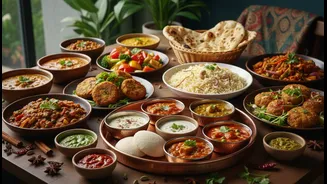
As the temperature drops, the script changes, but the story remains the same. Winter demands foods that are rich, warm, and energy-dense. It's the season for hearty meals that provide internal warmth to combat the external chill. In North India, this means plates of Sarson ka Saag with Makki ki Roti, a dollop of white butter melting on top. It’s also the season of Gajar ka Halwa, a sweet pudding made from carrots slow-cooked in milk and ghee, its fragrance filling homes. These dishes are traditionally made with seasonal produce and ingredients like ghee, jaggery, and sesame seeds, which are believed to provide the body with necessary heat and immunity during colder months. From Gujarat's Undhiyu, a complex winter vegetable curry, to Punjab's pinnis, these foods are a delicious defence mechanism against the cold.
The Science of Craving
This powerful link between weather and food isn't just cultural folklore; it’s rooted in biology and psychology. When it gets colder and darker, our bodies instinctively seek calorie-dense foods to generate heat and energy, a throwback to our ancestors' survival instincts. Furthermore, reduced sunlight in winter can lower serotonin levels, the brain's 'happy chemical'. Carbohydrate-rich comfort foods can provide a temporary boost to these serotonin levels, which is why we often reach for them to lift our mood. There's also a strong element of nostalgia and emotional connection. These foods are often associated with childhood, family gatherings, and feeling cared for. The warmth of a bowl of soup or the aroma of a familiar dish can trigger feelings of comfort and security, making the food itself a source of emotional relief.
A Bond Forged in Flavours
Ultimately, these weather-driven food traditions do more than just satisfy cravings. They transform a meteorological event into a shared social experience. The act of gathering with family or friends to enjoy monsoon snacks or a hearty winter meal strengthens bonds and creates lasting memories. The food becomes a focal point for connection. These traditions are passed down through generations, embedding themselves deep within the cultural fabric. They give each season a distinct culinary identity, from the spicy, tangy chaat of a rainy evening to the sweet, warming halwa of a winter afternoon. Across India, while the specific dishes may change from region to region, the underlying theme is universal: a collective, unspoken agreement to celebrate the weather with a plate and a cup of something delicious.