

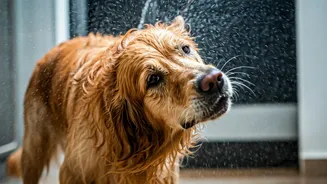


Fight the Fungus: Skin & Coat Care
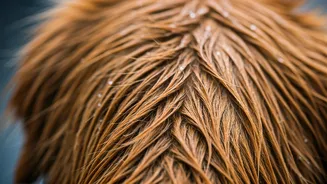
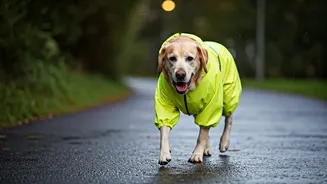
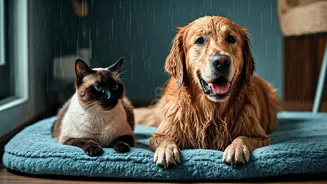
Constant dampness is the biggest enemy of your pet's skin during the monsoon. A wet coat becomes a breeding ground for nasty fungal and bacterial infections, leading to itching, rashes, and hair fall. Don’t let your pet stay wet after a walk, even a short
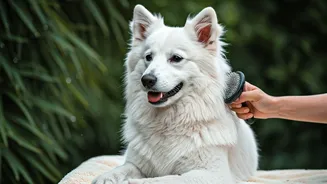
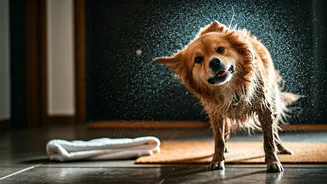
one. Towel-dry them thoroughly, paying special attention to their belly, armpits, and in between their toes. For long-haired breeds, you might need a blow-dryer on a low-heat setting. Regular brushing is also crucial to remove dirt, prevent matting, and improve air circulation to the skin. This simple grooming routine is your first line of defence against painful skin ailments.
Paw Protection Protocol
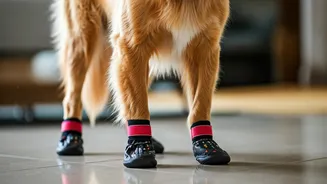
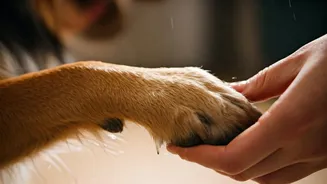
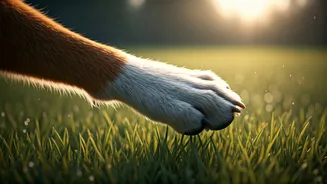
Your pet’s paws are on the front line, navigating puddles, mud, and flooded streets that can be full of germs, waste, and sharp objects. This makes them highly susceptible to infections and injuries. Make it a non-negotiable rule to wash and dry their paws after every single trip outside. Use a gentle antiseptic solution recommended by your vet or simply lukewarm water. Inspect their paw pads and the area between their toes for any cuts, redness, or signs of irritation. Keeping their nails trimmed also helps reduce the amount of muck they track inside and prevents painful splitting.
Watch Their Water and Diet
Stagnant water is a major source of water-borne diseases like leptospirosis and gastrointestinal infections. Never let your pet drink from puddles. Always provide fresh, clean, filtered drinking water at home. During monsoons, pets are often less active due to fewer walks, so they may not need as many calories. Monitor their weight and consider slightly reducing their food portions to prevent them from gaining extra kilos. A balanced, easily digestible diet will also help keep their immunity strong and their stomach settled during this sensitive season.
The Parasite Problem
Ticks, fleas, and mites thrive in the warm, humid conditions of the monsoon. These parasites are not just an itchy nuisance; they can transmit serious diseases like tick fever and Lyme disease. A raincoat offers zero protection against them. Your pet’s regular anti-tick and flea treatment is more important than ever during this season. Whether you use a spot-on treatment, a special collar, or oral medication, be diligent and stick to the schedule prescribed by your veterinarian. Regularly check their coat for any signs of parasites, especially after they’ve been outdoors or interacted with other animals.
Soothe Stormy Nerves
The loud claps of thunder and flashes of lightning can be terrifying for many pets, causing severe anxiety. Signs include shaking, panting, hiding, or becoming destructive. The best way to help is to stay calm yourself, as they can pick up on your stress. Create a safe, comfortable ‘den’ for them in a quiet part of the house, like a crate covered with a blanket. Playing some calming music or white noise can help drown out the storm. Avoid excessive coddling, as this can reinforce their fear. Instead, act normal and offer quiet reassurance to show them there is nothing to be afraid of.
Indoor Games for Rainy Days
Cancelled walks mean a build-up of pent-up energy, which can lead to a bored and destructive pet. Keep their mind and body active with indoor activities. A 15-minute training session to reinforce old commands or teach new tricks can be very stimulating. Invest in puzzle toys or treat-dispensing balls that make them work for their food. A simple game of hide-and-seek with their favourite toy or treats can also provide great mental enrichment. Keeping them engaged will help ensure they remain calm and well-behaved even when cooped up inside.