



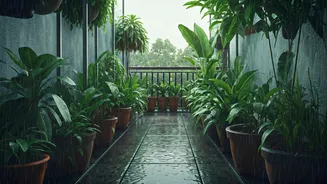


Assess Your Balcony's Conditions
Before you buy a single seed, take a moment to understand your space. The most crucial factor is sunlight. Observe how much direct sun your balcony receives and at what time of day. A south or west-facing balcony gets strong, direct light ideal for sun-loving
flowers like marigolds and bougainvillea, or vegetables like tomatoes and chillies. An east-facing balcony receives gentle morning sun, perfect for many tropical foliage plants, while a north-facing one is shadier and better suited for plants like ferns, snake plants, and pothos (money plant). Also, consider wind exposure and whether your building has rules about hanging planters on railings.
Choose the Right Containers
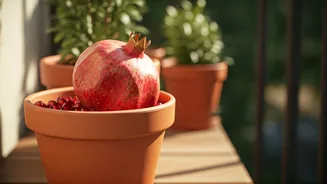
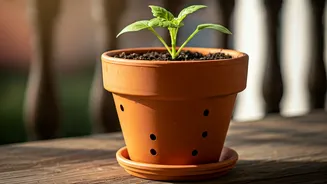
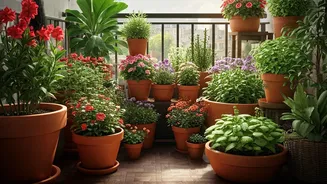
Container selection is more than just aesthetics; it's about plant health. Ensure every pot has drainage holes at the bottom to prevent waterlogging, which is a common cause of root rot. For balconies with weight restrictions, lightweight plastic or fibreglass pots are a safer bet. Traditional terracotta pots are porous and breathable, which helps keep soil cool, but they also dry out faster. You can also maximise your space with vertical planters, tiered shelves, and hanging baskets, which are perfect for small urban homes.
Prepare the Perfect Potting Mix
Using soil dug up from a garden is a common mistake for beginners. In pots, garden soil becomes compacted, chokes roots, and retains too much water. A good potting mix for containers is light and drains well. A reliable recipe for Indian conditions is a mix of cocopeat, compost, and perlite or sand. A balanced combination, such as 50% cocopeat (for moisture retention), 30% vermicompost (for nutrients), and 20% perlite or river sand (for drainage), creates the perfect environment for healthy roots to grow. You can buy pre-made potting mixes or create your own with these ingredients, which are readily available at local nurseries.
Pick Your Plants Wisely
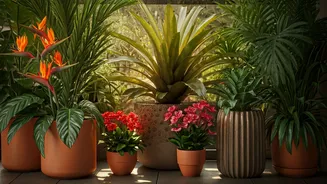
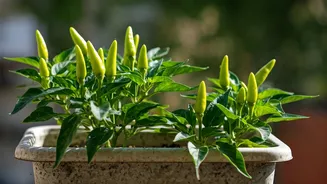
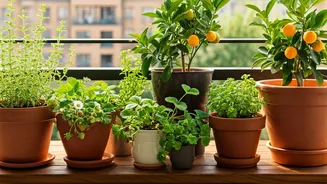
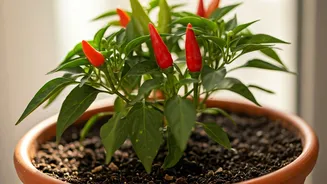
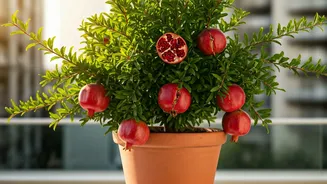
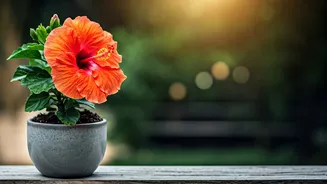
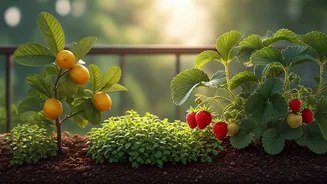
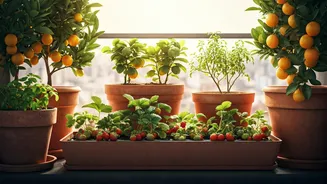
This is the most exciting step. For a beginner, it's best to start with low-maintenance plants. For a splash of colour, marigolds, hibiscus, and petunias are excellent choices that thrive in Indian climates. If you want a fragrant garden, consider jasmine (mogra) or tulsi (holy basil), which are staples in many Indian homes. For an edible garden, start with easy-to-grow herbs like mint, coriander, and curry leaves. Vegetables like cherry tomatoes, chillies, and spinach also do surprisingly well in balcony containers with adequate sunlight.
Watering and Basic Care
Overwatering is a frequent issue in container gardening. The best rule is the 'finger test': stick your finger about an inch into the soil. If it feels dry, it's time to water; if it's moist, wait another day. Water plants early in the morning or late in the evening to reduce evaporation, especially during hot Indian summers. To keep your garden flourishing, you'll need to replenish nutrients. Feeding your plants with a diluted liquid fertiliser or adding fresh compost every few weeks can make a huge difference. Also, regularly check under leaves for common pests like aphids and mealybugs. A simple spray of neem oil solution is an effective organic remedy.