

The Unquestioned Reign of the Biscuit
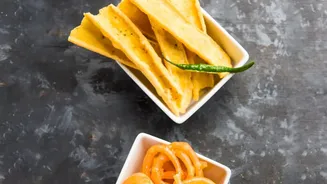
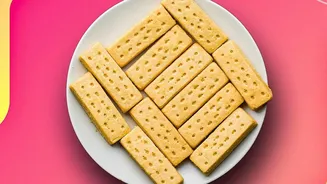
For decades, the biscuit has been the undisputed king of Indian snacking. Paired with chai, it is a cultural cornerstone, an affordable comfort food steeped in nostalgia. From Parle-G in every kirana store to premium cream-filled varieties, biscuits have
dominated the market with their accessibility and familiarity. They represent tradition, a simple pleasure that has connected generations. This isn't just a feeling; the numbers back it up, with biscuits forming a massive and established segment of the snack industry. However, the winds of change are blowing, and while the biscuit's reign is far from over, its throne is no longer entirely uncontested. New contenders are rising, driven by a fundamental shift in what Indians want from their snacks.
The Comeback Kid: Makhana's Health Halo
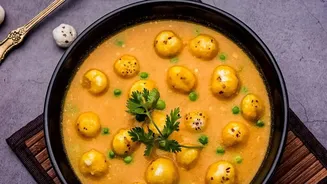
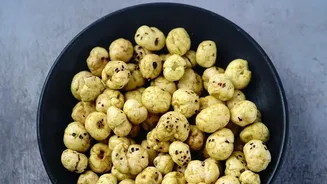
Once relegated to religious fasting or traditional medicine, makhana (fox nuts) has staged a remarkable comeback. Promoted as a homegrown superfood, these puffed lotus seeds are low in calories, gluten-free, and rich in protein and antioxidants. This nutritional profile perfectly aligns with the modern Indian consumer's growing health consciousness. Start-ups and established brands alike have transformed makhana from a simple commodity into a branded, value-added snack, available in a variety of flavours from peri-peri to pudina. This has propelled makhana into the mainstream, positioning it as a guilt-free alternative to fried snacks and chips. The market is booming, with projections showing significant growth as it moves from a niche item to a pantry staple in urban and semi-urban households.
The Functional Fuel: Protein Bars
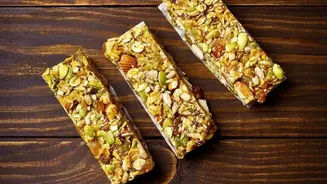
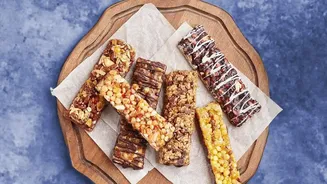
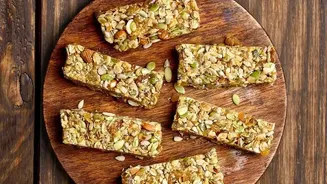
At the other end of the spectrum is the protein bar, a product of our increasingly urban, fitness-oriented lifestyles. Once a niche product for bodybuilders, protein bars are now marketed as a convenient source of 'functional fuel' for anyone with a busy schedule. They cater to the 'on-the-go' needs of young professionals and fitness enthusiasts who want a snack that does more than just satisfy hunger—it needs to support their wellness goals. With widespread protein deficiency in Indian diets, these bars offer a quick and measured dose of the macronutrient. The market, though smaller than that for biscuits, is expanding rapidly, with a focus on clean-label, plant-based, and even localised flavour profiles to appeal to a broader audience.
What’s Driving the Great Snack Shift?
This evolution isn't happening in a vacuum. It's fueled by powerful social and economic currents. Rising disposable incomes allow consumers to spend more on premium and specialized food products. Increased urbanisation means longer commutes and busier, more sedentary lifestyles, driving demand for convenient, healthy options. A surge in health awareness, amplified by social media and concerns over lifestyle diseases, is a major factor. Studies show a vast majority of Indian consumers are now actively seeking snacks with functional benefits, and many are willing to pay a premium for them. Furthermore, the boom in e-commerce and quick-commerce platforms has made these new-age snacks accessible to a wider audience, including those in Tier-2 and Tier-3 cities.
A More Crowded Snack Plate
The rise of makhana and protein bars doesn't spell the end for biscuits. Instead, it signals a diversification of the Indian snack plate. The consumer is becoming more discerning, and their choices are more contextual. A biscuit might still be the perfect companion for morning tea. Roasted makhana might be the choice for a light, guilt-free evening snack while watching a movie. A protein bar becomes the go-to option after a workout or as a quick breakfast on a busy day. This shift is from mindless indulgence to mindful consumption, where every snack choice is intentional. Brands are responding not just with healthier products, but also with transparent labelling and clean ingredients, as consumers demand to know exactly what they are eating.