







The Conscious Kitchen Revolution
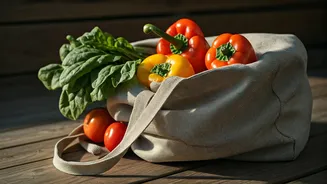
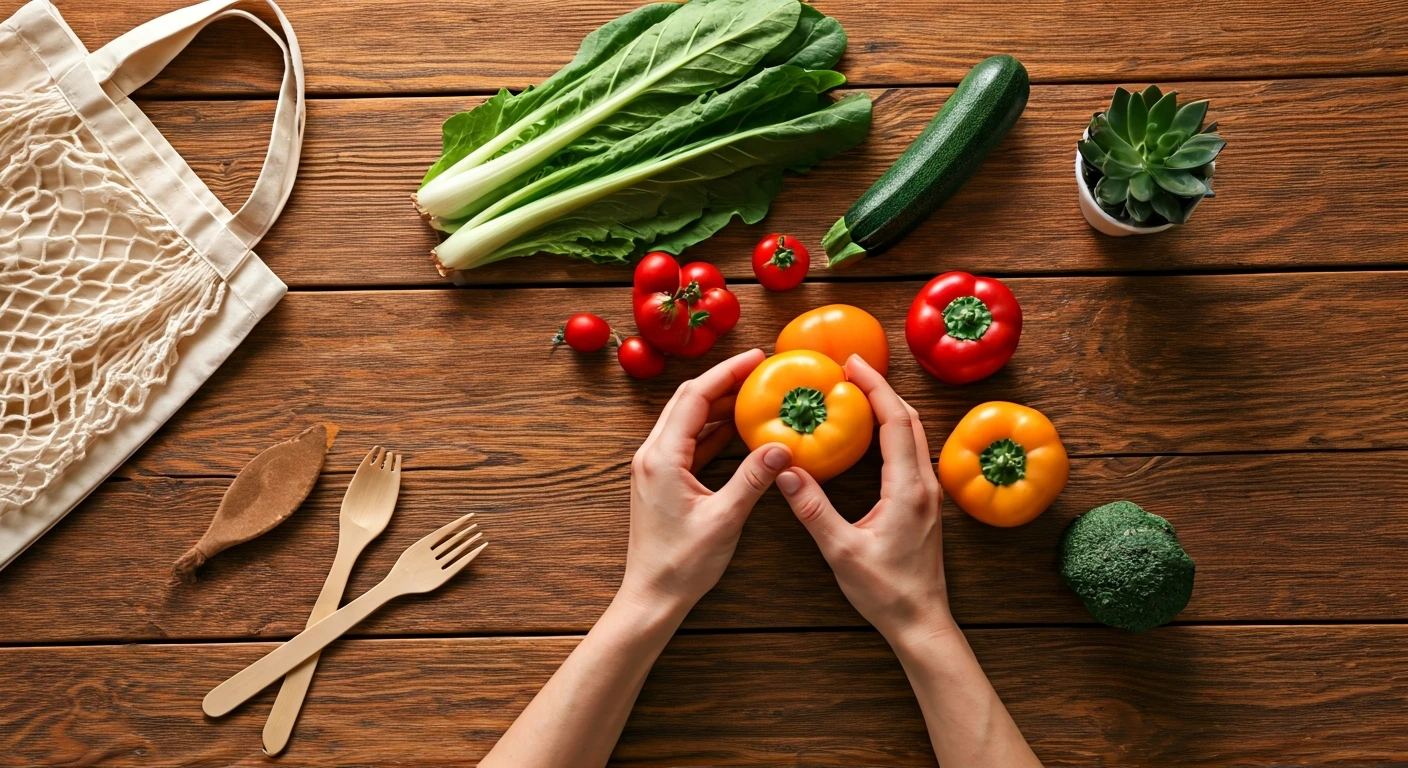
The most significant shift is happening where it matters most: our food. Urban and semi-urban Indians are increasingly questioning where their food comes from. This has sparked a renewed interest in sourcing locally and seasonally. Farmers' markets are bustling
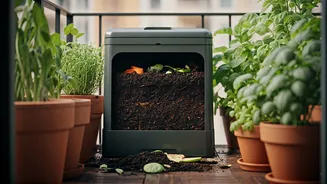
again, and subscription services delivering organic produce directly from farms are gaining traction in cities like Bengaluru, Mumbai, and Delhi. Beyond just organic, the focus is on reducing food miles and supporting local agrarian economies. The trend extends to minimising waste. Composting kitchen scraps is becoming a common practice in many urban households, with community groups on social media sharing tips on everything from turning vegetable peels into broth to creating homemade bio-enzymes for cleaning. It's a return to the wisdom of our grandparents, repackaged for the modern, eco-conscious Indian.
Fashion Gets a Second Life
Fast fashion's dominance is finally being challenged by a vibrant counter-culture of thrifting, upcycling, and supporting slow fashion brands. Instagram and dedicated online platforms have become bustling marketplaces for pre-loved clothing, making 'circular fashion' a reality for young Indians. This isn't just about saving money; it's a conscious statement against the environmental and ethical toll of the garment industry. Thrifting allows for unique personal style while reducing textile waste. Alongside this, a growing number of homegrown labels are championing 'slow fashion'—creating timeless pieces using sustainable materials like organic cotton, linen, and khadi, and promoting fair wages for artisans. Consumers are learning to ask, 'Who made my clothes?' and are willing to invest in pieces that last.
Personal Care Goes Clean and Green
The bathroom shelf is another frontline in the everyday sustainability movement. Consumers are growing wary of chemical-laden products and excessive plastic packaging. This has fuelled a boom in 'clean beauty' and zero-waste personal care. Brands offering products with transparent, natural ingredient lists are flourishing. The bigger shift, however, is in packaging. Shampoo bars, conditioner bars, bamboo toothbrushes, and toothpaste tablets are moving from novelty items to mainstream choices. These products drastically reduce plastic waste, and many are sold by small, ethical Indian businesses that are building a loyal following online. The 'refill' model is also taking root, with stores encouraging customers to bring their own containers to top up on everything from liquid soap to lotion.
The Rise of the Refill Economy
Beyond personal care, the concept of refilling is making a major comeback, modernising an old Indian practice. In cities across the country, zero-waste grocery stores are emerging. These shops allow customers to buy staples like grains, pulses, spices, and oils by weight, using their own reusable containers. This 'unpackaged' approach directly tackles the mountain of single-use plastic generated by conventional FMCG products. It empowers consumers to buy exactly the quantity they need, reducing both packaging waste and food waste. While still a nascent movement, it's a powerful indicator of a deeper change in consumer mindset—a move away from convenience at any cost towards mindful consumption.
Small Changes and Community Power
Perhaps the most inspiring aspect of this trend is that it's largely a grassroots movement. It's about the cumulative impact of small, individual actions: carrying a reusable water bottle, refusing plastic straws, starting a terrace garden, or participating in a local clean-up drive. Social media platforms have become hubs for these communities, where individuals share tips, celebrate small wins, and hold each other accountable. This digital-to-physical activism proves that sustainability isn't an intimidating, all-or-nothing goal. It's a journey of continuous, incremental changes that, when adopted by many, can create a significant and lasting impact on the environment and society.