








Why Your Skin Changes in the Monsoon
High humidity sends a mixed signal to your skin. The moisture in the air can make your skin's surface feel oily or sticky because it increases sebum production. [3, 13] This often leads people to make a crucial mistake: skipping moisturiser altogether.
[14] However, this can backfire. When your skin lacks proper hydration, it often produces even more oil to compensate, creating a cycle of greasiness and potential breakouts. [14, 23] The goal during the rainy season is to find a balance—a product that hydrates deeply without adding a heavy, occlusive layer that can clog pores. [12, 14] It's about locking in moisture, not humidity and sweat. [14]
For Oily and Acne-Prone Skin
If you have oily skin, the monsoon can feel like a constant battle against shine. The key is to opt for lightweight, non-comedogenic (pore-clogging) formulas. [10, 15] Gel-based or water-based moisturisers are your best friend during this season. [11, 14] They are absorbed quickly, provide hydration without a greasy residue, and often have a cooling effect on the skin. [24] Look for ingredients like Niacinamide, which helps regulate oil production and improve skin texture, and Salicylic Acid, which gently exfoliates and keeps pores clear. [2, 17] Many dermatologists recommend oil-free formulas specifically for those prone to breakouts in humid weather. [17]
For Dry and Dehydrated Skin
It might seem counterintuitive, but dry skin can still feel tight and dehydrated during the monsoon. [17] While the air is humid, your skin barrier might still be compromised, leading to water loss. However, the heavy, rich creams you used in winter might now feel suffocating. [9] The solution is to look for nourishing but non-greasy moisturisers. Emulsions, which are lighter than creams but more nourishing than gels, are an excellent choice. [9] Key ingredients to look for are Hyaluronic Acid, a powerful humectant that draws moisture into the skin, and Ceramides, which help repair and support the skin's natural barrier without feeling heavy. [3, 9] Glycerin is another effective ingredient that provides lasting hydration. [7]
For Combination and Sensitive Skin
Combination skin can be particularly tricky in the monsoon, as some areas get oilier while others remain normal or dry. A lightweight gel-cream can provide the perfect balance. [6] For sensitive skin, which can become more reactive with weather changes, it's crucial to choose fragrance-free and gentle formulas. [14] Ingredients like Aloe Vera can be soothing and cooling, while a moisturiser with a pH-balanced formula helps maintain skin health. [5, 19] A lightweight lotion from a trusted brand like Cetaphil, often recommended by dermatologists for its gentle properties, can be a safe and effective option. [6]
Ingredients to Look For (And Avoid)
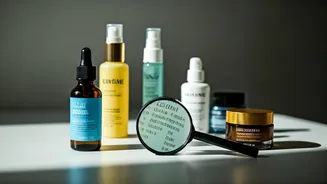
To simplify your search, focus on finding these hero ingredients: Hyaluronic Acid, Niacinamide, Glycerin, and Ceramides. [3] These work well across most skin types to provide balanced hydration in high humidity. [19] On the other hand, it's wise to avoid certain ingredients that can feel too heavy or clog pores during the monsoon. [3] These include heavy butters like Shea and Cocoa, petrolatum or petroleum jelly, and heavy oils like coconut and mineral oil, especially if you have oily or acne-prone skin. [3] Always remember to apply sunscreen with at least SPF 30, as UV rays can penetrate clouds and cause damage. [4, 5]