





The Allure of a Classic Dessert
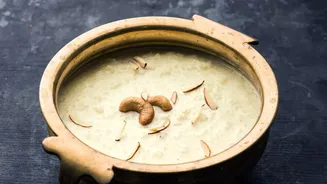
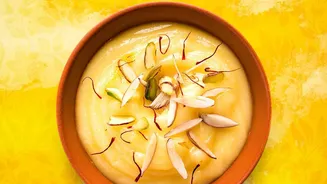
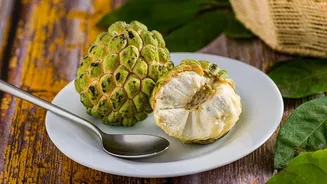
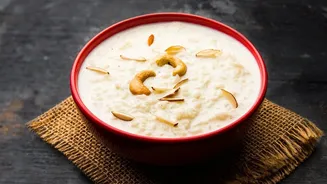
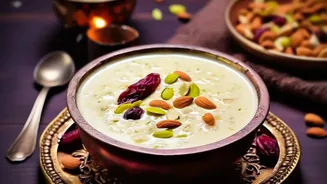
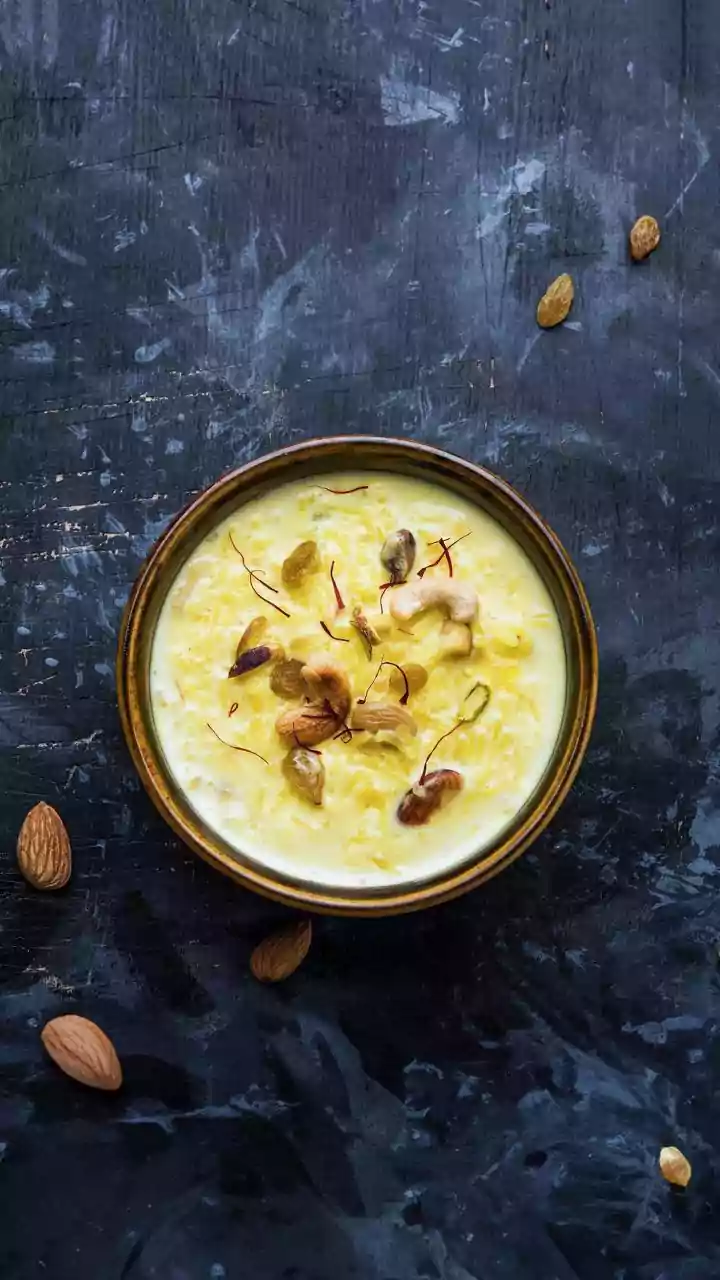
Phirni, a traditional North Indian pudding, is celebrated for its rich and creamy consistency. Made from ground rice, milk, and sugar, it’s a comforting dessert enjoyed across the country, especially during festivals. The Sitaphal, or custard apple, variation
elevates this classic by introducing a delicate, fruity sweetness that has become a seasonal favourite. The goal is always a smooth, velvety pudding where the fruit flavour is distinct and vibrant. However, achieving this perfect harmony depends entirely on a simple but non-negotiable rule: patience. The fruit must wait until the phirni base is no longer hot.
The Science of Cooling
The primary reason for adding sitaphal pulp to a cooled phirni base is to prevent the milk from curdling. Milk is composed of proteins, primarily casein, that are stable in their normal state. However, when heat and acid are introduced simultaneously, these proteins can denature and clump together, resulting in a grainy, cheese-like texture instead of a smooth pudding. Many fruits, including sitaphal, contain natural acids. While not as sharp as lemon juice, the acidity is enough to react with hot milk proteins. Cooling the phirni base to room temperature stabilizes the milk proteins, making them far less susceptible to curdling when the fruit pulp is finally folded in.
Why Heat Is the Enemy of Flavour
Beyond the risk of curdling, heat also compromises the unique flavour and aroma of the custard apple. Sitaphal has a very delicate, sweet profile that can be easily diminished or altered by cooking. Adding the fresh pulp to a hot phirni base would essentially 'cook' the fruit, dulling its vibrant taste and potentially giving the dessert a stewed or over-processed flavour. To preserve that signature fresh-fruit essence that makes Sitaphal Phirni so special, it is essential to incorporate the pulp without applying any further heat. This ensures every spoonful delivers the authentic, uncooked taste of the fruit itself.
Perfecting Your Pulp and Process
The process begins long before you mix. Preparing the sitaphal involves carefully scooping out the flesh and meticulously deseeding it. Mashing the pulp gently ensures you retain some of its natural texture. Once your phirni base—the cooked mixture of ground rice, milk, and sugar—is ready, it should be taken off the heat. Expert chefs recommend stirring it continuously as it cools to prevent a skin from forming on top. This 'massaging' of the phirni ensures a consistently smooth texture throughout. Once the base has reached room temperature and thickened slightly, it's finally ready for the fruit.
The Art of Gentle Incorporation
When both the phirni base and the sitaphal pulp are cool, the final step is simple. Gently fold the fruit pulp into the rice pudding until it is just combined. Avoid vigorous over-mixing, which can break down the delicate structure of both the phirni and the fruit. The goal is to have the pulp evenly distributed, creating a harmonious blend of creamy pudding and sweet fruit. After mixing, the phirni should be poured into serving bowls, traditionally earthen 'sakoras', and chilled in the refrigerator for at least a couple of hours. Chilling not only enhances the flavours but also allows the phirni to set to its final, perfect consistency.