




Understanding Karat and Purity
The term 'karat' (K) is the unit used to measure the purity of gold. The system is based on a scale of 24 parts. In this scale, 24K represents the purest form of gold available, containing 99.9% or more pure gold with negligible to no other metals mixed
in. Consequently, 22K gold consists of 22 parts gold and 2 parts of other metals, making it approximately 91.67% pure gold. This remaining 8.33% is a mix of alloys like copper, silver, nickel, or zinc, which are added to enhance the metal's properties.
24K Gold: The Investment Standard
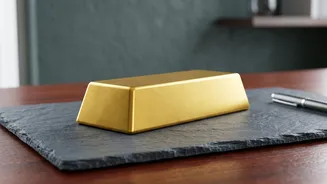
With its 99.9% purity, 24K gold is the ultimate standard for investment. Its value is directly tied to the global market price of pure gold, making it the preferred choice for coins, bars, and other forms of bullion. The colour is a rich, vibrant yellow, a characteristic of its pure form. However, this purity comes with a significant drawback: softness. 24K gold is highly malleable and prone to scratching, bending, and deforming, which makes it largely impractical for regular-wear jewellery that needs to withstand daily life.
22K Gold: The Jewellery Champion
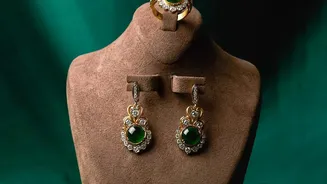
For crafting jewellery, 22K gold is the overwhelming favourite in India and many other parts of the world. The addition of other metals in a 22K alloy provides much-needed strength and durability. This hardness ensures that intricate designs hold their shape, clasps remain secure, and any embedded gemstones are held firmly in place. While 24K gold is too soft for detailed craftsmanship and daily wear, 22K gold strikes an ideal balance, offering high gold content with the resilience required for ornaments like bangles, necklaces, and earrings.
Durability and Design Considerations
When it comes to longevity, especially for pieces worn frequently, the difference is stark. A 24K gold ring would likely lose its shape and show scratches very quickly. In contrast, 22K gold is significantly more resistant to wear and tear, ensuring that your treasured pieces last for generations. This durability is precisely why jewellers can create more complex and delicate patterns with 22K gold, as the metal is strong enough to support the design. Therefore, for any piece intended for regular use, from rings to chains, 22K gold is the far more practical and reliable option.
Cost and Resale Value
Naturally, 24K gold is more expensive per gram than 22K gold due to its higher content of pure gold. When buying jewellery, however, the final price includes not just the value of the gold but also making charges, which can vary significantly. When it comes to selling, the calculation can be complex. While 24K gold as an investment bar or coin will fetch a price closer to the current market rate for pure gold, jewellery often involves deductions for making charges. However, 22K gold jewellery holds its value well, especially in markets where craftsmanship is appreciated, making it a sound purchase both for its beauty and long-term worth.
Don't Forget the Hallmark
Regardless of whether you choose 22K or 24K, ensuring the purity of your purchase is paramount. In India, the Bureau of Indian Standards (BIS) Hallmarking scheme is mandatory for gold jewellery. This hallmark certifies the purity of the gold and assures the consumer they are getting what they paid for. A typical BIS hallmark on 22K gold will include a '916' stamp, indicating 91.6% purity. Always look for the BIS logo and purity mark on any gold item you buy.