






What Exactly Is a Push Pull Legs Split?
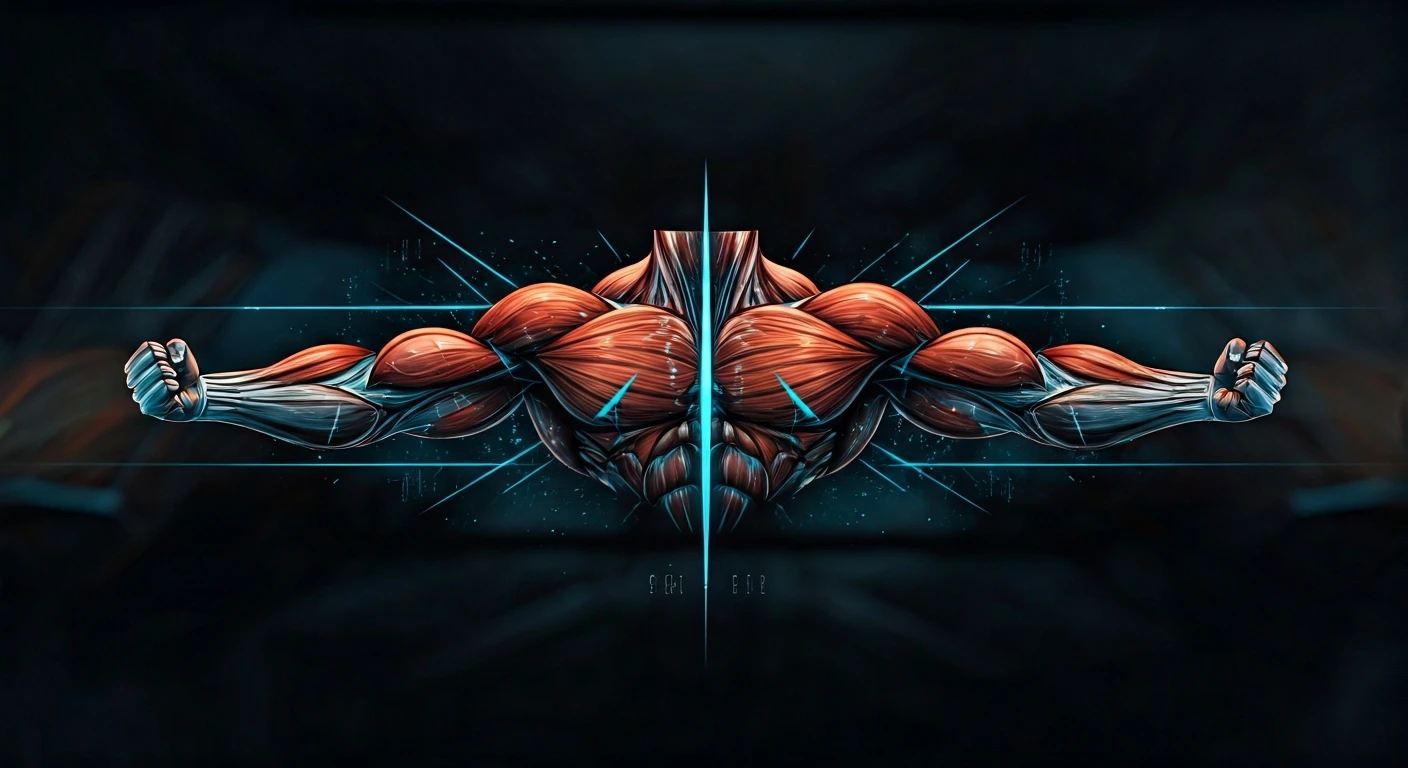
The Push Pull Legs (PPL) routine is a straightforward and popular way to structure workouts. It divides your training days by movement pattern. On a “Push” day, you train the upper body muscles used in pushing motions: your chest, shoulders, and triceps.
A “Pull” day targets the muscles used for pulling: your back and biceps. Finally, “Leg” day is dedicated to your entire lower body, including quads, hamstrings, glutes, and calves. This structure is logical and ensures that while one set of muscles works, the others get to rest, which is crucial for recovery and growth.
The Argument for PPL: Why It's So Popular
One of the biggest advantages of a PPL split is its flexibility; it can be adapted for three, four, five, or even six training days a week. This split allows you to focus on specific muscle groups with enough volume to stimulate growth, while also giving each muscle group ample time to recover—often 48-72 hours. Many find the structure simple and easy to follow, which helps with consistency. Because the workouts often prioritize compound exercises like squats and bench presses, it's an effective way to build a solid foundation of strength and muscle.
The Potential Downsides for a Newcomer
While PPL has its benefits, it may not be the ideal starting point for an absolute beginner. A common PPL schedule involves training six days a week to hit each muscle group twice, which can be a significant time commitment and potentially lead to burnout for someone new to the gym. Recovery can also be demanding with such high frequency. For a beginner, the most critical goals are learning proper exercise form and building a consistent habit. Some experts argue that a routine with higher frequency for each muscle group (like three times a week) is better for motor learning and developing a strong base.
How Does PPL Compare to a Full-Body Routine?
For many beginners, a full-body workout split is considered the gold standard. Typically performed three times a week on non-consecutive days, this approach has you train all major muscle groups in every session. The main advantage is frequency; you practice key movements like squats, presses, and rows three times a week, which helps solidify good technique. A PPL split, even a three-day version, only trains each muscle group once a week, which might be less optimal for a novice. While a full-body routine is excellent for building a foundation, PPL allows for more focused volume on each muscle group per session, making it a great option once you've graduated from the beginner phase.
The Verdict: Is PPL Right for You as a Beginner?
So, should you start with Push Pull Legs? The answer is: it depends, but probably not. While a three-day-per-week PPL routine can work for beginners, most experts recommend starting with a 2-3 day full-body routine for the first few months. This approach is less overwhelming, builds a strong foundation, and prioritizes consistency and form. A full-body routine ensures you hit every muscle group frequently, which is ideal for learning the movements.
Think of PPL as the perfect next step. After a few months of consistent full-body training, once you've built a habit and are comfortable with the main lifts, transitioning to a 4, 5, or 6-day PPL or Upper/Lower split can be an excellent way to increase training volume and focus on building muscle and strength.