



Prepare Your Vehicle for the Rain
A safe trip to the Western Ghats begins before you even start the engine. The monsoon demands your vehicle be in peak condition. First, inspect your tyres for adequate tread depth. Worn tyres are a major risk on slippery ghat roads. Next, get your brakes
checked; the steep descents will put them under immense strain. Finally, ensure your wiper blades are new and effective, as visibility can drop to near-zero in a heavy downpour. Check that all your lights, especially fog lamps, are working perfectly. A clean windscreen, both inside and out, will also significantly reduce glare from oncoming traffic in the rain.
Choosing Your Route and Timing
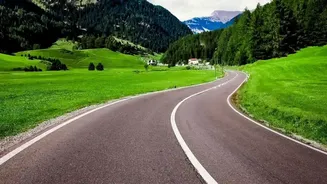
The drive from Bangalore to Agumbe is approximately 350-380 km and takes about 7-8 hours without significant breaks. The most common route runs via Hassan and Belur (NH75 and NH-373). An alternative through Chikmagalur is slightly longer but offers stunning views of the Malnad region. Regardless of the route, starting early from Bangalore is crucial to avoid city traffic and to ensure you are not navigating the final, tricky ghat section in the dark. The roads up to the ghats are generally in good condition, but the final stretch towards Agumbe features narrow roads and sharp hairpin bends that demand careful, patient driving.
Essential Packing for a Monsoon Drive
Packing smart can make all the difference. Prioritize quick-drying synthetic clothing over cotton and denim, which stay damp in high humidity. A lightweight waterproof jacket is more practical than an umbrella in windy conditions. For your feet, choose waterproof sandals or trekking shoes with excellent grip. Inside the car, keep an emergency kit with a first-aid box, basic tools, and a puncture repair kit. A power bank for your phone is a must, as is a physical map, since GPS signals can be unreliable in the dense forest. Don't forget to pack snacks and water, as amenities become scarce once you enter the ghats.
Safely Navigating the Agumbe Ghat
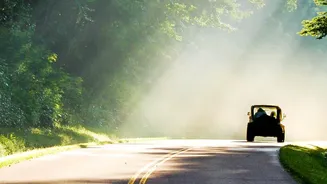
The drive up the Agumbe Ghat is exhilarating but requires your full attention. The road is narrow with several sharp hairpin bends. Always stick to your lane, honk on blind turns, and maintain a moderate speed to prevent skidding. It is crucial to use engine braking by shifting to a lower gear on steep descents instead of constantly using the brakes, which can cause them to overheat and fail. Maintain a safe distance from the vehicle ahead, as braking distances are longer on wet surfaces. Be aware that authorities may restrict heavy vehicle movement during peak monsoon to prevent landslides, which can affect traffic flow.
Iconic Photo Spot: Sunset View Point
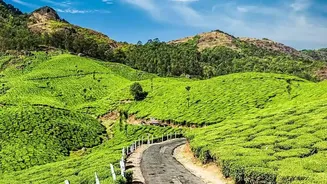
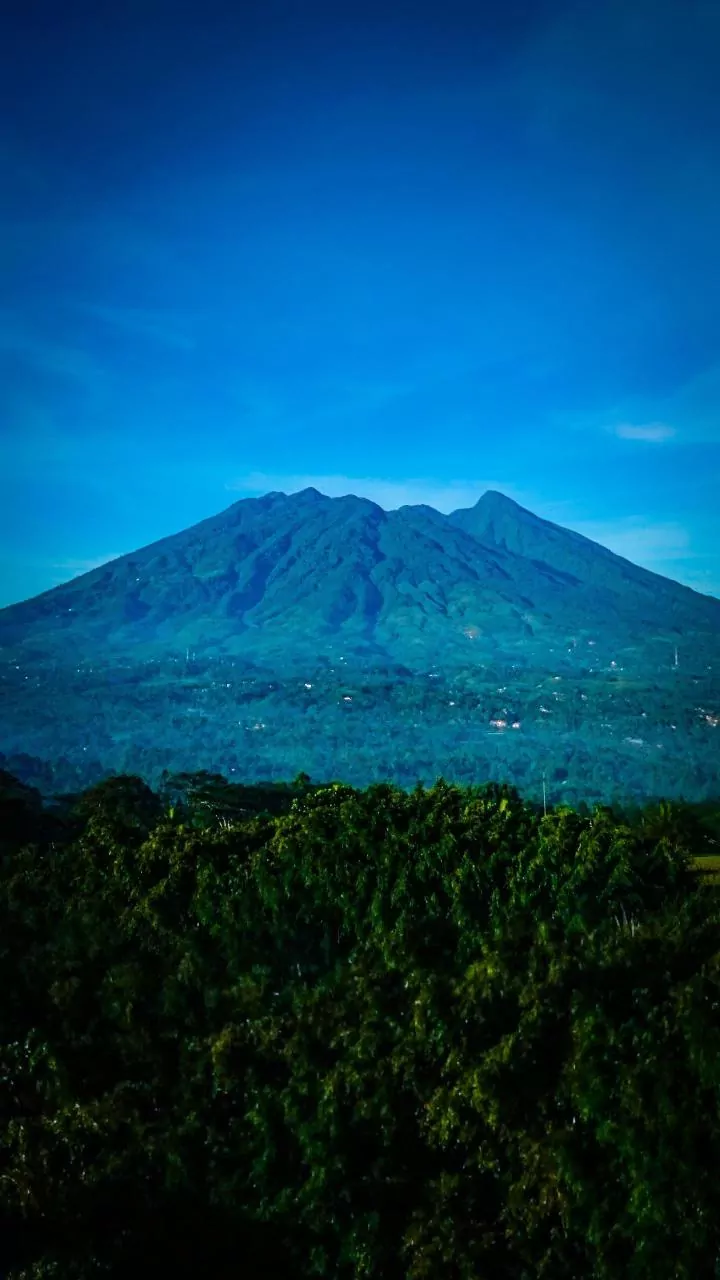
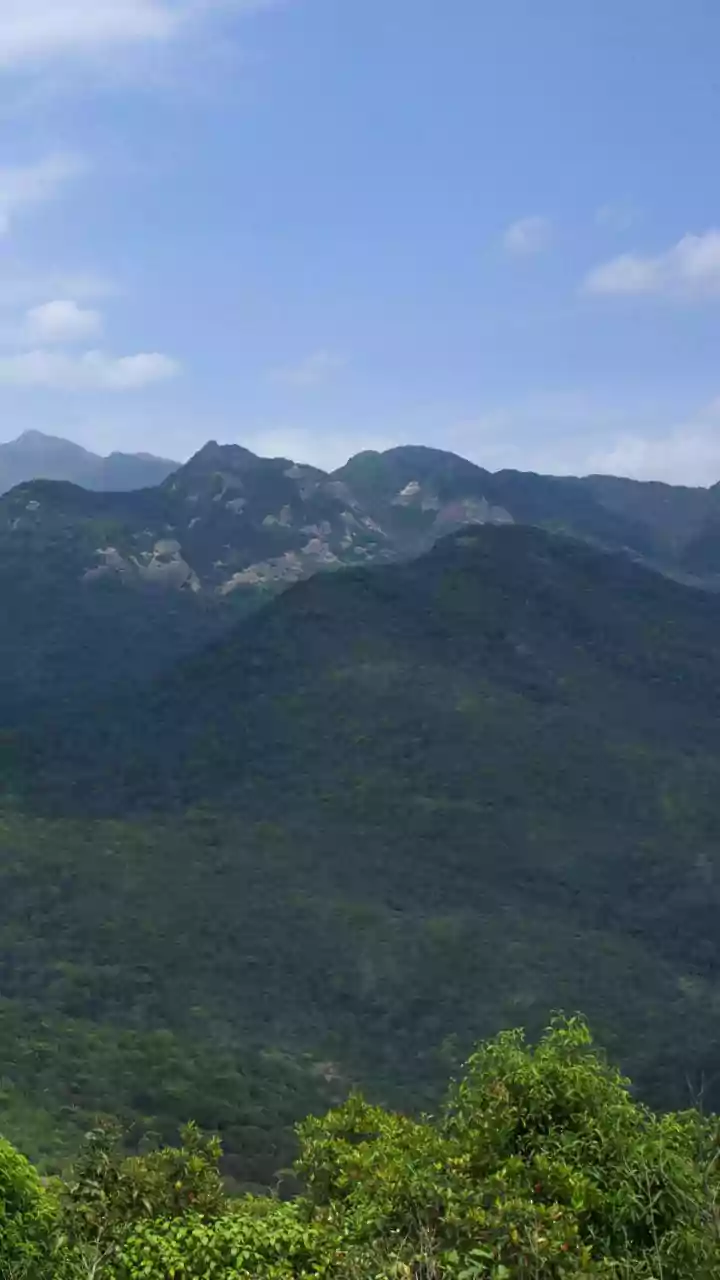
Agumbe's most famous location is the Sunset View Point, which offers a breathtaking panorama of the Western Ghats. During the monsoon, you may not always get a clear sunset, but the view of the mist-laden valleys and clouds rolling in is a dramatic and worthy photographic subject in itself. On a clear day, you might even spot the distant Arabian Sea. This spot is easily accessible and a must-visit for any photographer. The best light is often in the early morning or late afternoon when the atmosphere is at its most dynamic.
Chasing Waterfalls for the Perfect Shot
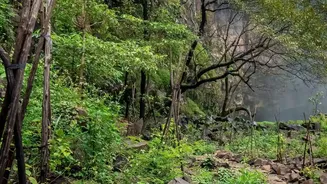
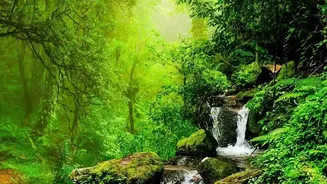
The monsoon feeds Agumbe's numerous waterfalls, turning them into roaring spectacles. Key falls to visit include Barkana Falls, one of Karnataka's tallest, and the multi-tiered Onake Abbi Falls. Jogi Gundi falls is another beautiful spot, named after a meditating saint. Reaching some of these falls, like Onake Abbi, requires a trek through the dense, slippery rainforest, so wear appropriate footwear and be prepared for leeches. These treks offer fantastic opportunities for macro photography, capturing the vibrant frogs, insects, and fungi of the rainforest.
Capturing the Rainforest's Soul
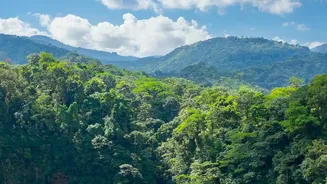
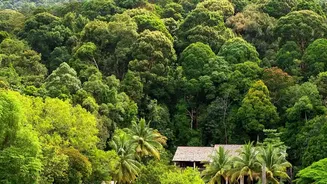
Beyond the designated viewpoints, the entire Agumbe region is a photo opportunity. The drive itself, with roads cutting through thick green canopy and misty landscapes, provides endless chances for stunning shots. This area is known as the 'King Cobra Capital of India', and the Agumbe Rainforest Research Station (ARRS) does vital work here. While a casual visit might not guarantee a cobra sighting, the rich biodiversity, from rare birds to colourful insects, makes a guided walk through the forest trails an unforgettable experience for any nature photographer.