


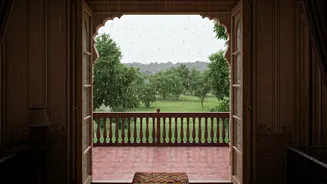



Challenging the Desert Myth
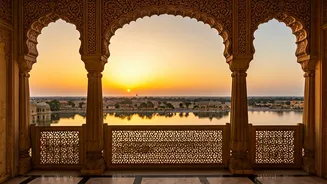
When you picture Rajasthan, you likely imagine shimmering heat, golden sand dunes, and sun-baked forts. While that image holds true for much of the year, July flips the script entirely. The arrival of the southwest monsoon breaks the intense summer heat, bringing
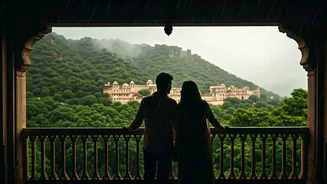
welcome showers and a dramatic drop in temperature. While it's still warm, with daytime temperatures often between 30°C and 38°C, the climate is far more pleasant than the scorching months of May and June. The rain is typically not a constant downpour but rather intermittent showers that wash the dust from the air, leaving everything fresh, vibrant, and alive. This is Rajasthan's secret season, a time when the state reveals a softer, greener, and surprisingly romantic side.
A Kingdom in Bloom
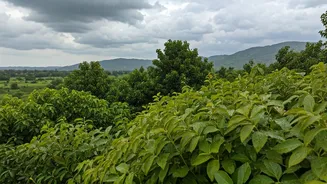
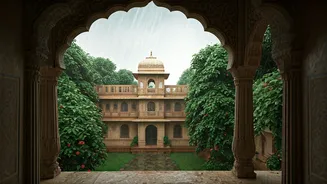
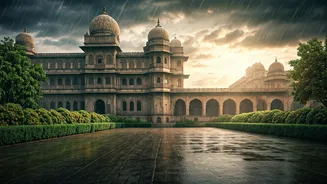
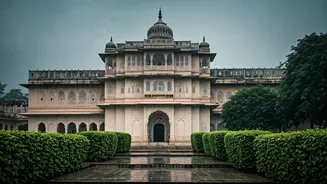
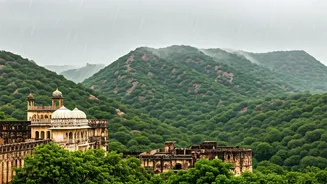
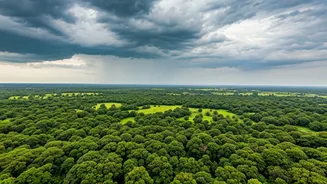
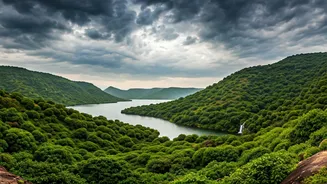
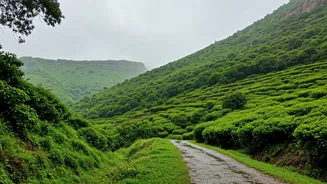
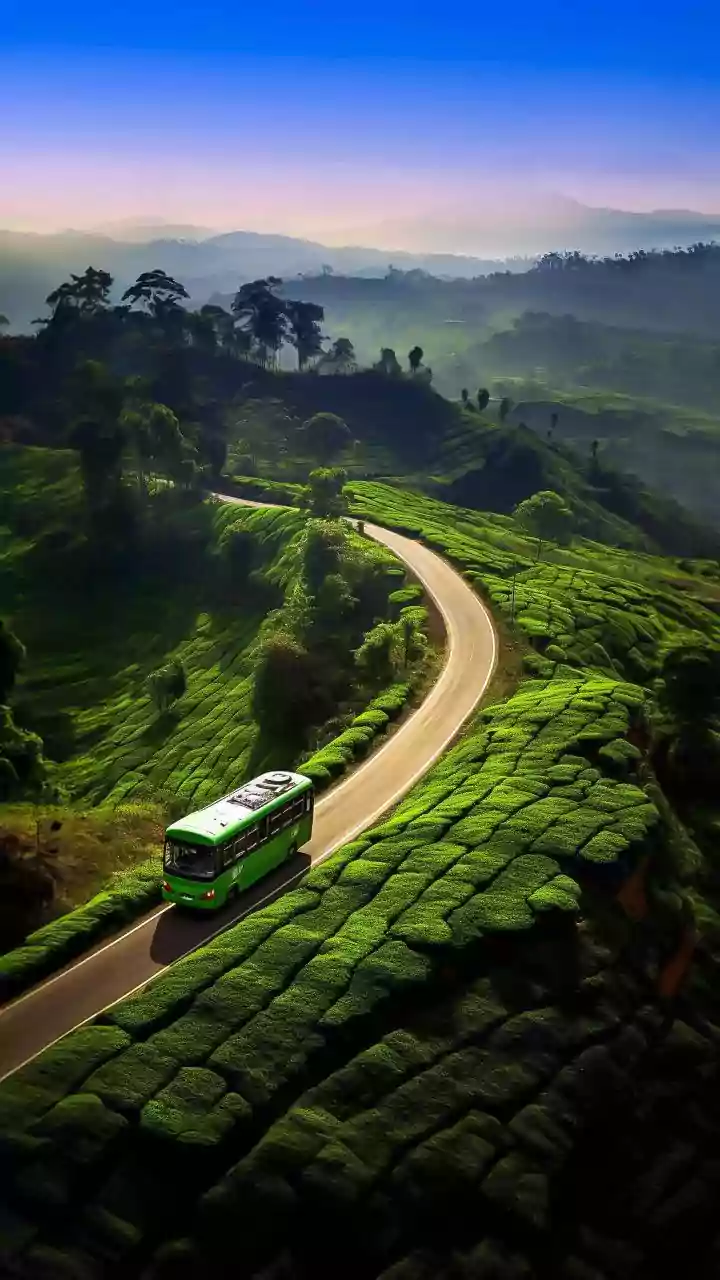
The most startling change in July is the visual transformation of the landscape. The arid Aravalli Hills, brown and weary from the summer, suddenly burst into a verdant carpet of green. Seasonal waterfalls, hidden during the dry months, come to life in places like Bundi, Kota, and the outskirts of Udaipur. This is the time for photographers and nature lovers, as the contrast of ancient, colourful forts against a backdrop of dramatic monsoon clouds and lush greenery is nothing short of breathtaking. Driving between cities like Udaipur and Mount Abu becomes a scenic journey through misty hills and verdant countryside, a far cry from the desert stereotype. It’s an opportunity to see the land of kings in a way that few tourists ever do.
Udaipur: The Monsoon's Crown Jewel
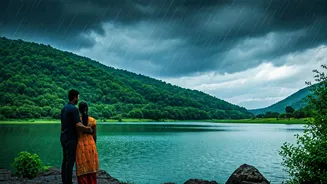
While many parts of Rajasthan become beautiful, Udaipur arguably becomes the star of the show. Known as the 'City of Lakes', its interconnected water bodies, like Lake Pichola and Fateh Sagar Lake, swell with rainwater. A boat ride on the replenished lakes offers magical views of the rain-washed City Palace and the iconic Lake Palace, which seems to float ethereally on the water. The aptly named Sajjangarh, or Monsoon Palace, perched high on a hill, provides panoramic views of the entire city enveloped in low-hanging clouds. The entire city takes on a romantic, misty ambience that has made it a legendary monsoon destination for those in the know.
Exploring Beyond the Obvious
July is the perfect time to explore destinations that are often overshadowed. Bundi, for instance, is considered a spectacular monsoon town with its famous stepwells filling with water and waterfalls cascading nearby. As Rajasthan’s only hill station, Mount Abu offers a cool, misty escape, with its Nakki Lake and lush green trails providing a refreshing break. Even Jaipur, the Pink City, becomes more enjoyable with cooler temperatures and fewer people at major sites like Amer Fort. For wildlife enthusiasts, while the core zones of parks like Ranthambore may be closed, buffer zones often remain open for safaris.
Festivals and Off-Season Perks
A trip in July often coincides with the vibrant festival of Teej, which celebrates the arrival of the monsoon. In cities like Jaipur, you can witness grand processions, with women in colourful green and red attire, singing folk songs and swinging on decorated jhulas (swings). Hariyali Teej in 2026 is expected to be a major event in Jaipur around July 27th. Beyond the cultural immersion, there are significant practical advantages. July is firmly in the off-season, which means fewer tourists at major attractions, allowing for a more relaxed and intimate experience. This also translates into significant savings, with hotels and even flights often available at a fraction of their peak winter prices, sometimes 25-40% cheaper.