




Understanding the Sattvik Philosophy
Rooted in Ayurveda, a Sattvik diet is based on foods that are pure, natural, and easy to digest. The word 'Sattva' itself means purity, harmony, and balance. This approach to eating focuses on fresh, seasonal, and lightly cooked vegetarian foods that are believed
to nourish the body without taxing the digestive system. It avoids foods classified as 'Rajasic' (stimulating, like spicy or oily items) and 'Tamasic' (heavy or dull, like processed or leftover meals), which can cause agitation or lethargy. The goal is to consume food that is rich in 'prana' or life force, promoting mental clarity, emotional balance, and physical vitality.
Why Fasting Can Disrupt Digestion
When you fast for long hours, your stomach continues to produce acid. With no food to process, this acid can lead to heartburn, discomfort, and a feeling of uneasiness. Breaking the fast with heavy, oily, or sugary foods can further shock the system, causing bloating, gas, and sluggishness. Many traditional 'vrat' snacks, while delicious, are often deep-fried or high in carbohydrates, which can be hard on an empty stomach. Furthermore, inadequate hydration during fasting periods can slow down digestion and lead to constipation.
Sattvik Principles for a Gentle Fast
The core principles of Sattvik cooking are perfectly suited to counter the challenges of fasting. The emphasis is on foods that are naturally light and easy for the body to break down. This means choosing steamed, boiled, or lightly roasted preparations over fried ones. A Sattvik diet naturally avoids processed items, excessive salt, and strong spices, which are common triggers for acidity. Instead, it uses rock salt (sendha namak) and mild, fragrant spices like coriander, cumin, and ginger that aid digestion. By focusing on whole, unprocessed ingredients, a Sattvik meal provides sustained energy without the crash that comes from refined sugars and carbohydrates.
Nourishing Foods for Your Fasting Plate
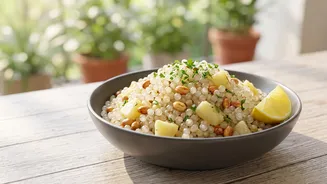
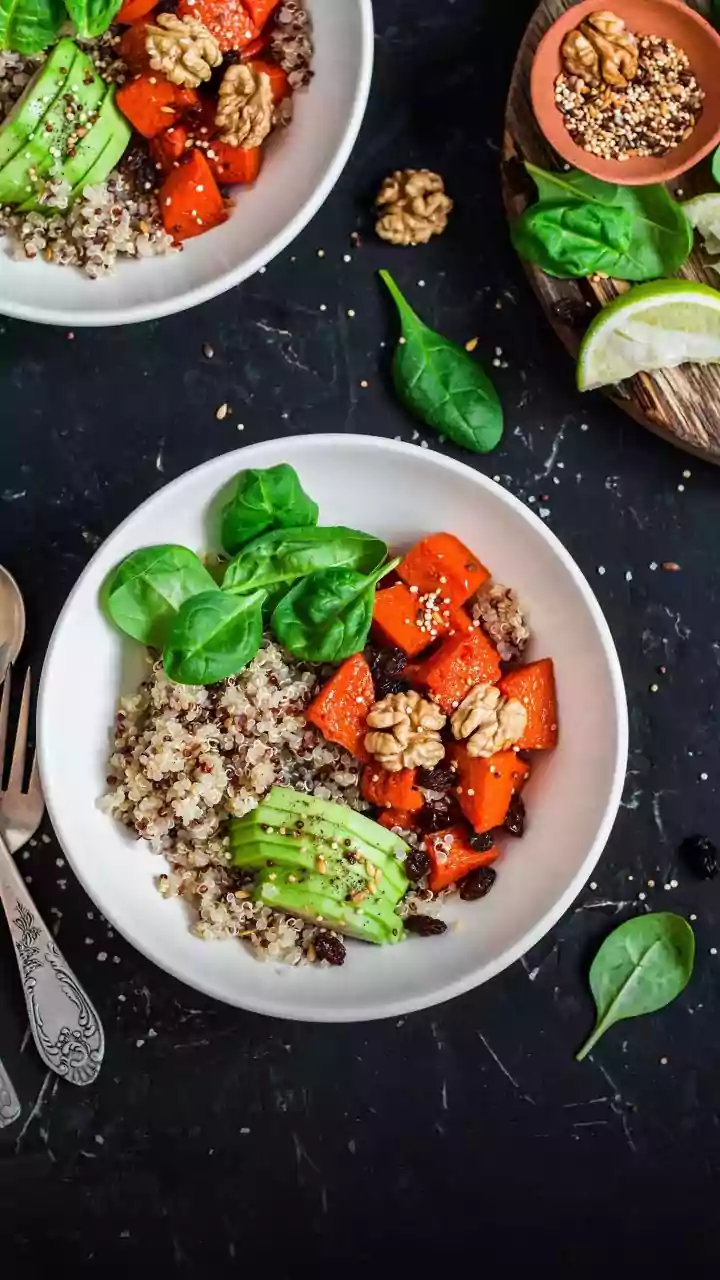
Building a Sattvik fasting meal is simple. Focus on incorporating a variety of textures and food groups. Good options include fruits like bananas and melons, which are soothing for the gut, rather than highly acidic citrus fruits. For grains, turn to fasting-friendly choices like buckwheat (kuttu), amaranth (rajgira), and water chestnut flour (singhara atta). Vegetables like sweet potatoes, pumpkin, and bottle gourd are excellent. For protein and healthy fats, include nuts, seeds, and dairy products like paneer and yogurt, which are considered Sattvik when sourced and consumed fresh. These foods provide essential nutrients to keep you full and prevent the weakness often associated with fasting.
The Importance of Hydration and Mindful Eating
Hydration is key during any fast. A Sattvik approach encourages sipping on warm water, coconut water, buttermilk, or herbal teas throughout the day to maintain fluid balance and aid detoxification. This prevents the digestive system from becoming sluggish. Equally important is the practice of mindful eating. Instead of having one large meal, a Sattvik fast is better managed with smaller, more frequent meals. This prevents the stomach from being overloaded. Eating slowly and chewing your food thoroughly gives your digestive system a better chance to work efficiently, reducing the likelihood of gas and bloating.