

Why Your First Trek Should Be Guided
Opting for a guided trek is the single most important decision for a first-timer. A professional trekking company handles all the logistics that can feel overwhelming, from permits and transportation to food and accommodation. More importantly, they provide
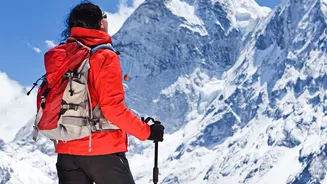
a support system on the mountain. Your crew will typically include a certified lead guide who knows the terrain and weather patterns, a cook, and porters or mules to carry the bulk of your gear. This leaves you free to carry just a small daypack with essentials like water, snacks, and a jacket. Most critically, guides are trained in high-altitude safety, capable of recognizing early signs of altitude sickness and ensuring a safe, gradual ascent. They manage the pace, know the evacuation routes, and carry essential safety equipment, allowing you to focus on the incredible experience.
The Classic Summit: Kedarkantha Trek
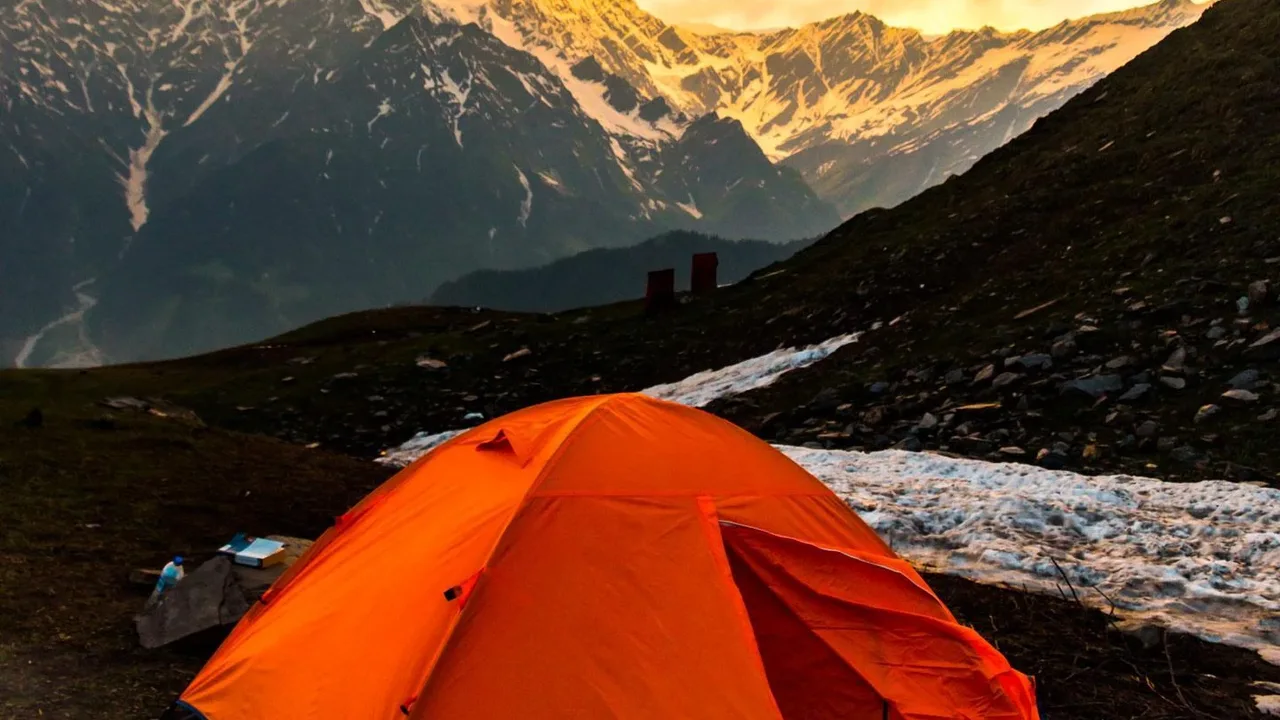
Often called the quintessential beginner's summit trek, Kedarkantha in Uttarakhand offers the thrill of reaching a 12,500-foot peak without requiring technical skills. The trek is typically a six-day journey, starting from the village of Sankri, with four days of actual walking. Its popularity stems from a gradual ascent profile that aids acclimatisation and makes it accessible to reasonably fit novices. The trail winds through dense pine forests, opening up to the serene Juda Ka Talab lake before reaching the base camp. The summit day is challenging but immensely rewarding, offering a breathtaking 360-degree panorama of famous Himalayan peaks. While beautiful year-round, it's particularly famous as a winter trek (December to March) when a blanket of snow creates a magical landscape.
The Valley of Gods: Har Ki Dun
If a mythological, culture-rich valley walk appeals more than a summit climb, Har Ki Dun is an unparalleled choice. Also located in Uttarakhand, this 'cradle-shaped' valley is steeped in folklore and offers stunning views of peaks like Swargarohini. Graded as easy-to-moderate, the trek covers about 37-53 kilometres over seven days. The trail is well-defined and follows the Supin River through ancient villages, offering a glimpse into a unique way of life. While it doesn't involve a steep summit push, the daily distances can be long, making it a test of endurance rather than climbing skill. Its relatively gradual ascent makes it suitable for beginners and families, though some tour operators rate it as moderate due to the trek's length and some tricky sections. The best seasons are from April to June and September to October.
The Meadow Marvel: Dayara Bugyal
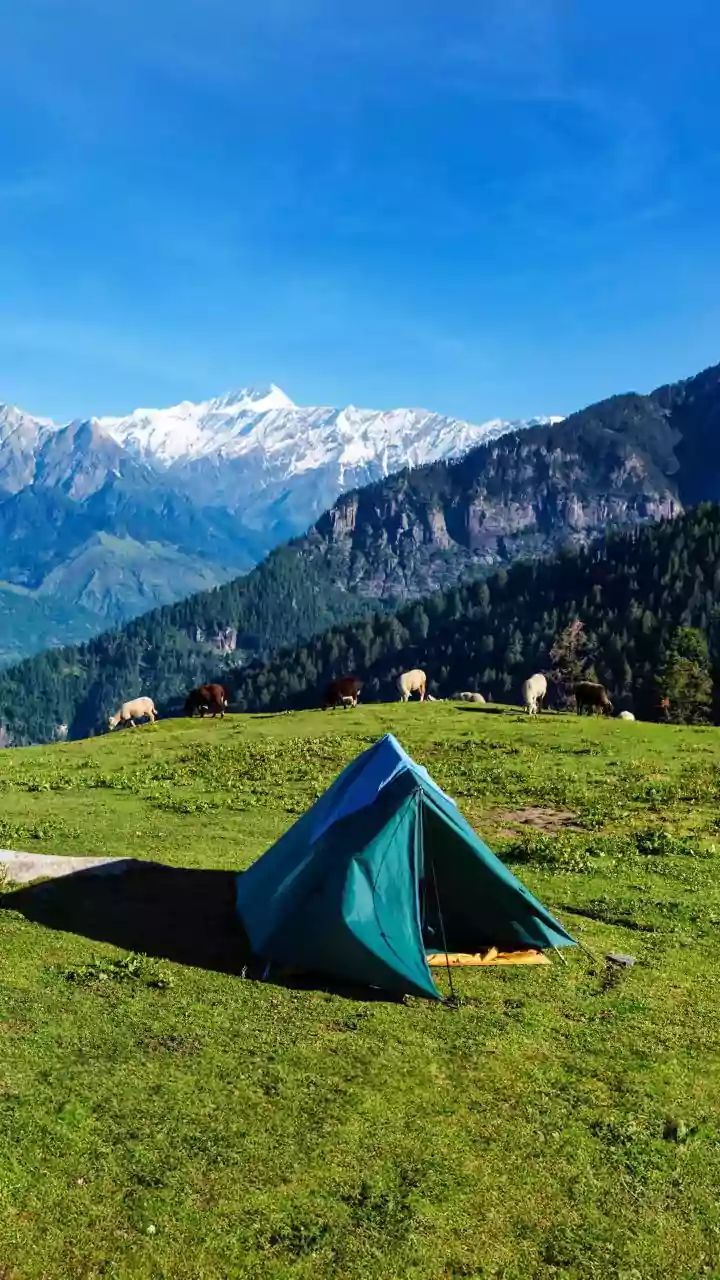
For those who dream of vast, rolling alpine meadows with a Himalayan backdrop, the Dayara Bugyal trek is a perfect entry point. 'Bugyal' means high-altitude meadow in the local dialect, and Dayara is considered one of the most beautiful in India. Located in Uttarakhand, this trek is rated easy-to-moderate and is ideal for first-timers and families. The journey usually spans four to six days, covering around 22 kilometres and reaching a maximum altitude of about 11,181 feet. The trek involves no technically difficult sections, steep climbs, or risky river crossings, making it a safe and enjoyable introduction to the high mountains. Trekkers are rewarded with stunning views of peaks like Bandarpoonch and Gangotri. The trail is accessible for most of the year, offering lush green landscapes in summer and snow-covered vistas in winter.