





The Persistent Problem with Pantry Food
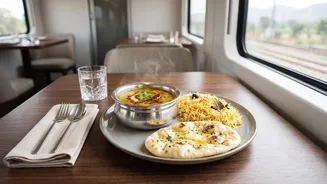
Complaints about train food are almost as old as the railway network itself. Passengers frequently report issues ranging from subpar quality and taste to serious hygiene lapses and overcharging by vendors. Despite numerous attempts at reform over the years,
including detailed maintenance schedules prescribed back in 2011, incidents continue to tarnish the image of the national transporter. In recent years, thousands of official complaints have been filed annually regarding poor food quality. These grievances, amplified on social media, highlight a systemic challenge in delivering consistent, safe, and palatable meals to the approximately 58 crore passengers served on average each year.
A New Chapter of Accountability
In a significant move to tackle these long-standing issues, Indian Railway Catering and Tourism Corporation (IRCTC) has partnered with the Quality Council of India (QCI) to conduct independent, third-party audits. This strategic alliance aims to enforce stricter compliance with Food Safety and Standards Authority of India (FSSAI) regulations. Under the new system, certified QCI professionals will carry out intense, unannounced inspections across the network, covering base kitchens, on-board pantry cars, and station vending stalls. This shift towards independent oversight is designed to eliminate bias and bring a new level of scrutiny to catering operations.
Technology-Driven Transparency
A key pillar of the new initiative is the use of technology to ensure transparency and prevent data tampering. Auditors will use a mobile application to record their findings, with mandatory geo-tagging, time-stamps, and photographic evidence. This digital infrastructure means audit reports must be submitted within 24 hours, allowing for prompt identification of shortcomings and swift corrective action against vendors. Furthermore, Indian Railways has been expanding the use of QR codes on food packets, which allow passengers to see details like the kitchen of origin and the date of packaging, enhancing traceability and accountability. CCTV cameras in base kitchens for real-time surveillance are another measure being implemented to monitor food preparation.
Beyond Inspections: A Multi-Pronged Approach
The stepped-up inspections are part of a broader strategy to overhaul railway catering. This includes the deployment of Food Safety Supervisors in base kitchens, regular deep-cleaning and pest control in both kitchens and pantry cars, and the use of high-quality, branded raw materials. Following recent fire incidents, special joint inspection drives focusing on fire safety in pantry cars have also been launched, ensuring that electrical and heating equipment is not tampered with. While full cooking with flames is prohibited in pantry cars for safety reasons, railways have allowed for flameless cooking methods to ensure food supply during disruptions. These comprehensive measures, from supply chain to service, aim to create a safer and more hygienic environment.
Will This Time Be Different?
Skeptical passengers might point out that this is not the first crackdown on poor catering. However, the current push combines stricter enforcement with modern tools. The introduction of an independent auditing body like QCI, coupled with a digital trail for every inspection, marks a departure from previous internal reviews. The focus on punitive action is also clear, with IRCTC levying significant fines, terminating contracts, and debarring defaulting licensees in recent years. The effectiveness of this renewed effort will ultimately depend on consistent, rigorous implementation across all railway zones and the continued empowerment of passengers to report issues through platforms like Rail Madad.