



Understanding the 'Shoulder Season' Advantage
September is what the travel industry calls a 'shoulder season'—the sweet spot between the peak and off-peak periods. For India, this means it falls right after the heavy monsoons and just before the busy festive and winter tourist rush that starts in October.
The benefits are twofold: lower demand often leads to more competitive prices for flights and hotels, and popular destinations are significantly less crowded. With schools and colleges back in session, family travel dips, making it an ideal time for couples, solo travellers, and anyone with a flexible schedule to explore without the usual hustle.
Decoding the Post-Monsoon Weather
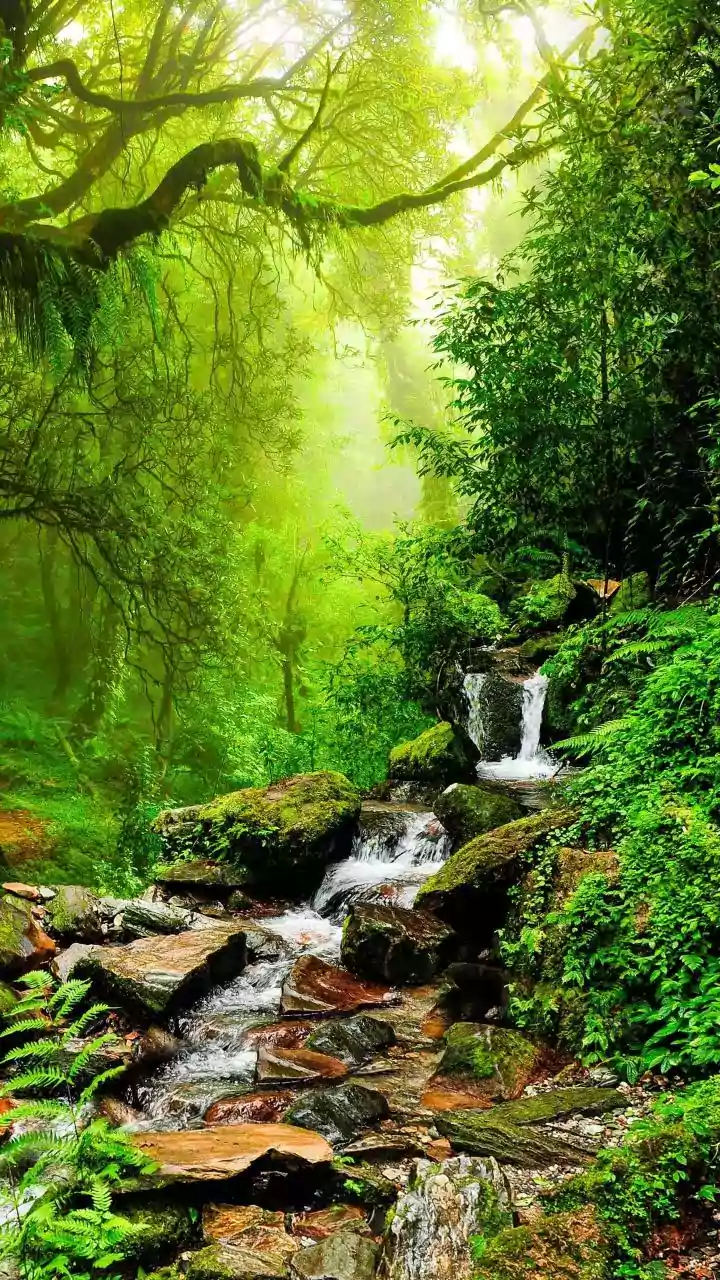
Weather is the biggest variable in September, but it’s more of an opportunity than a risk if you plan wisely. The southwest monsoon typically begins its withdrawal from northwest India in the second half of the month. This means regions like Rajasthan and the Golden Triangle (Delhi, Agra, Jaipur) see reduced rainfall and pleasant weather, perfect for sightseeing. In the south, states like Kerala and Tamil Nadu are incredibly green and rejuvenated after the rains, with many waterfalls at their peak. While coastal areas like Goa might still have some rain early in the month, the weather generally improves, offering a tranquil pre-season experience. Always check short-term forecasts before you travel to pack appropriately and plan your daily activities.
Destination Ideas for Every Traveller
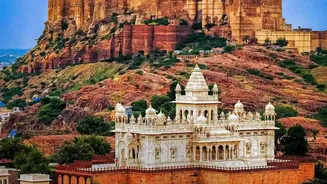
With the changing weather, different parts of the country become ideal spots for a September trip. For Mountain Lovers: The Himalayas in Uttarakhand and Himachal Pradesh become accessible again, with lush green landscapes and crisp air. Places like Rishikesh offer a mix of adventure and spirituality by the Ganges. It's also a great time for Ladakh, as the summer crowds thin out but the weather remains favourable for exploring its stunning monasteries and landscapes. For Culture and Heritage: Head to Rajasthan, where cities like Udaipur, the 'City of Lakes', are majestic post-monsoon. The weather is amenable for exploring forts and palaces without the scorching heat of summer or the crowds of winter. Recent travel data also shows a rising interest in spiritual destinations like Varanasi and Puri during this period. For Lush Greenery and Coastlines: The Western Ghats are at their scenic best. Hill stations like Coorg and Wayanad are draped in vibrant green, making them a paradise for nature lovers. While Goa and Kerala are still emerging from the monsoon, they offer a peaceful, atmospheric experience with verdant scenery and quieter beaches.
Booking Smart to Manage Demand and Costs
Lower demand in September means you can often find better deals, but it still pays to be strategic. Since it’s a shoulder month, airlines and hotels may offer discounts to attract travellers. Booking flights and accommodation a few weeks in advance is generally a good practice, but you might also find last-minute deals. Use price comparison websites to track fares. For popular attractions, especially those that can be booked online, securing your spot ahead of time is wise, even in a less crowded month. Visiting famous sites early in the morning is a great strategy to avoid the larger groups of tourists that tend to arrive later in the day.
Essential Planning and Packing Tips
Given the transitional weather, packing versatile clothing is key. Include lightweight layers, a waterproof jacket or poncho, and comfortable, sturdy footwear suitable for potentially wet conditions. An insect repellent is also a good idea, as the post-monsoon period can see an increase in mosquitoes. Always have a buffer day in your itinerary, especially if travelling to coastal or hilly regions, to account for any potential travel delays caused by lingering rain. Finally, stay updated on local weather advisories and road conditions, particularly for Himalayan destinations where post-monsoon showers can sometimes affect travel.