


Why Rework a Perfect Meal?
Dal chawal and khichdi are nourishing in their own right, offering a comforting balance of protein and carbohydrates. However, traditional preparations can sometimes be heavy on simple carbs (like polished white rice) and light on other essential nutrients
like fibre, vitamins, and minerals. With more sedentary lifestyles, there's a growing need to make every meal as nutrient-dense as possible. The goal isn't to replace these classics but to enhance them, turning a simple, comforting meal into a modern nutritional powerhouse without sacrificing the taste of home.
The Dal Chawal Upgrade
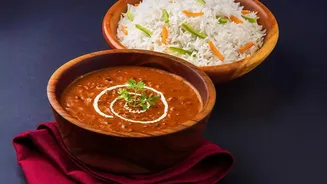
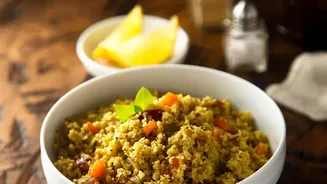
The quintessential dal chawal is wonderfully easy to elevate. Start by swapping polished white rice for whole-grain options like brown, red, or black rice, which are packed with more fibre and minerals. Millets such as ragi, jowar, or bajra are also excellent, gluten-free alternatives that boost the meal's protein and fibre content. To make your dal more robust, mix two or more types of lentils—like toor, moong, and masoor—to create a more complex protein profile. Enhance it further by adding finely chopped vegetables like spinach, carrots, or bottle gourd directly into the dal as it cooks. This simple addition boosts its vitamin and mineral content. Finally, serving your dal chawal with a side of plain curd or a simple sprout salad can add probiotics and an extra dose of protein.
Reimagining the Humble Khichdi
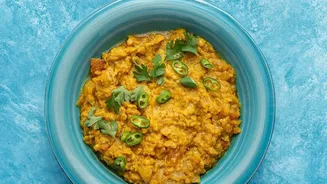
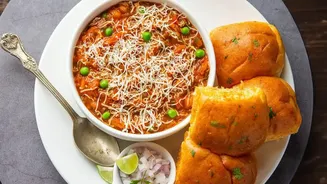
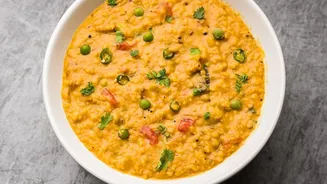
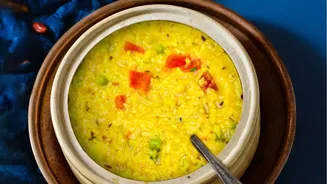
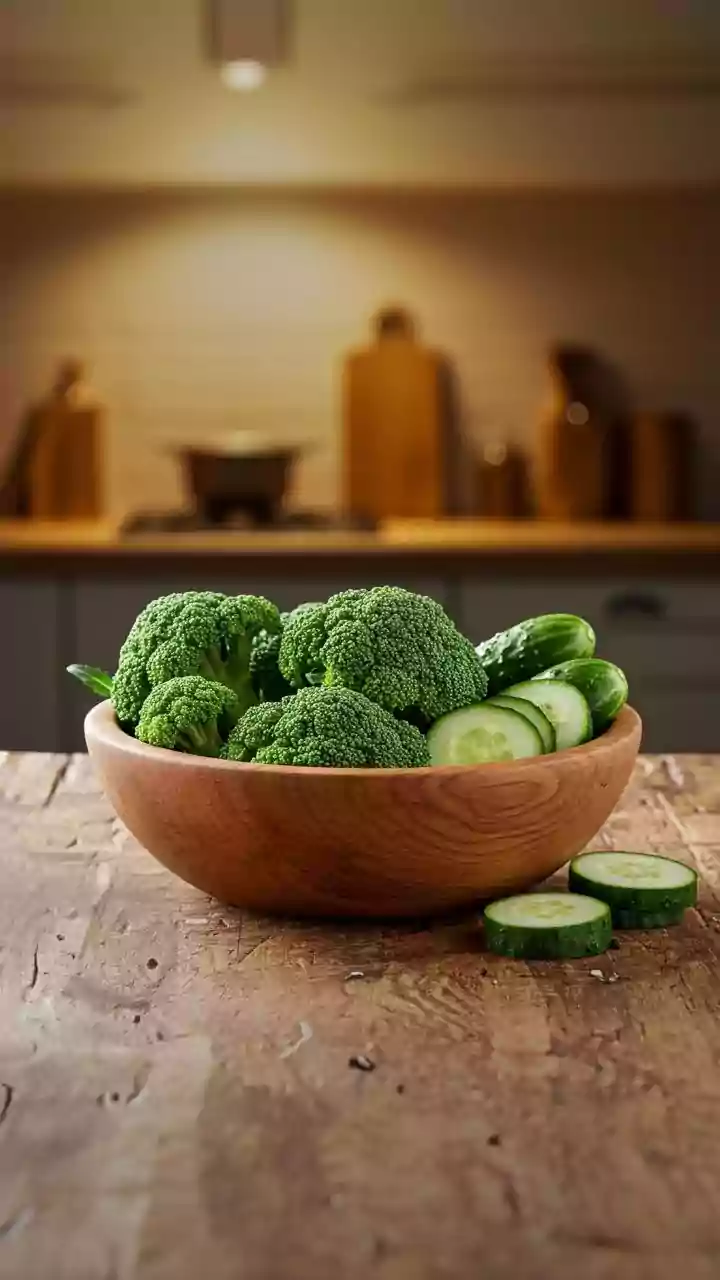
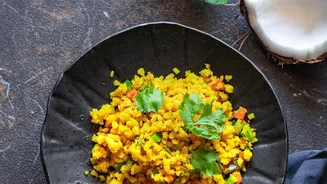
Khichdi is the ultimate comfort food, often recommended during illness for being easy to digest. A modern nutritional rework makes it even better. The most significant upgrade is replacing white rice with millets like foxtail millet (kangni) or barnyard millet (sama). Millet khichdi is higher in dietary fibre and protein and has a lower glycemic index, which helps in better blood sugar management and keeps you feeling full for longer. Don't stop there. Bulk up your khichdi with a colourful assortment of vegetables like peas, carrots, beans, and broccoli. For a substantial protein boost, you can add cubed paneer, tofu, or even soya chunks. A final tempering (tadka) with ghee, cumin seeds, and a pinch of asafoetida (hing) not only adds incredible flavour but also improves digestibility.
Smart Tweaks and Superfood Boosts
Beyond changing the main ingredients, small adjustments in your cooking technique can make a big difference. Soaking lentils for a few hours before cooking can improve nutrient absorption and reduce bloating. Pressure cooking is a great method as it retains more nutrients compared to over-boiling. You can also discreetly add Indian superfoods for an extra health kick. A spoonful of moringa powder can be stirred into dal for an iron and calcium boost, while sprinkling roasted and ground flaxseeds over your khichdi can add valuable omega-3 fatty acids. Even the spices in your tempering, like turmeric and ginger, are powerful anti-inflammatory agents that contribute to the meal's overall health benefits.