



The Undiscovered Charm of a Gujarati Monsoon
For years, the quintessential Indian monsoon getaway meant heading to the Western Ghats in Maharashtra or the hills of the north. But a quiet transformation is taking place. Gujarat, a state more known for its industry and deserts, is revealing its monsoon secrets.
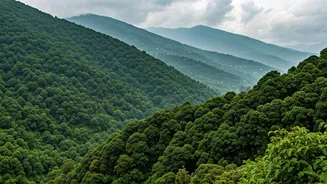
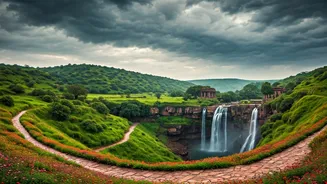
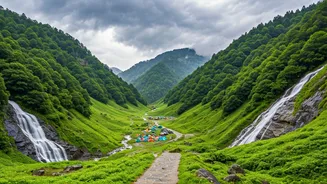
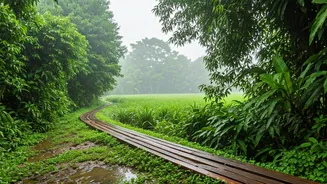
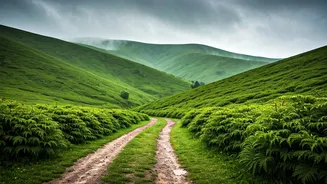
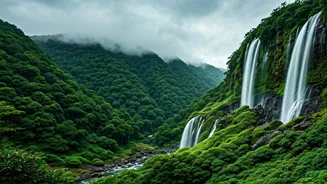
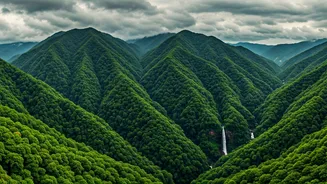
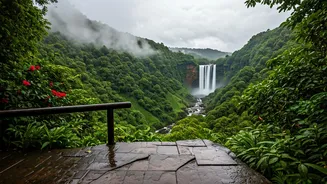
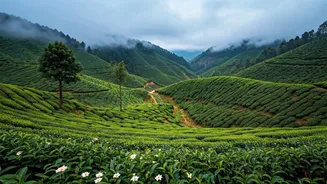
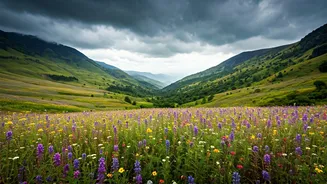
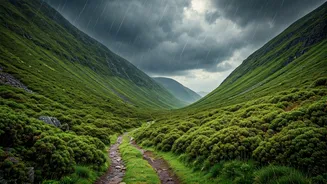
The arrival of the rains breathes life into its eastern tribal belt, turning pockets of the Sahyadri and Aravalli ranges into verdant paradises that rival more famous destinations. From July to September, the landscape is painted in a thousand shades of green, clouds hang low over the valleys, and rivers and waterfalls swell with life. This is the perfect time to explore a side of Gujarat that’s serene, beautiful, and surprisingly close to home.
Saputara: The Classic Hill Retreat
As Gujarat's only official hill station, Saputara has long been a favourite, but it's during the monsoon that it truly shines. Nestled in the Dang district, the name 'Saputara' means 'Abode of Serpents', and the area is steeped in the rich culture of the local tribal communities. During the rains, the entire region is enveloped in a cool, misty dream. The man-made Saputara Lake becomes a centrepiece for boating under a soft drizzle, while viewpoints like Sunset Point and Sunrise Point offer breathtaking, cloud-wrapped vistas. The season brings attractions like the mighty Gira Waterfalls to their full, roaring glory. For those seeking a bit of adventure, there are trekking trails, and for a bird's-eye view of the green valley, the Pushpak Ropeway is a must. The state often hosts a Monsoon Festival here, celebrating the region's unique culture and natural beauty.
Wilson Hills: A Quieter, Mistier Alternative
If Saputara is the popular choice, Wilson Hills is the serene, offbeat alternative for those who prefer peace and quiet over crowds. Located in the Valsad district, this densely forested hill station offers a more tranquil experience. It's one of the few hill stations in the world from where you can glimpse the sea on a clear day. During the monsoon, the entire area is blanketed in thick mist and the air is fragrant with the smell of wet earth. It's a place for long walks through winding roads, with viewpoints like Marble Chatri Point and Steep Valley Point offering dramatic views of the valleys below. The area is close to the Pangarbari Wildlife Sanctuary, making it a haven for nature lovers. With fewer commercial establishments, Wilson Hills retains a raw, untouched charm perfect for a reflective rainy-day drive and a cup of hot chai.
Don Hill Station: The Emerging Gem
Higher in altitude than Saputara, Don is another beautiful hill station located in the Dang district. Named after the mythological guru Dronacharya, this destination is gaining popularity among tourists seeking pristine, undeveloped landscapes. Don offers a panoramic view of the surrounding hills and is characterized by its rich biodiversity and pleasant climate, especially during the monsoon when recurring showers enhance its natural splendor. It’s a great spot for a day trip, offering a glimpse into the local tribal culture and a chance to experience nature in its purest form. The journey to Don itself is scenic, with lush forests and winding roads. While amenities are more basic compared to Saputara, its rustic charm is precisely its appeal for adventure seekers and those looking to disconnect.
Pavagadh Hills: Where Spirituality Meets Nature
For a different kind of hill experience, Pavagadh offers a unique blend of pilgrimage and natural beauty. Located near Vadodara, this hill is a UNESCO World Heritage Site, primarily known for the Kalika Mata Temple at its summit, which is a major Hindu pilgrimage destination. During the monsoon, the ancient steps and surrounding Champaner-Pavagadh Archaeological Park are washed clean, and the hills come alive with greenery and numerous small waterfalls. The ropeway ride to the temple provides stunning views of the lush landscape below. While it can be crowded with devotees, the spiritual atmosphere combined with the dramatic, rain-swept scenery creates a powerful and memorable experience. It’s a reminder that Gujarat’s hills offer not just natural beauty, but also deep cultural and historical significance.