






The New Work-from-Anywhere Wave
The remote work revolution has untethered professionals from their desks, sparking a migration from crowded cities to places that offer a better quality of life. For a growing number of digital nomads in India, the search for the perfect blend of productivity
and peace is leading them to the coast. While Goa has long been the default choice, Varkala and Gokarna are now capturing the imagination of those seeking stunning scenery, a lower cost of living, and a more relaxed pace. These towns offer a compelling proposition: why work from a cramped apartment when you can work from a cliff overlooking the Arabian Sea?
Varkala: The Social and Scenic Hub
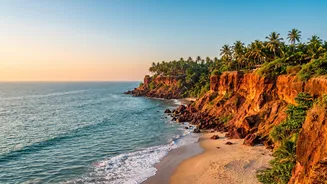
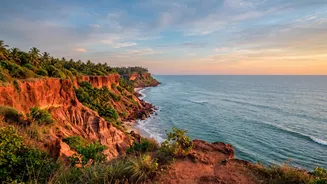
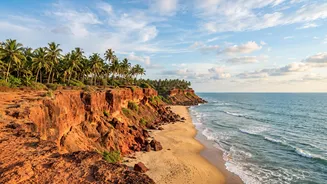
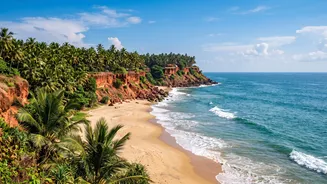
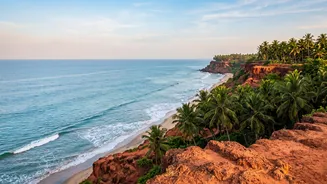
Varkala's main draw is its spectacular red laterite cliff, a unique geological feature lining the coast that is packed with cafes, guesthouses, and yoga shalas. This creates a vibrant, convenient ecosystem for remote workers. The atmosphere is social and energetic, making it easy to meet fellow travellers and digital nomads. The infrastructure is more developed than in Gokarna, with a wider range of accommodation, from budget hostels to boutique resorts. Cafes are plentiful, and many explicitly welcome laptop-wielding patrons, offering not just a power outlet but also a sense of community. It's the ideal spot for those who want the beach life combined with social buzz and modern comforts.
Gokarna: The Rustic, Spiritual Retreat
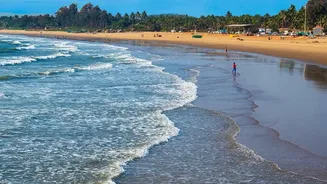
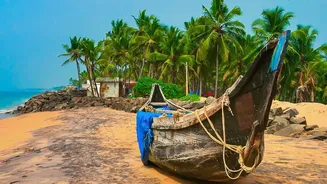
If Varkala is a social butterfly, Gokarna is its introspective, bohemian cousin. Known for its sacred temples and more secluded beaches like Om and Kudle, Gokarna offers a quieter, more rustic experience. The vibe is decidedly laid-back, attracting backpackers and those looking for a digital detox as much as remote workers. Accommodation often takes the form of simple beach huts or guesthouses nestled away from the main town, promoting a closer connection to nature. While it has a growing number of work-friendly cafes, the scene is less commercialised, appealing to those who prefer peace and quiet to fuel their productivity.
The All-Important Internet Question
For any digital nomad, a beautiful view is worthless without a stable internet connection. This is where both Varkala and Gokarna have made significant strides. In Varkala, most cafes along the cliff offer Wi-Fi with speeds generally ranging from 10-50 Mbps, sufficient for video calls and daily tasks. Many hostels and hotels have also invested in reliable high-speed internet. Similarly, Gokarna, once known for spotty connectivity, now sees many cafes and guesthouses providing decent Wi-Fi. However, consistency can still be a challenge in both locations, especially during peak hours or power outages. For this reason, the universal advice for remote workers in either town is to have a backup mobile data plan from a provider like Jio or Airtel, both of which have strong 4G coverage in these areas.
Cost of Living: Paradise on a Budget
The ultimate trump card for both Varkala and Gokarna is affordability. The cost of living is significantly lower than in India’s major metropolitan cities. In Varkala, a remote worker can live comfortably for a monthly budget of around ₹35,000 to ₹50,000, covering accommodation, food, and other expenses. Gokarna is often considered even cheaper, particularly for basic accommodation and local food. While Varkala's cliffside cafes can have tourist-level prices, Gokarna's beach shacks offer incredibly affordable meals. This low financial barrier makes the dream of working from a scenic coastal town an accessible reality for many.