

Often overlooked, a good belt is a style secret that can transform an entire outfit. It does more than just hold up your trousers; it defines your silhouette, adds polish, and injects personality into frocks and high-waisted pants alike.
Cinch a Flowy Frock for Instant Shape
Maxi dresses and
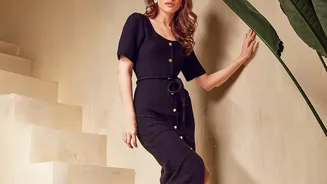
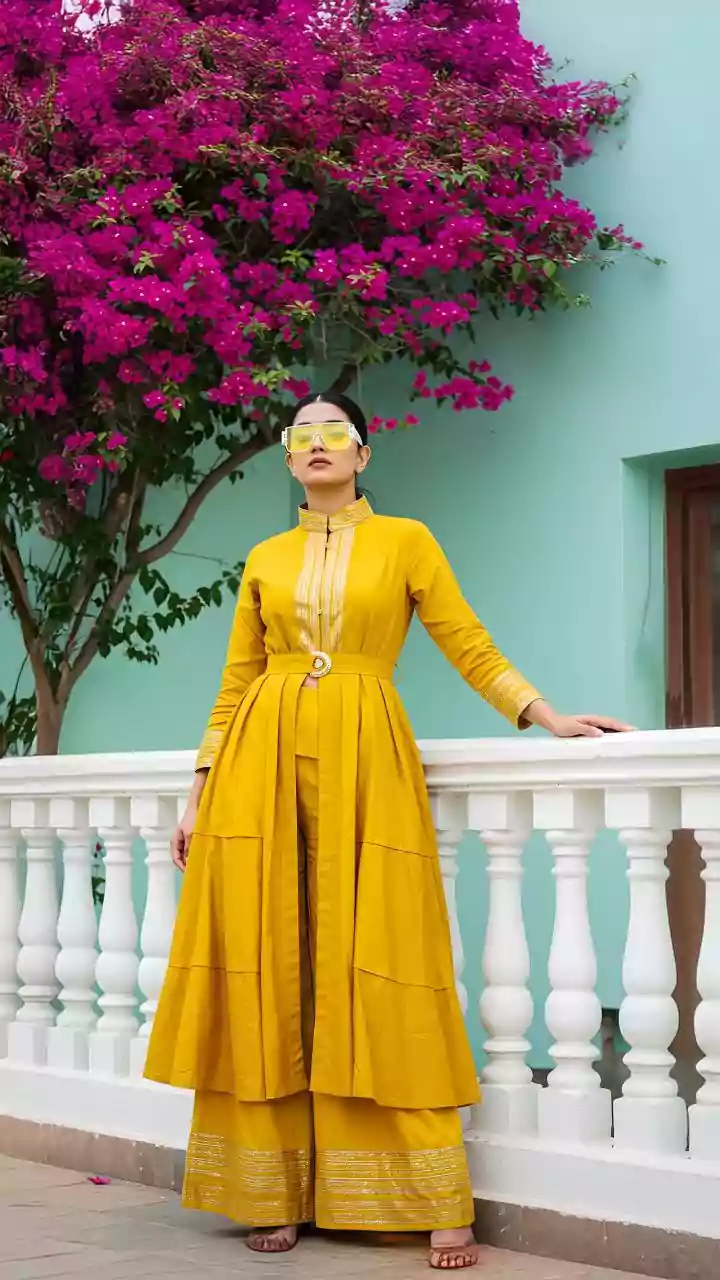
flowy frocks are comfortable and elegant, but they can sometimes hide your figure in excess fabric. This is where a belt works its magic. By cinching a belt at your natural waist—the narrowest part of your torso—you instantly create an hourglass silhouette. For voluminous dresses, a medium-width leather belt provides structure without being overpowering. If the dress is made of a lighter material, like cotton or silk, a skinny belt or even a braided leather style can add definition while maintaining the dress's breezy feel. Gently pull a small amount of fabric over the top of the belt to create a 'bloused' effect for a relaxed yet intentional look.
Define High-Waisted Trousers
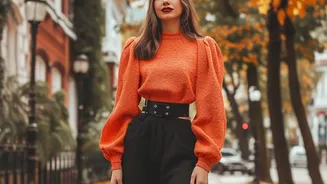
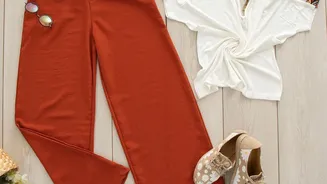
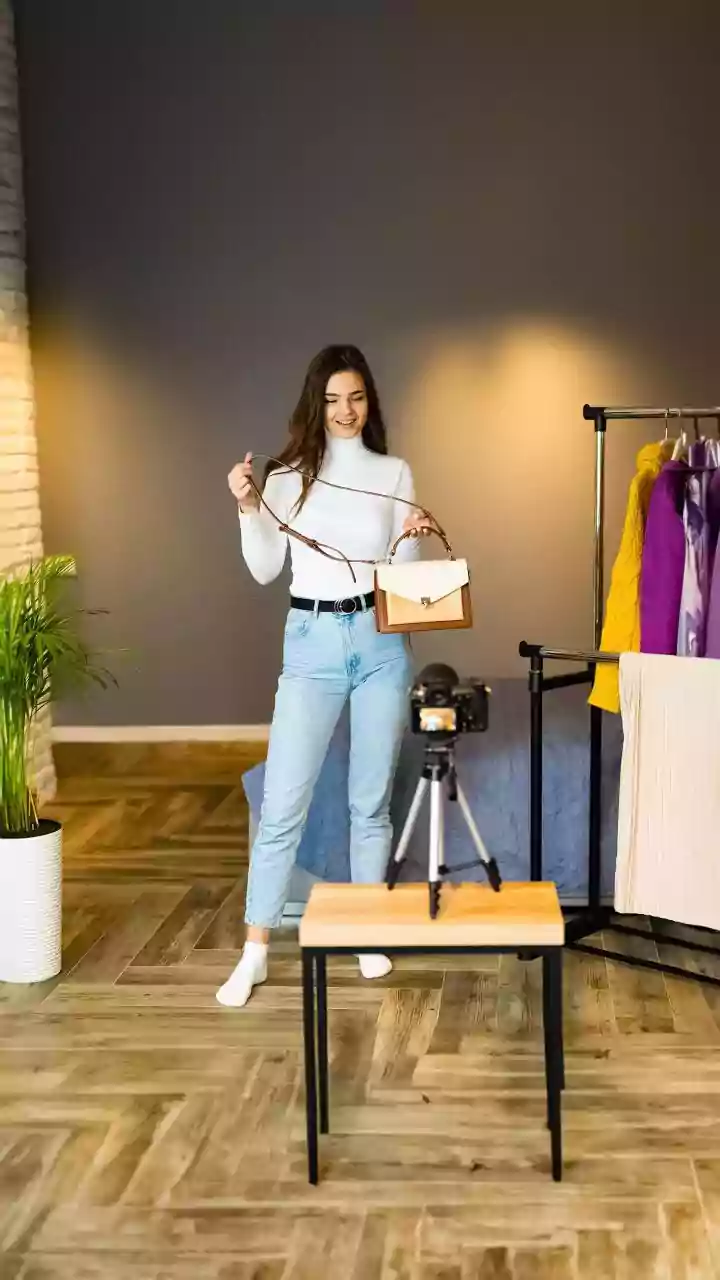
High-waisted trousers are designed to highlight your waist, and a belt completes the look perfectly. Tucking in your top—even just a partial front tuck—is key to showing off the belt. The choice of belt depends on the style of the trousers and the occasion. For tailored, office-appropriate trousers, a slim or medium-width leather belt in a classic colour like black or brown offers a polished finish. With high-waisted jeans, you have more freedom. A statement buckle can add personality, while a simple leather belt keeps it classic and chic. The belt should fit snugly within the belt loops; a skinny belt can look lost in wide loops, while a belt that's too wide can bunch the fabric.
The Statement Buckle as a Focal Point
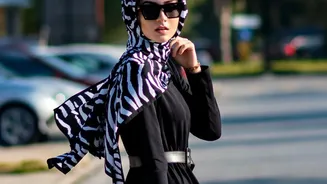
Let your belt be the star of the show. A simple frock or a monochromatic outfit of a top and high-waisted trousers provides the perfect canvas for a belt with a statement buckle. This could be an oversized metal design, a unique geometric shape, or an embellished piece. When wearing a statement buckle, keep other accessories minimal to let the belt draw the eye. This technique works especially well to break up the single colour of a column dress or add a point of interest to a simple jeans-and-t-shirt combination.
Experiment with Width and Placement
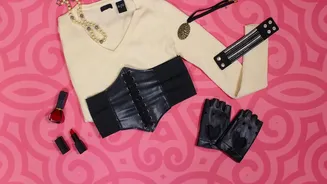
Don't just stick to your natural waist. The placement of your belt can dramatically alter your proportions. Wearing a skinny belt just under the bustline creates a high, empire waist, which can elongate your legs—a great trick for petite figures or with maxi dresses. For a more relaxed, bohemian vibe, try wearing a woven or braided belt slung low on your hips over a straight-cut dress or tunic. The width also matters. As a general rule, wide belts add drama and create curves, making them ideal for structured sweater dresses or column frocks. Skinny belts offer a more subtle definition perfect for delicate fabrics and printed dresses.
Play with Colour and Texture
A belt is a fantastic way to introduce a pop of colour or a new texture to your outfit. With a neutral frock or trousers, a brightly coloured belt can add a fun, unexpected twist. You can also use the belt to tie other elements of your look together, for instance, by matching its colour to your shoes or handbag for a cohesive feel. Don't be afraid to mix materials. A suede belt adds softness to denim, a metallic chain belt brings glamour to an evening dress, and a woven fabric belt lends a casual, summery feel to linen trousers.
Layer Over a Blazer or Cardigan
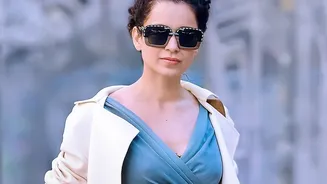
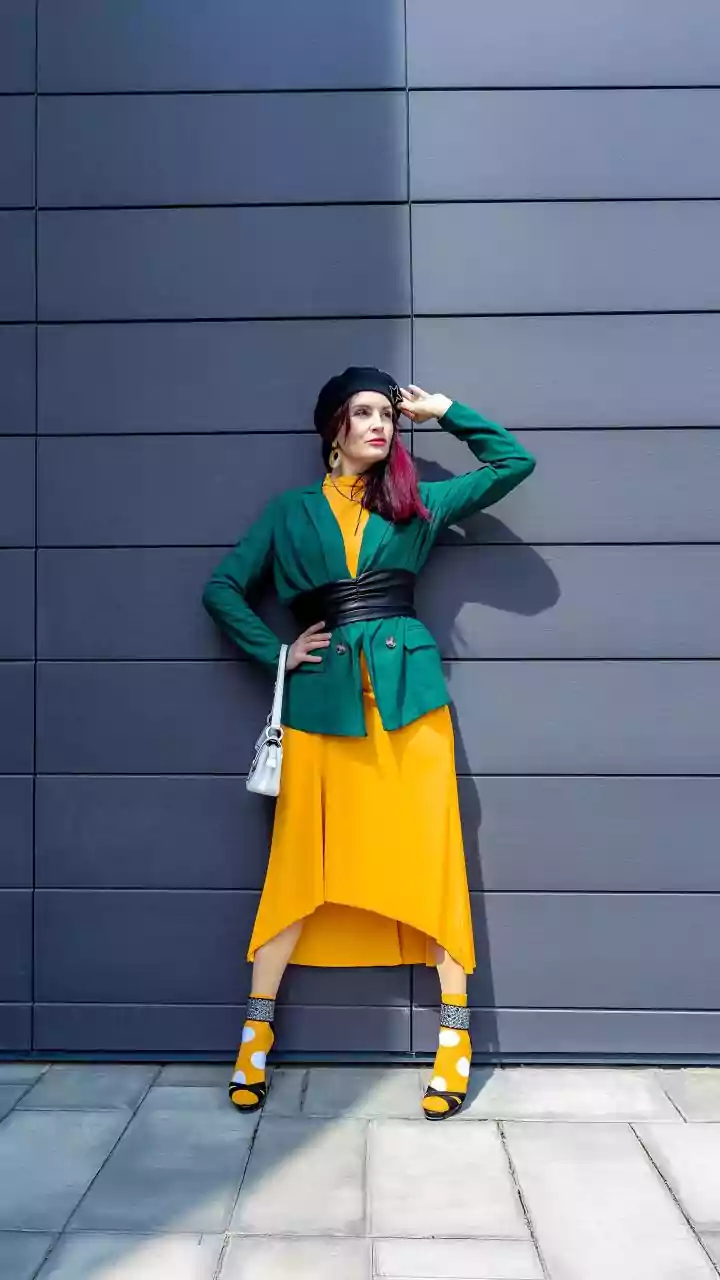
Belting isn't just for the garment underneath. For a modern and chic layering trick, fasten a belt over a blazer, long cardigan, or even a winter coat. This is especially effective with oversized or boxy outerwear, as the belt cinches the fabric at the waist to create a more tailored and feminine shape. When styling with high-waisted trousers, wearing a tucked-in top with a belt and adding an open blazer on top creates a sophisticated, layered silhouette. A medium-width belt often works best for this purpose, as it’s substantial enough to be seen over the thicker fabric of a jacket or knit.