


The Great Monsoon Travel Boom
What was once considered the off-season is now a peak travel period in its own right. The monsoon has emerged as a preferred travel season for Indians, with states like Kerala, Goa, and hill stations in Uttarakhand and Himachal Pradesh seeing a significant
surge in tourists. Reports from July 2026 show hotel bookings are up sharply, with some destinations seeing staggering growth. For instance, Wayanad has seen a 160% booking surge, Alleppey is up by 145%, and even popular spots like Goa are seeing 110% growth. This isn't a summer spillover; it's a structural shift. Travellers are no longer confining trips to just summer or winter holidays, making the monsoon a powerful travel driver. This increased demand, driven by a desire for nature-led getaways and experience-focused trips, is putting unprecedented pressure on availability.
The Price and Availability Paradox
With this boom comes the central trade-off. High demand means popular destinations are often fully booked weeks in advance, especially for weekend dates. This scarcity drives up prices for the few available spots, a trend seen across flights and hotels. Hospitality groups confirm that July bookings are pacing well ahead of previous years, and this momentum allows them to hold firm on pricing. While the monsoon used to be synonymous with off-season discounts of 30-50%, this is no longer a guarantee, especially in the most sought-after locations. The new reality is that last-minute weekend travellers are faced with a stark choice: pay a significant premium for a popular spot, or compromise on the destination altogether.
Destinations Feeling the Squeeze
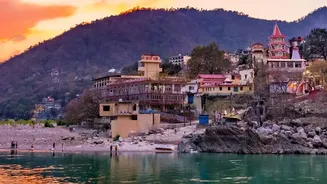
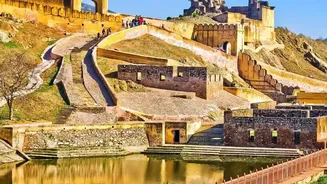
The surge is most visible in classic monsoon destinations. Hill stations are major winners, with Rishikesh and Mussoorie climbing sharply in search rankings, showing growth of over 200% and 160% respectively. Southern destinations like Wayanad, Kodaikanal, Ooty, and Coorg are also seeing booking numbers explode. This trend isn't just confined to hills and backwaters. Heritage locations like Udaipur and Jaipur continue to draw crowds, and even the Northeast, with destinations like Shillong and Guwahati, is seeing flight and hotel bookings rise. While this is a boon for local economies, for the weekend traveller, it means that even traditionally accessible places like Lonavala or Mahabaleshwar now require more advance planning than ever before.
Smart Strategies for Your Monsoon Getaway
Navigating this new landscape doesn't mean you have to cancel your plans. It just requires a smarter approach. The most effective strategy is to book well in advance, even for short weekend trips. Flexibility is also key; travelling on a weekday instead of a Friday can yield significant savings on both flights and accommodation. Consider exploring offbeat destinations that haven't yet reached peak popularity. Instead of the crowded main hill stations, look for quieter alternatives in the lower foothills or explore the lush green countryside of the Konkan coast. Finally, keep an eye out for package deals from travel companies, which sometimes offer a better all-in value proposition than booking flights and hotels separately, especially during sales events.
Is a Spontaneous Trip Still Possible?
The romance of a spontaneous, unplanned road trip on a rainy weekend is not entirely dead, but it has become a luxury. If you decide to travel last-minute, be prepared for the reality of the market. You may need to be flexible with your destination, potentially driving further to a less crowded area. Your accommodation choices might be limited to what's available, which may not be your first preference or within your ideal budget. For those whose hearts are set on a specific popular resort, a last-minute plan will almost certainly come at a premium cost. The new rule for monsoon travel seems to be: you can have a low price, a prime destination, or a last-minute plan — but it is increasingly difficult to have all three.