





Tyres: Your First Line of Defence
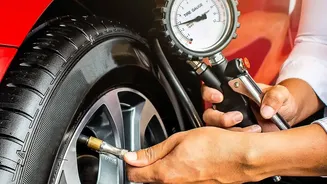
Your car's only connection to the slippery road is its tyres, making them the most critical safety component in the rain. Before you set off, inspect them thoroughly. Check the tread depth; for monsoon driving, a depth of at least 3mm is recommended to effectively
channel water away and prevent aquaplaning. You can use a one-rupee coin; if the top of the Ashoka Pillar is visible when inserted into the tread, it's time for new tyres. Also, ensure the tyre pressure is at the manufacturer-recommended level, which can be found on a sticker inside the driver's door. Incorrect pressure affects braking, handling, and the risk of hydroplaning. Don't forget to check the spare tyre's pressure and condition as well.
Wipers and Windshield: See and Be Seen
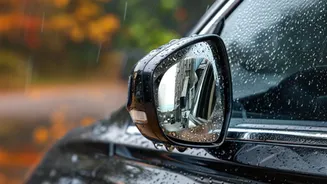
Visibility is severely reduced in a downpour, and your wipers are crucial. Test them before your trip; they should clear the windshield smoothly without leaving streaks, skipping, or making squeaking noises. If you notice any of these issues, replace the wiper blades. It's an inexpensive fix that is priceless in heavy rain. Top up your windshield washer fluid reservoir with a proper cleaning solution, not just plain water, as it helps remove oily grime kicked up from the road. For an extra layer of safety, consider applying a rain-repellent treatment to the exterior of the windscreen, which helps water bead up and roll off, improving visibility.
Brakes and Fluids: Stopping Power Matters
Wet roads significantly increase your car's stopping distance—sometimes by two or three times. This makes having your braking system in top condition non-negotiable. If you hear any unusual noises like squealing or grinding, or if the brake pedal feels spongy, get it inspected by a professional immediately. It's also wise to check all your vehicle's essential fluids. This includes engine oil, coolant, and especially brake fluid. Maintaining correct fluid levels is a fundamental part of preventing mechanical issues during a long drive.
Lights and Electricals: Shine Bright
In the grey, dim conditions of a monsoon day, your car's lights are essential for you to see the road and for other drivers to see you. Before your trip, do a complete check of all lights: headlights, taillights, brake lights, and turn signals. Replace any faulty bulbs and clean cloudy or yellowed headlamp lenses to ensure they are as bright as possible. The monsoon also puts extra strain on your car's battery due to the increased use of wipers, lights, and the air conditioner for defogging. Check the battery terminals for corrosion and ensure all connections are secure.
Interior and AC: Stay Dry and Fog-Free
A common problem during the monsoon is the windshield fogging up from the inside due to high humidity. Your car's air conditioning system is the best tool to combat this. Before you leave, test the AC and the defogger/demister settings to ensure they are working effectively to clear the windscreen. Also, check the rubber seals around your doors and windows for any cracks or gaps that could let water leak into the cabin, leading to dampness and mould. Using rubber or 3D floor mats can also help contain water and mud from wet shoes, protecting your car's carpeting.
Pack a Monsoon Emergency Kit
Even with perfect preparation, the unexpected can happen. A well-stocked emergency kit can be a lifesaver if you get stranded. Your kit should include a few essential items for the rainy season. Pack a tow rope, jumper cables, and a basic toolkit. A tyre inflator and a puncture repair kit are also highly recommended. Add a powerful flashlight with extra batteries, a first-aid kit, an umbrella, and a towel. Keeping some non-perishable snacks and water is also a good idea for any long road trip, especially during unpredictable weather.