








The Allure of Over-Engineering
Modern luggage is a tech arms race. Brands compete to cram in features like GPS tracking, built-in weight scales, solar chargers, and remote locking systems. On paper, it sounds fantastic. Who wouldn’t want a suitcase that can charge their phone and weigh itself?
The marketing sells a vision of effortless, optimised travel, where every potential inconvenience has been pre-solved by a gadget. This appeals to our desire for control in the often-chaotic environment of travel. We buy these features believing they will reduce stress, but the reality is often the opposite. This tech-heavy approach treats travel like a problem to be solved with engineering, rather than an experience to be embraced.
When 'Features' Become Failures
The problem with adding complexity is that you also add potential points of failure. A built-in battery is great until it dies and you have no way to charge it, or worse, airline regulations force you to remove it at the gate. A digital lock is slick until it glitches, leaving you locked out of your own bag. Each feature adds weight, reducing the amount you can pack. These 'smart' components are often the first things to break, turning your expensive investment into a heavy, clunky box with a useless USB port. Instead of simplifying your journey, you end up managing your luggage’s needs—worrying about battery levels and fragile electronics—which is the very friction you were trying to avoid.
The Unbeatable Case for Simplicity
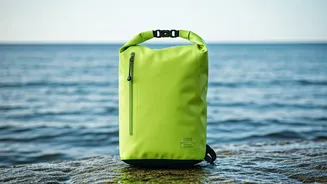
Now, consider the humble backpack. A basic, lightweight, waterproof backpack has one job: to hold your stuff securely and comfortably. It has no battery to die, no app to crash, and no delicate electronics to break. Its beauty lies in its lack of features. A high-quality backpack is built for durability, with strong zippers, resilient fabric, and comfortable straps designed to withstand real-world use. It’s a tool, not a gadget. Its simplicity forces you to focus on what truly matters: what you’re packing, not what your bag can do. This minimalist approach is liberating. There’s nothing to manage, nothing to update, and nothing to worry about breaking.
Freedom in a Single Bag
The true advantage of a backpack goes beyond durability; it’s about freedom of movement. A backpack goes wherever you go. You can navigate crowded train stations in Mumbai, run to catch a bus in the hills of Himachal, or climb the stairs to a walk-up apartment in a European city without a second thought. Wheeled luggage, by contrast, tethers you to smooth surfaces. Cobblestones, stairs, and unpaved roads become frustrating obstacles. A backpack also encourages minimalist packing. Its limited space forces you to be ruthless about what you bring, freeing you from the burden of too much stuff. This ‘one bag’ travel philosophy isn’t about deprivation; it’s about agility, spontaneity, and experiencing a place without being weighed down.
What to Look for in a 'Basic' Backpack
Choosing the right backpack doesn’t mean getting the cheapest one. ‘Basic’ refers to its function, not its quality. Look for a bag made from durable, waterproof or highly water-resistant materials like Cordura fabric or X-Pac. This protects your belongings from unexpected downpours. Pay close attention to the zippers; YKK is the industry standard for a reason. They should be sturdy and, if possible, water-resistant. Most importantly, try the backpack on. The harness system, including the shoulder straps and hip belt (on larger packs), should be comfortable and transfer weight effectively. Avoid bags with too many unnecessary pockets and compartments, which just add weight and make it harder to find things. A simple, large main compartment with one or two smaller external pockets is often the most practical design.