





From Hours of Searching to Instant Inspiration
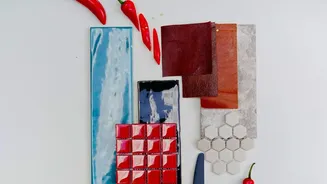
Traditionally, creating a mood board is a meticulous process. It involves hours spent scouring Pinterest, design blogs, and stock photo sites for the perfect images, textures, colour palettes, and typographic examples. You then manually arrange these
assets into a cohesive collage that captures the essence of a project. For a freelancer, this time is significant — it's often unbilled or bundled into the initial project fee. Generative AI flips this dynamic on its head. Tools like Midjourney, Adobe Firefly, and others allow a designer to simply type a text prompt, such as “a brand identity for a sustainable coffee shop with a minimalist, earthy, and warm aesthetic,” and receive a fully-formed visual board in seconds. This isn't about replacing the designer; it’s about compressing a day's worth of ideation into a coffee break, providing a powerful starting point for the creative journey.
The Freelancer's Competitive Edge
The primary benefit for freelance designers is a dramatic increase in efficiency. What once took half a day can now be done in under an hour, freeing up valuable time to focus on higher-value tasks like strategy, client communication, and final execution. This speed allows freelancers to present multiple distinct visual directions to a client early in the process, securing buy-in and reducing the number of revision cycles later. By quickly generating concepts, a designer can overcome creative block, explore unconventional ideas they might not have considered, and demonstrate a forward-thinking approach. For clients, this translates to faster turnarounds and a clearer understanding of the proposed vision from the very beginning, strengthening the client-designer relationship.
The Human Touch Still Reigns Supreme
Despite the power of these tools, experts and designers agree that AI is a collaborator, not a replacement. A raw AI-generated mood board often lacks the strategic thinking, nuance, and personal touch that a professional designer brings. The real skill lies in crafting effective prompts, curating the best results, and then editing and augmenting the AI's output with a unique vision. This hybrid workflow—using AI for initial brainstorming and then applying human taste and expertise to refine the concept—is where the magic happens. The most successful freelancers are not just letting the AI do the work; they are directing it, using it as an incredibly fast and versatile assistant to amplify their own creativity.
Navigating the Pitfalls and Ethical Questions
The rise of generative AI for mood boarding is not without its challenges. One major concern is the potential for visual homogeneity, where reliance on the same tools could lead to similar-looking design trends. More importantly, there are significant legal gray areas. Under current U.S. law, purely AI-generated images generally cannot be copyrighted because they lack human authorship. This means a competitor could potentially copy a design direction without legal recourse. Furthermore, the datasets these AI models are trained on can contain copyrighted material, creating a risk of unintentional infringement. For client work, the consensus is to use AI-generated mood boards as an internal brainstorming tool and to be transparent about their use, rather than presenting the output as final, ownable creative work.
The Future of Freelance Creativity
The integration of AI into the design process is not a passing trend. As these tools become more sophisticated and integrated into major platforms like Adobe and Canva, they will become a standard part of the creative toolkit. The freelance designers who will thrive are those who embrace this change strategically. They will learn to master the art of the prompt, develop a keen eye for curating AI output, and focus on the aspects of their job that a machine cannot replicate: building client relationships, understanding business goals, and infusing a project with a unique, human-centric story. AI is handling the 'what,' but the designer's value will increasingly be found in the 'why.'